A patchy beard can be more frustrating than most people admit. You trim around the sparse spots, try growth oils, switch grooming routines, and still end up styling around what simply is not there. If you are asking is beard transplant worth it, the real answer depends on why your beard is thin, what result you expect, and whether you are prepared for a medical procedure rather than a quick cosmetic fix.
For the right candidate, a beard transplant can be absolutely worth it. It can create fuller coverage, improve beard shape, restore hair to scarred areas, and produce natural-looking, permanent growth. But it is not the right choice for everyone, and it should never be approached as an impulse treatment.
Is beard transplant worth it for most patients?
A beard transplant is usually worth it when the concern is stable and specific. That may mean naturally sparse facial hair, uneven growth, missing areas from scarring, or a beard pattern that never developed the way you wanted. In those cases, transplanting healthy hair follicles into the beard area can make a visible, lasting difference.
It tends to be less worthwhile if expectations are unrealistic. Some patients want very dense coverage in a single session even when the donor area is limited. Others expect transplanted hair to behave exactly like native beard hair immediately. In reality, growth takes time, density builds gradually, and careful planning matters as much as the procedure itself.
The value of the treatment also depends on how much your beard concern affects your confidence. For some men, beard density is a minor grooming issue. For others, it changes how they feel in professional settings, photos, and everyday social life. When the concern is persistent and meaningful, a well-executed transplant often feels worthwhile beyond the cosmetic result alone.
What a beard transplant actually does
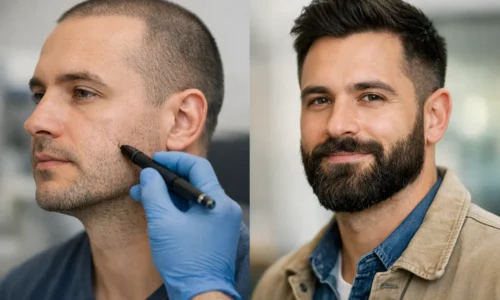
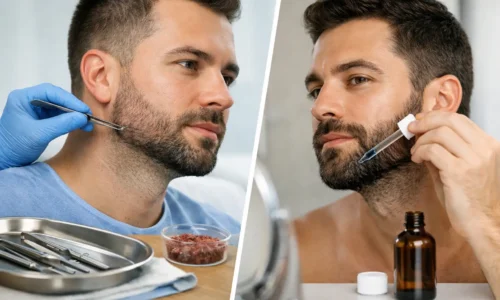
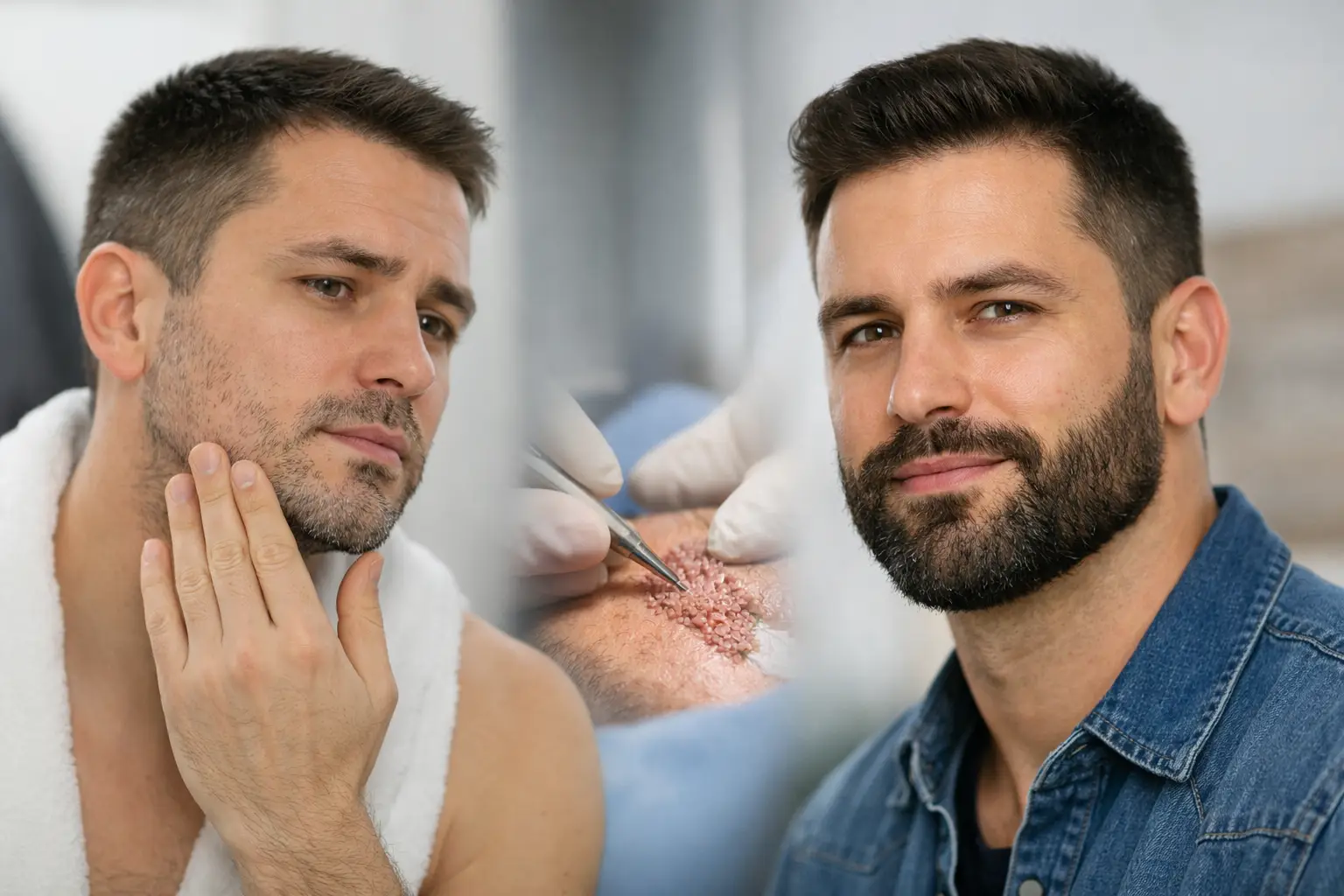
A beard transplant typically uses hair follicles taken from the scalp, often from the back of the head, and places them into areas of the beard that need more density or definition. The most common method is FUE, which extracts and implants individual follicles with precision.
This is not just about adding random hairs. The direction, angle, spacing, and distribution all need to match natural beard growth. Beard hair is highly visible, especially along the cheeks, jawline, mustache, and goatee. If grafts are placed poorly, the result can look unnatural even if the hair survives well.
When performed properly, the goal is a beard that looks believable both up close and at normal social distance. That includes natural transitions, appropriate density, and a shape that suits the patient’s face rather than following a generic trend.
The benefits that make it worth considering
The strongest reason patients choose a beard transplant is permanence. Unlike concealers, beard fillers, or temporary styling tricks, transplanted follicles are intended to keep growing long term. Once the result matures, you can shave, trim, and groom your beard like normal.
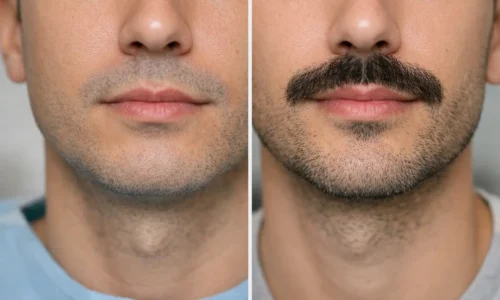
Another major benefit is customization. Some patients want full cheek coverage. Others only want to strengthen the mustache, connect the beard, fill a sideburn gap, or soften the look of a scar. A transplant can be designed around your face and your goals instead of forcing one standard result.
For patients who have tried non-surgical options without success, this can also be the first treatment that offers a meaningful structural change. Products can sometimes improve hair quality, but they cannot create follicles where there are none.
There is also the confidence factor. A fuller beard will not change your life overnight, but it can remove a daily frustration that has been present for years. That matters more than many people expect.
The trade-offs patients should understand
A beard transplant is still a procedure, not a grooming service. You need local anesthesia, donor harvesting, implantation, recovery time, and patience while the hair cycles through shedding and regrowth. If you want instant results with no downtime, this will feel disappointing.
Cost is another factor. Beard transplantation is a specialized treatment, and pricing reflects the level of planning, technical skill, and aftercare involved. Whether it feels worth the price depends on the number of grafts needed, the quality of the clinic, and how important the outcome is to you.
There is also a donor area trade-off. The hair has to come from somewhere, and your surgeon must manage that resource carefully. If you may want future scalp hair restoration, donor planning becomes even more important.
One more consideration is texture. Since the transplanted hair usually comes from the scalp, it may not match native beard hair perfectly at first. In many cases, it blends well over time, especially with proper graft selection and placement, but this is one of the reasons surgeon experience matters.
Who gets the best results?
The best candidates usually have a healthy donor area, stable hair growth patterns, and clear goals. They understand that a beard transplant improves density and shape, but it does not create perfection. They are also willing to follow aftercare instructions and give the process time.
Patients with patchy growth due to genetics often do very well. So do patients with small scars or missing sections from injury, acne scars, or previous procedures. Those seeking refinement rather than an extreme transformation are often the happiest, because the plan is built around facial balance and realism.
If your hair loss is due to an active medical condition, evaluation comes first. In some cases, the underlying issue should be treated before surgery. A proper consultation should look at skin health, hair quality, donor capacity, and whether your expectations match what can actually be achieved.
Is beard transplant worth it compared with alternatives?
That depends on what alternative you mean. If you are comparing it with beard oils, serums, or grooming products, a transplant offers something those products cannot: new follicle placement. If your issue is true absence of hair in certain areas, topical products are unlikely to produce the same result.
If you are comparing it with medications, the answer is more nuanced. Some patients may see improvement with medical therapy if the follicles are miniaturized rather than absent. But medication does not guarantee shape control or targeted density where hair never grew properly.
If your concern is mild, careful grooming may be enough. A skilled barber can improve appearance significantly by adjusting lines, length, and balance. But if you are still compensating for the same gaps year after year, a transplant may be the more satisfying long-term solution.
Recovery and timeline
One reason people hesitate is recovery. The good news is that beard transplant recovery is usually manageable, but it does require discipline. Mild redness, swelling, and tiny crusts in the treated area are common early on. Most patients can return to normal routines fairly quickly, though visible healing varies.
The more difficult part is patience. Newly transplanted hairs often shed before growing again, which is a normal part of the process. Early growth can look uneven. Real improvement develops gradually over the following months, and final maturation takes longer than many patients expect.
That does not mean the procedure failed. It means hair growth follows a biological timeline, not a social media timeline.
How to decide if it is worth it for you
Ask yourself three practical questions. First, does your beard concern bother you enough that you would value a permanent fix? Second, are your expectations realistic about density, recovery, and timeline? Third, are you choosing a clinic based on medical skill and natural-looking outcomes rather than price alone?
If the answer to all three is yes, there is a strong chance the treatment will feel worthwhile. If you are unsure about any of them, that is not a reason to rush. It is a reason to get a proper consultation and make the decision with clear information.
A quality consultation should not pressure you. It should explain graft estimates, likely coverage, donor considerations, healing, and what kind of beard design suits your face. At A H T Aesthetic Medical Center, that planning stage is where the result really begins, because natural outcomes come from precision and personalization, not guesswork.
The honest answer to is beard transplant worth it
Yes, a beard transplant is worth it for many patients, especially when patchy growth has been a long-term source of frustration and the procedure is performed by an experienced medical team. The result can be natural, lasting, and genuinely confidence-building.
But it is only worth it when the plan is right for your face, your donor supply, and your goals. The best decision is not the fastest one. It is the one made with realistic expectations, expert guidance, and a clear understanding of what good results actually look like.
If you have spent years trying to work around beard gaps, there is real value in finding out what is medically possible. Sometimes the most reassuring next step is simply a professional assessment that tells you, honestly, whether this treatment makes sense for you.