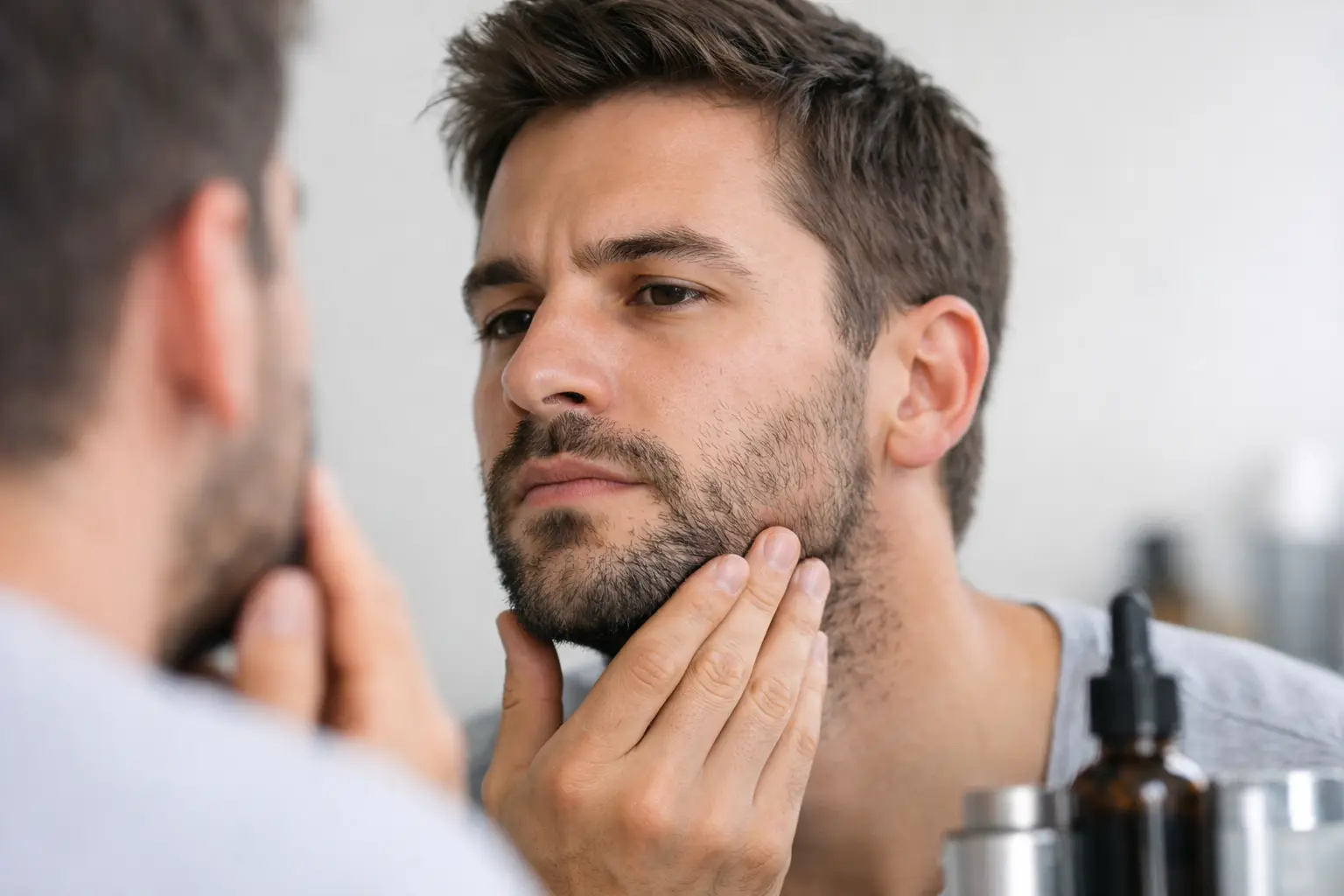
A beard that grows thick on the jawline but leaves bare spots on the cheeks can feel frustrating fast. If you are searching for how to fix patchy beard concerns, the first thing to know is this: patchiness is common, and the right solution depends on why it is happening in the first place.
For some men, the issue is simply genetics and beard density. For others, patchy growth can be linked to age, hormone shifts, skin inflammation, stress, or hair loss patterns that affect facial hair just as much as scalp hair. That is why quick online advice often falls short. A beard can look sparse for very different reasons, and the most effective treatment starts with an accurate assessment.
Why beards become patchy
Patchy beards are not always a sign that something is wrong. In many cases, beard follicles are present but grow at different speeds and densities. A man in his late 20s may still see changes in facial hair coverage compared with what he had at 21. Time alone can improve the appearance of some areas.
Genetics also play a major role. If fuller beard coverage does not run in your family, there may be a natural limit to how dense your growth becomes without treatment. This does not mean improvement is impossible, but it does mean expectations should stay realistic.
Sometimes the problem is less about follicle number and more about hair quality. Coarse, dark facial hair tends to create a fuller look than fine or lighter hair. Two men with a similar number of follicles can have very different beard appearance because texture and thickness affect coverage.
There are also medical factors to consider. Hormonal imbalance, nutritional deficiencies, alopecia areata, chronic skin irritation, and scarring from acne or injury can all contribute to uneven growth. If patchiness appears suddenly, worsens quickly, or comes with itching, redness, or circular bald spots, a medical evaluation is the smarter next step.
How to fix patchy beard without jumping to treatment
Not every patchy beard needs a procedure. In some cases, better grooming and a more patient approach make a noticeable difference.
The first mistake many men make is trimming too early. Beard hair grows in unevenly at first, and sparse areas can look more obvious in the first two to three weeks. Letting the beard grow for at least four to six weeks often gives surrounding hairs enough length to improve overall coverage.
Shaping also matters. A beard that is cut too short or too high on the cheeks can make thin zones stand out more. A better beard design can reduce contrast and create a stronger outline. This is less about hiding the problem and more about working with your growth pattern rather than against it.
Skin health plays a part too. Inflamed, dry, or congested skin can interfere with healthy hair growth. Gentle cleansing, regular exfoliation, and moisturizing the beard area can support the environment around the follicles. These steps will not create new follicles, but they can help existing ones perform better.
Lifestyle factors deserve attention as well. High stress, poor sleep, crash dieting, and low protein intake can affect the hair growth cycle. Facial hair is not completely separate from overall health. If your body is under strain, your beard can reflect it.
What actually works for patchy beard growth
When home care is not enough, the next question is what works beyond beard oils and styling tricks. This is where honest expectations matter.
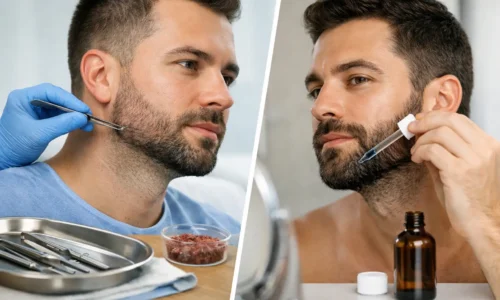
Beard oils can soften the hair, reduce dryness, and make the beard look healthier. They do not create new follicles in empty areas. The same goes for most over-the-counter beard growth products that promise dramatic transformation. Some improve appearance, but many oversell what they can realistically do.
Topical growth stimulants may help in certain cases, especially when follicles are present but underperforming. Results vary, and not every patient is a good candidate. Some men see improved density over time, while others get minimal change or irritation. That is why medical guidance is worth considering before spending months on trial and error.
Regenerative treatments such as PRP may also be discussed when beard hair appears thin or weak rather than completely absent. These treatments aim to support follicle activity and improve hair quality, but they work best in the right candidate. They are not a one-size-fits-all fix for every empty patch.
If the area has little to no active follicle growth, a transplant may provide the most reliable path to visible improvement.
How to fix patchy beard with a beard transplant
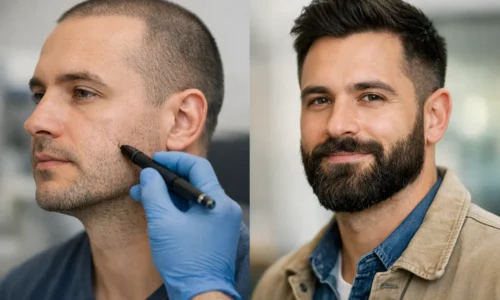
For men with persistent gaps, beard transplant surgery is often the most definitive solution. This treatment moves healthy hair follicles, usually from the scalp donor area, into sparse parts of the beard with careful attention to angle, direction, density, and facial symmetry.
The detail matters. Beard hair does not just need to grow – it needs to grow naturally. If graft placement is too upright, too dense in the wrong zone, or inconsistent with the natural beard pattern, the result can look obvious. A well-planned beard transplant focuses on natural-looking coverage, not just filling space.
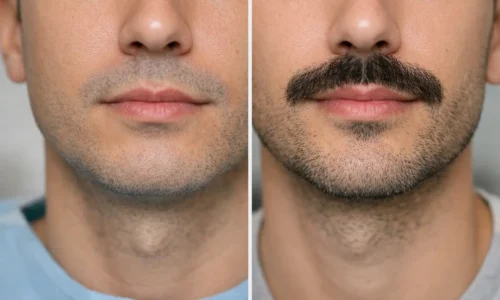
This option is especially useful for men who have genetic patchiness, scar-related gaps, or areas that never developed proper density. It can also help patients who want stronger definition in the cheeks, jawline, sideburns, or mustache.
Recovery is usually manageable, but there are trade-offs. A transplant is a medical procedure, so it requires planning, healing time, and realistic expectations about final growth. New hairs do not appear fully overnight. The transplanted follicles settle in first, then begin growing over the following months.
That delayed payoff is worth understanding. If you need an immediate cosmetic change for an event next month, grooming adjustments may help more in the short term. If you want long-term improvement in beard density, a transplant may be the more effective investment.
When patchiness may be a medical issue
Some beard concerns should not be treated as purely cosmetic. Sudden beard thinning, sharply defined bald circles, scaling, pain, or inflammation can point to an underlying condition that needs diagnosis first.
Alopecia areata is one example. It can cause smooth, round bald patches in the beard and may require medical treatment rather than cosmetic enhancement alone. Fungal infections, dermatitis, and folliculitis can also affect beard growth and should be addressed before considering procedures.
Scarring is another category that needs a tailored approach. Acne scars, burns, or prior injuries can limit natural growth because the skin structure has changed. In these situations, treatment planning must take both the skin condition and the desired beard design into account.
This is where specialist evaluation becomes valuable. A proper consultation can help determine whether the goal should be stimulation, restoration, or transplantation.
How to choose the right solution for your beard
The best answer to how to fix patchy beard growth is not the same for every patient. If your beard is still developing and the patchiness is mild, time, grooming strategy, and skin care may be enough. If you have thinning rather than complete absence of hair, medical therapies may be worth exploring. If there are true gaps with little natural growth, a beard transplant may offer the clearest path to a fuller result.
The key is matching the treatment to the cause. That sounds simple, but it is where many men waste time and money. They try products designed to condition the beard when the real issue is a lack of follicles. Or they assume they need surgery when a treatable skin or hair health issue is contributing to the problem.
A specialist clinic can evaluate beard density, donor hair availability, skin quality, and your goals before recommending a plan. At A H T Aesthetic Medical Center, that kind of personalized approach matters because a natural result depends on more than just adding hair. It depends on choosing the right method, designing the beard carefully, and treating the face with the same precision used in advanced hair restoration.
If your beard has been bothering you for a while, do not write it off as something you just have to live with. Patchiness can often be improved, but the right next step depends on whether you need patience, treatment, or a more permanent restoration plan. A fuller beard starts with a clear diagnosis and a solution that fits your face, your hair pattern, and your expectations.