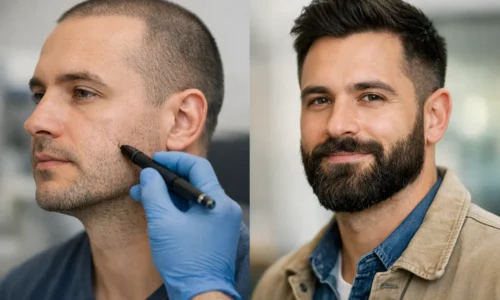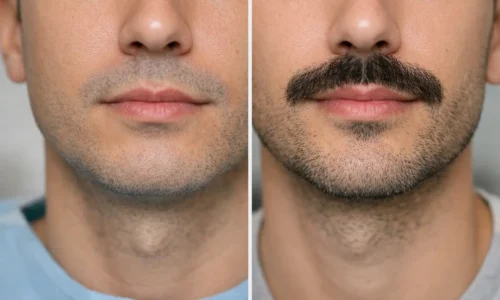
A patchy beard can be frustrating because it rarely stays hidden. You see it in the mirror, on video calls, and in photos from every angle. When deciding between a beard transplant or minoxidil, the right choice comes down to the cause of your sparse growth, the result you want, and how much time you are willing to invest. One option can support existing follicles. The other can strategically add permanent hair where follicles are missing.
Neither treatment is automatically better. A thoughtful decision starts with realistic expectations, an assessment of your facial-hair pattern, and a medical conversation about what your donor hair and skin can support.
What Each Treatment Is Designed to Do
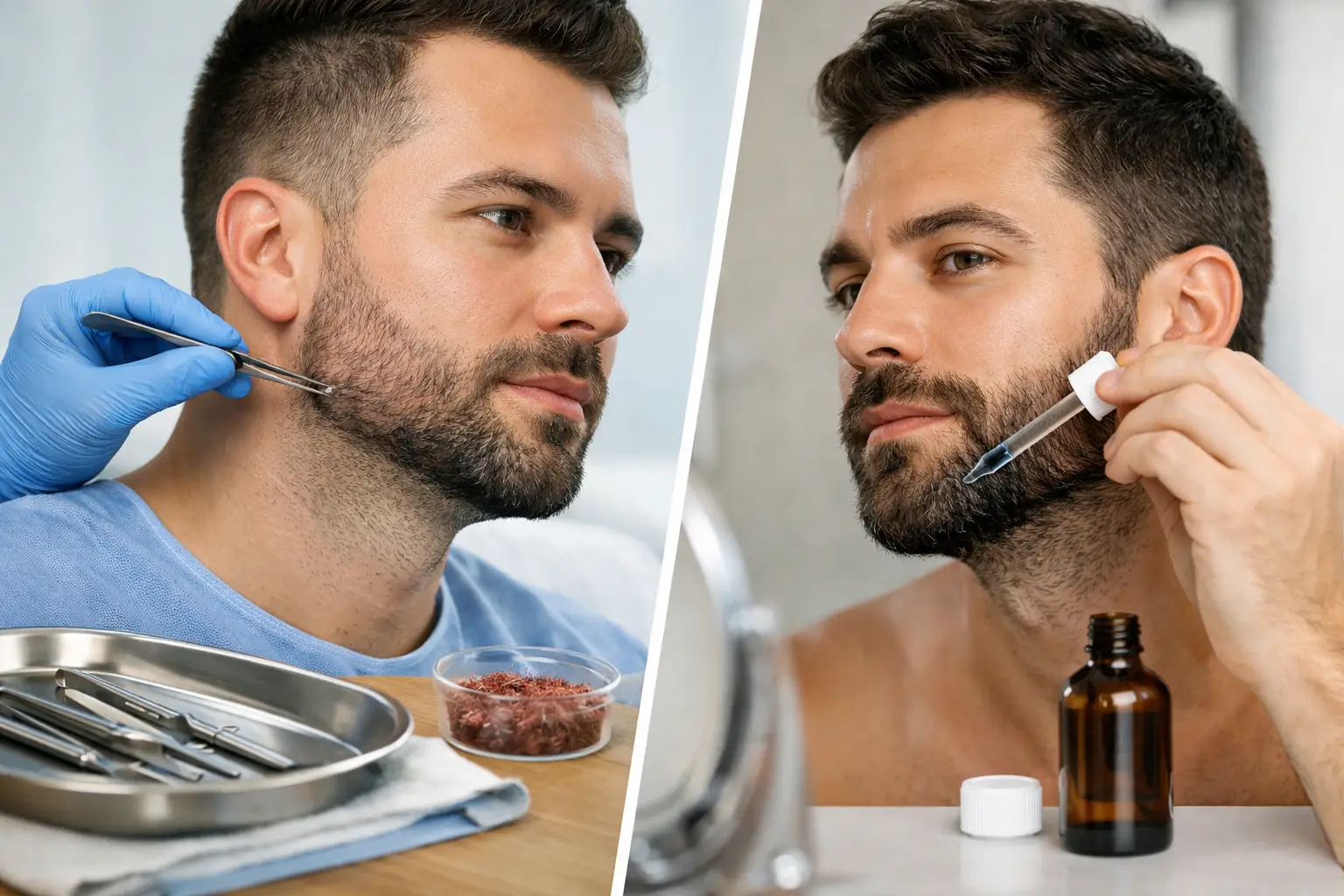
Minoxidil is a topical medication commonly used to encourage hair growth. While it is widely recognized for scalp hair loss, using it on the beard area is generally considered off-label. Some men apply it to areas with thin, uneven, or slow-growing facial hair in the hope of stimulating finer hairs and helping some of them mature over time.
Its appeal is understandable. Minoxidil is non-surgical, relatively accessible, and can be used at home. However, it requires consistency. Most people who respond need months of regular application before they can judge whether meaningful change is happening. Results vary significantly based on genetics, age, follicle activity, and the original density of the beard.
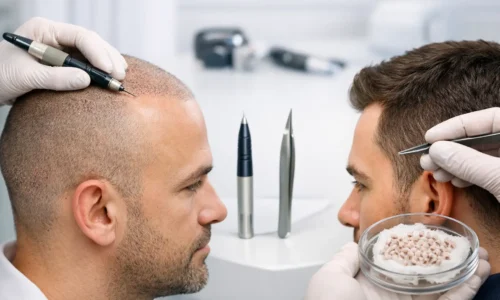
A beard transplant is a surgical procedure that moves healthy hair follicles, usually from the scalp, into the beard, mustache, sideburn, or goatee area. Using follicular unit extraction, or FUE, a surgeon harvests individual grafts and places them according to the planned beard shape, direction, angle, and density.
The central distinction is simple: minoxidil works with follicles you already have, while transplantation places new, living follicles into selected areas. Once transplanted hairs establish growth, they are intended to provide a long-lasting solution. They can be trimmed, shaved, and styled like natural facial hair.
Beard Transplant or Minoxidil: Start With Your Goal
If your main concern is mild thinness and you already have visible hair across the beard area, minoxidil may be a reasonable conservative starting point under medical guidance. It can suit someone who is patient, comfortable with a daily routine, and open to the possibility that changes may be gradual or limited.
If you have clearly defined gaps, scarring, minimal growth in specific zones, or a beard pattern that has remained sparse for years, a transplant may offer a more predictable path to coverage. It is also often preferred by patients who want to reshape a beard line, strengthen a weak mustache, fill disconnected cheeks, or create better balance around the jaw.
The choice is not always either-or. In certain cases, a specialist may recommend improving skin and scalp health, addressing underlying hair-loss concerns, or using medical therapy before or after a transplant. The plan should serve the result, not force you into a single treatment category.
Consider the timeline honestly
Minoxidil demands daily or near-daily commitment over an extended period. Initial shedding, irritation, or no visible response can be discouraging. If it is effective, improvement typically develops slowly, and ongoing use may be needed to maintain benefits for many users.
A beard transplant involves a more concentrated process. The procedure itself is completed in a clinical setting, followed by a recovery period in which small scabs and temporary redness are expected. Transplanted hairs may shed during the early healing phase before new growth begins. Noticeable growth often starts after several months, while fuller maturation can take close to a year.
For patients who want a permanent-looking design and are prepared for surgery and recovery, waiting through the transplant growth cycle can be worthwhile. For those who want to avoid a procedure and can accept uncertainty, minoxidil may feel like the lower-commitment first step.
When Minoxidil May Be the Better First Move
Minoxidil is not a shortcut, but it can make sense in the right setting. A younger patient whose beard is still naturally developing may benefit from allowing time for maturation before considering surgery. The same applies to someone with diffuse, modest thinning rather than sharply empty areas.
It may also be an appropriate trial for patients who are unsure whether they want a permanent beard style. Facial-hair trends and personal preferences change. Trying a fuller look through grooming, styling, and medically guided topical treatment can help clarify whether a permanent design feels right.
That said, do not assume more product means better results. Applying excessive amounts can increase the chance of unwanted effects without improving outcomes. Skin dryness, flaking, itching, redness, and unwanted hair growth outside the intended area can occur. Rarely, some people experience systemic symptoms such as dizziness, rapid heartbeat, or swelling. Stop use and seek medical advice promptly if these occur.
Minoxidil should also not replace an evaluation when hair loss is sudden, accompanied by skin changes, or occurring in circular patches. Conditions such as alopecia areata, inflammation, nutritional deficiencies, and hormonal factors need appropriate diagnosis rather than guesswork.
What Makes a Beard Transplant Different
A well-planned beard transplant is more than moving hair from one location to another. Facial hair grows at highly specific angles. Cheek hair, jawline hair, mustache hair, and goatee hair do not all point in the same direction. Grafts must be placed carefully so the beard looks natural at close range, not simply dense in a front-facing photo.
During consultation, the surgeon evaluates donor-hair availability, hair caliber, skin quality, facial proportions, and the density needed to create the intended look. A person with strong donor density may be able to achieve broad coverage in one session. Someone with limited donor supply may need a more conservative plan that prioritizes the most visible areas.
A transplant is particularly valuable for scars, burns, previous injuries, and genetically sparse regions where there may be few or no active follicles to stimulate. It can also produce a tailored result: a softer cheek line, a denser chin, a connected mustache and beard, or a more defined jawline.
The trade-off is that it is a medical procedure. There is an upfront investment, aftercare requirements, and a healing period. Good candidates need realistic expectations, adequate donor hair, and the willingness to follow postoperative instructions closely. Smoking, certain medical conditions, active skin infections, and uncontrolled health concerns can affect suitability and should be discussed openly.
Safety, Natural Results, and the Value of Expertise
Whether you choose minoxidil or surgery, professional oversight matters. The beard area is visible every day, and poorly judged treatment can lead to irritation, an unnatural outline, uneven density, or disappointing expectations.
With transplantation, technical skill has a direct effect on the final appearance. Grafts placed too upright can look plug-like. An overly sharp cheek line can appear artificial. Placing too many grafts too close together can compromise blood supply and healing. A conservative, customized design usually ages better than an aggressively dense or heavily sculpted beard.
At A H T Aesthetic Medical Center, beard restoration planning focuses on a natural facial-hair pattern, suitable graft placement, and clear aftercare guidance. The goal is not to create someone else’s beard. It is to build a result that fits your face, hair characteristics, and personal style.
Cost should be considered in the same practical way. Minoxidil has a lower initial cost but may become an ongoing expense, especially if long-term use is necessary. A beard transplant requires a larger upfront commitment, yet it can offer durable growth in transplanted areas. Comparing price alone misses the bigger question: which option is more likely to deliver the result you will still value years from now?
Make the Decision With a Personal Assessment
The most useful next step is not choosing a product or booking a procedure blindly. It is determining why your beard is sparse and what a successful outcome looks like for you. Bring photos of beard styles you like, but also be ready to discuss what is realistic with your facial structure and donor hair.
A medical consultation can clarify whether your growth pattern is likely to respond to topical treatment, whether transplantation is appropriate, and whether another concern needs attention first. The best plan should feel clear, medically sound, and aligned with your comfort level. A fuller beard is not about chasing a trend. It is about choosing a result that lets you feel more confident when you see your own reflection.