If you are comparing hair transplant options, the dhi vs fue difference usually comes down to one practical question: which method is more suitable for your scalp, hair loss pattern, and goals. That matters more than marketing terms. Both techniques can produce natural-looking results when they are planned properly and performed by an experienced medical team.
Many patients arrive thinking DHI and FUE are completely separate procedures. They are not. FUE refers to how grafts are extracted from the donor area, usually the back or sides of the scalp. DHI is most often a variation of implantation, where extracted grafts are placed using a specialized implanter pen. In other words, the comparison is less about extraction versus extraction and more about how the grafts are implanted after they are harvested.
The real DHI vs FUE difference
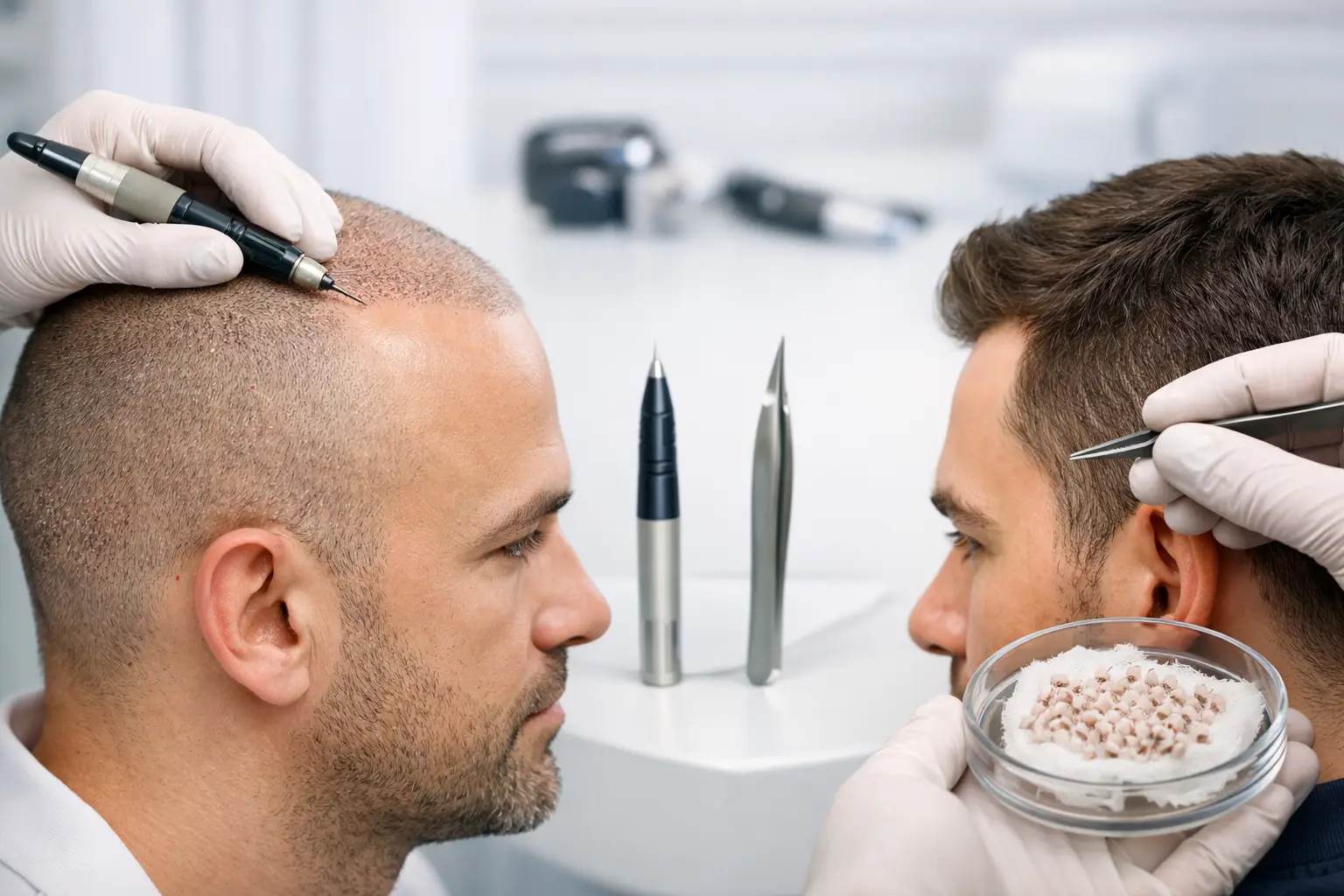
The easiest way to understand the dhi vs fue difference is to break the procedure into two stages: extraction and implantation. In a standard FUE procedure, the surgeon or medical team extracts individual follicular units and then creates tiny recipient sites before placing the grafts into those channels. In DHI, the grafts are also typically extracted with FUE methods, but implantation is done directly with an implanter tool that can create the site and place the graft in one step.
That distinction affects workflow, but it does not automatically make one method better than the other. A great result depends on donor quality, graft handling, angle and direction of placement, hairline artistry, and how well the treatment plan matches the patient. Technique matters, but execution matters more.
How each method works in practice
How FUE is typically performed
With FUE, hair follicles are removed one by one from the donor area using a micro-punch. Once enough grafts are collected, the surgeon creates recipient incisions in the thinning or bald area. The grafts are then carefully inserted into those sites.
This approach gives strong control over hairline design, channel direction, and coverage planning. It is widely used because it is versatile and efficient, especially for patients who need larger sessions or broader coverage across the front, mid-scalp, and crown.
How DHI is typically performed
With DHI, the extraction phase is still usually FUE. The main difference appears during implantation. Each graft is loaded into a pen-like implanter, which allows the practitioner to place follicles directly into the recipient area.
This can offer precise placement in certain cases, particularly when working in smaller zones or areas where careful density control is a priority. It may also reduce the time a graft spends outside the body during implantation, depending on the workflow of the team.
Is DHI better than FUE?
This is where patients often get pulled into oversimplified claims. DHI is not automatically better than FUE, and FUE is not outdated because DHI exists. The better option depends on what you need.
If your goal is to rebuild a conservative hairline, fill temple recession, or work around existing native hair with minimal disruption, DHI may be a strong option. If you need a higher number of grafts, broader coverage, or strategic restoration over a larger area, traditional FUE implantation may be more practical and efficient.
A good clinic will not push one label as the answer for everyone. It will assess your donor capacity, scalp condition, hair characteristics, and long-term hair loss pattern before recommending a technique.
DHI vs FUE difference in healing and recovery
For most patients, recovery is fairly similar. Both methods involve local anesthesia, extraction from the donor area, and implantation into the recipient area. You can expect temporary redness, scabbing, and mild sensitivity with either approach.
Some patients are told that DHI always means faster healing or less trauma. That can be true in select cases, but it is not guaranteed. Healing depends on how the grafts are handled, the size and number of recipient sites, the condition of your scalp, and how closely you follow aftercare instructions.
In real clinical settings, the difference in downtime is often smaller than patients expect. Most people can return to non-strenuous work within a few days, while the visible signs of the procedure improve gradually over one to two weeks.
Density, hairline design, and natural results
Patients usually care about one outcome above all others: will it look natural. The answer depends less on the label DHI or FUE and more on the quality of planning.
Natural hair restoration requires the right angle, direction, spacing, and distribution of grafts. The front hairline needs softness and irregularity. The zones behind it need density and support. The crown needs a pattern that follows natural hair swirl. These details are what make a result believable.
DHI can be useful for controlled placement in the hairline or between existing hairs. FUE with pre-made sites can also produce excellent density and highly natural design when performed by a skilled surgeon. Neither method compensates for poor artistry.
Which patients are better suited to DHI?
DHI may be a good fit for patients with smaller treatment areas, early hair loss, or a focus on refining the hairline. It can also appeal to patients who want a technique marketed as precise and minimally invasive, though those terms should always be interpreted carefully.
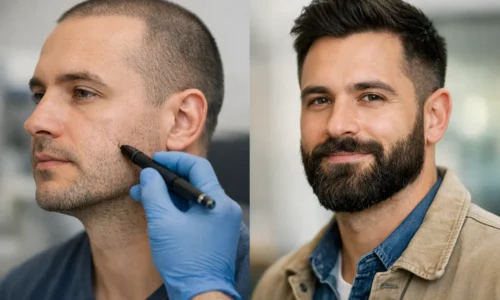
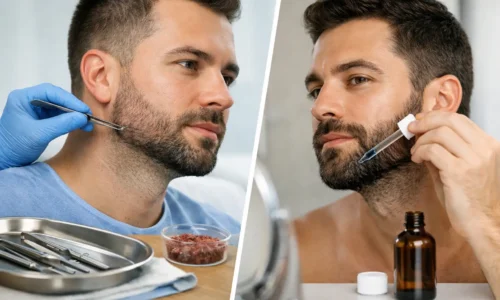
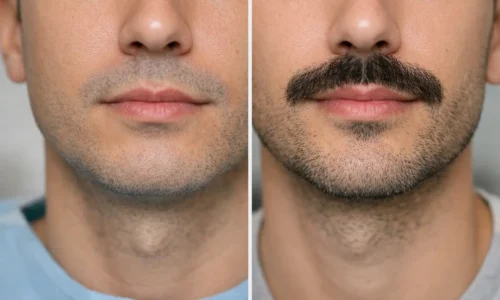
It may also be considered for eyebrow or beard transplantation in some settings, where placement angle is especially important. Still, suitability depends on the treatment plan, not just the instrument used.
Which patients are better suited to FUE?
FUE is often the more flexible choice for patients with moderate to advanced hair loss who need a larger number of grafts. It is commonly used for restoring the frontal scalp, mid-scalp, and crown in a single session or over staged procedures.
It is also a strong option for patients who need an efficient approach with broad coverage. If donor management is a priority, an experienced team can use FUE strategically to preserve the donor area while maximizing cosmetic improvement.
Cost differences and what they really mean
DHI is often priced higher than standard FUE, but higher cost does not always mean better value. The price can reflect tools, implantation time, clinic positioning, or branding rather than a dramatic difference in outcomes.
Patients should be cautious about choosing based on price alone in either direction. A low price may signal rushed handling, inexperienced staff, or poor graft management. A high price may reflect marketing more than medical advantage. The better question is what is included in the planning, procedure, and aftercare, and whether the clinic can show consistent, natural-looking results.
Questions worth asking at your consultation
If you are deciding between these methods, ask who performs each stage of the procedure, how many grafts you are likely to need, and why one implantation method is being recommended over another. You should also ask how your donor area will be protected for the future, especially if your hair loss is still progressing.
It is also reasonable to ask to see results in patients with a similar hair type, degree of hair loss, and hairline goal. This helps you judge real-world outcomes rather than relying on generic before-and-after photos.
The best choice is the one that fits your pattern of hair loss
The dhi vs fue difference matters, but not as much as patients are often led to believe. Both can be effective. Both can look natural. Both can disappoint if the planning is poor or the procedure is treated like a one-size-fits-all service.
At a specialist center such as A H T Aesthetic Medical Center, the right approach starts with diagnosis, not assumptions. Your age, donor strength, scalp health, hair caliber, and long-term hair loss pattern all influence which method is likely to serve you best.
If you are still unsure, that is normal. A well-planned consultation should leave you with less confusion, not more. The right procedure is the one that respects both your current appearance and your future hair needs.