Hair loss rarely feels like a small issue when you are the one living with it. It changes how you style your hair, how you look in photos, and sometimes how confident you feel walking into work or social events. If you are searching for a hair transplant clinic Dubai patients can rely on, the real question is not just where to go. It is how to tell the difference between a clinic that markets well and one that delivers safe, natural-looking results.
A good transplant is not only about putting hair back where it is missing. It is about creating a hairline that suits your face, protecting existing hair, using the right technique for your pattern of loss, and planning for how your hair may change over time. That is why choosing the right clinic deserves more than a quick comparison of prices.
What makes a hair transplant clinic Dubai patients trust?
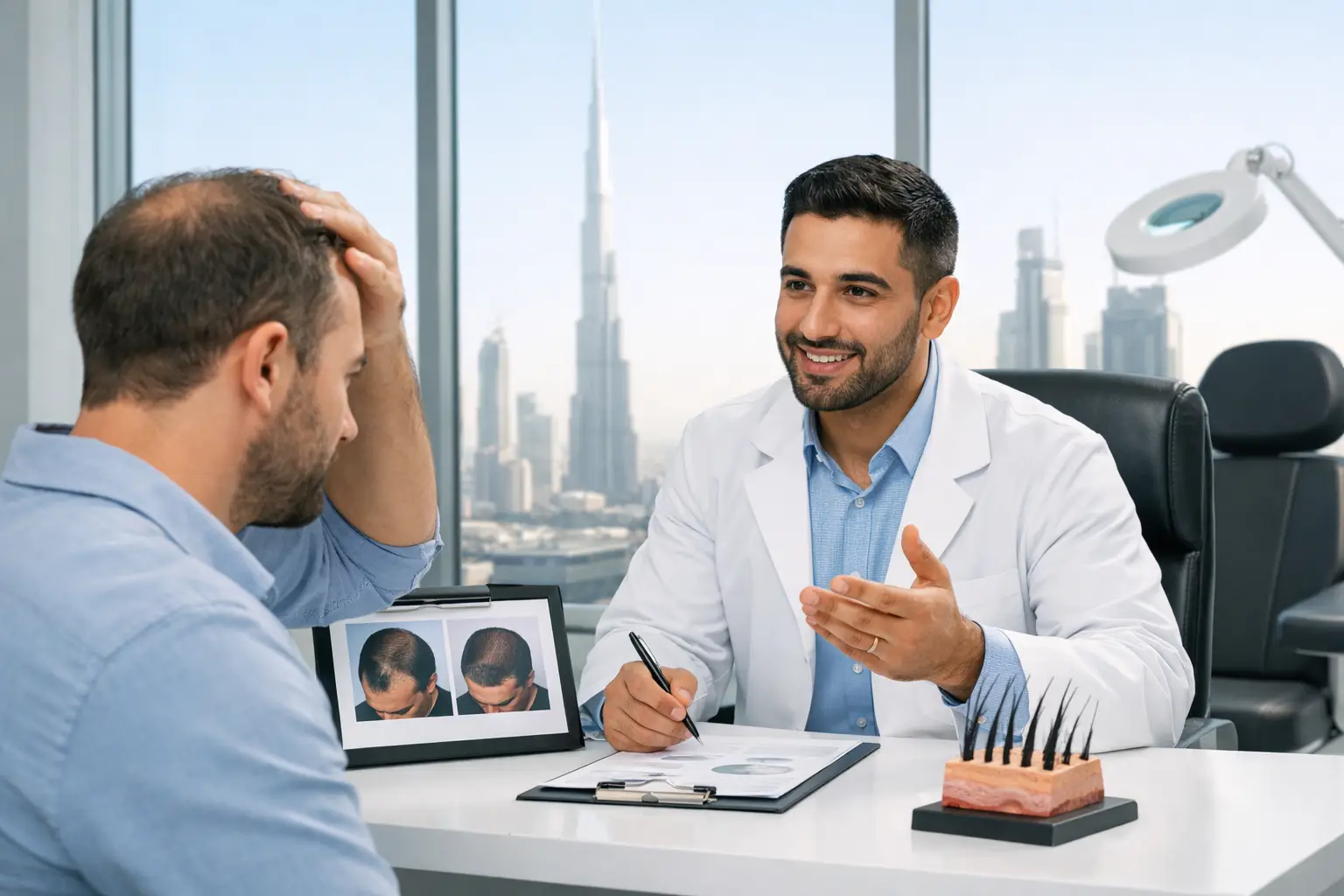
The strongest clinics tend to have one thing in common. They treat hair restoration as a medical procedure with aesthetic consequences, not as a cosmetic shortcut. That means your consultation should feel personalized, detailed, and honest.
You should expect a close assessment of your scalp, donor area, hair density, pattern of loss, family history, and expectations. A clinic that promises the same approach for everyone is missing the point. Hair loss is not one-size-fits-all, and the treatment plan should not be either.
Experience also matters, but not in a vague way. What matters is relevant experience with hairline design, graft placement, donor management, and natural density planning. A clinic should be able to explain how it approaches male pattern baldness, female hair thinning, receding temples, crown loss, beard gaps, or eyebrow restoration without sounding scripted.
Technique matters, but so does candidacy
Many patients start by asking whether FUE or another method is better. The more useful question is whether you are a suitable candidate for surgery right now. That depends on the cause and stability of your hair loss, the strength of your donor area, and the result you want.
FUE is widely preferred because it is minimally invasive, does not leave a linear scar, and allows precise graft extraction and placement. For many patients, it offers a strong balance between comfort, recovery, and aesthetic control. But even the best technique can disappoint if the plan is wrong. If the donor area is overharvested or the hairline is designed too aggressively, the result can look unnatural later.
This is where a careful clinic stands out. It should tell you when surgery is a good fit, when medical treatment should come first, and when combining options may produce a better outcome. Some patients benefit from PRP support, especially when there is existing thinning hair that needs strengthening around the transplant area. Others may need to stabilize shedding before moving ahead.
What to look for during the consultation
The consultation often tells you more than the website does. Good clinics ask thoughtful questions and set realistic expectations. Great clinics also make room for your concerns, whether that is pain, downtime, scarring, shaving, density, or cost.
Pay attention to how clearly the team explains the procedure. You should understand how many grafts may be needed, what the donor area can safely support, what kind of hairline is appropriate, and what your recovery will actually involve. If everything sounds too easy or too perfect, that is a reason to slow down.
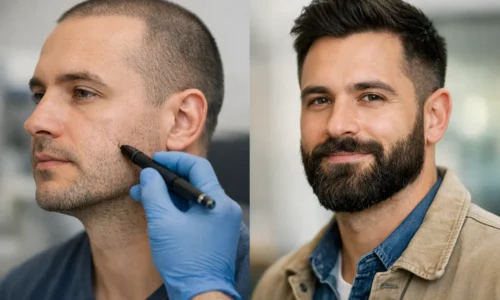
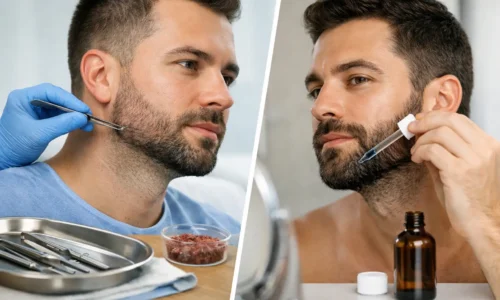
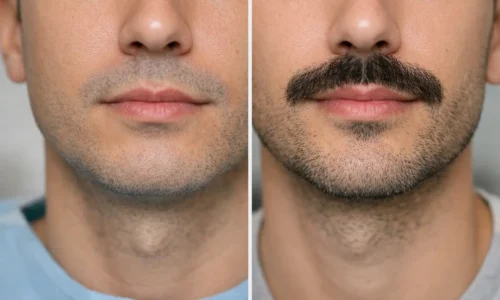
A trustworthy provider will also explain limitations. For example, transplanting a very dense front hairline may not be advisable if your donor supply is limited or if future loss is likely. Women with diffuse thinning may need a more selective approach than men with defined recession. Patients who want beard or eyebrow transplants need different angle, direction, and density planning than scalp procedures.
Natural-looking results come from design, not just graft count
A lot of clinics advertise numbers. More grafts, faster sessions, lower cost per graft. Those details can matter, but they should never be the whole conversation.
Natural results depend on hairline artistry, graft handling, placement angle, and careful distribution. A soft, age-appropriate hairline usually looks better long term than one that is too low or too straight. The temple points, frontal irregularities, and transition zones all affect whether the result looks believable.
This is especially important for professionals and appearance-conscious patients who do not want it to be obvious they had a procedure. The goal is usually not dramatic change overnight. The goal is to look like yourself again, only fuller, stronger, and more refreshed.
The recovery experience should be explained clearly
Any reputable hair transplant clinic Dubai visitors or residents consider should be transparent about healing. Most modern procedures are well tolerated, but recovery still requires proper guidance.
You should know how long redness or scabbing may last, when washing can begin, when the transplanted hair will shed, and when regrowth typically starts. The timeline matters because many patients become anxious during the shedding phase, even though it is normal. Without proper aftercare support, that period can feel uncertain.
Good clinics prepare you for the full arc of results. Early healing is only one stage. Visible growth often begins gradually over several months, and final maturation takes longer. Patience is part of the process, and a clinic should help you understand that before treatment, not after.
Red flags patients should not ignore
Sometimes the easiest way to choose well is to notice what feels off. If a clinic pushes for immediate booking without proper evaluation, avoids detailed answers, or guarantees exact outcomes, caution is reasonable.
Another concern is when pricing is presented without context. A lower price may reflect fewer safeguards, less experienced staff, rushed planning, or unrealistic graft promises. On the other hand, a premium fee does not automatically mean premium care. Value comes from expertise, safety, planning, support, and results that age well.
Look carefully at before-and-after results, but view them with a critical eye. Consistent lighting, clear angles, close-up hairline views, and healed results are more meaningful than heavily styled after photos. The best proof is often consistency across different cases, not one exceptional transformation.
Why personalized planning matters for men and women
Men and women often experience hair loss differently, and that affects treatment. Men typically present with recession at the temples, frontal loss, or crown thinning. Women may deal with widened part lines, diffuse thinning, or loss caused by traction, hormones, or stress-related shedding.
That difference matters because transplant planning is not only about filling a gap. It is about matching the pattern, preserving the surrounding hair, and choosing a density strategy that makes sense for each patient. Facial hair and eyebrow restoration require even more precision because the hairs are so visible and directional.
A specialized clinic should be comfortable discussing these distinctions. It should also recognize when transplant surgery is only one part of the solution. In many cases, the strongest outcomes come from combining surgery with regenerative support or maintenance therapies that protect the native hair.
Choosing confidence over guesswork
For many patients, the hardest part is not the procedure. It is deciding who to trust with something so visible. Hair restoration affects your appearance every day, which is why the clinic you choose should make you feel informed, respected, and medically supported from the first consultation onward.
At A H T Aesthetic Medical Center, that standard means tailored treatment planning, modern techniques, and a strong focus on natural results that fit the individual rather than the trend. Whether you are considering scalp restoration, beard refinement, or eyebrow enhancement, the right next step is a thorough consultation grounded in expertise, not pressure.
The best choice is usually the clinic that speaks clearly, plans carefully, and treats your result as something that should still look right years from now.