Hair thinning rarely happens all at once. More often, it shows up in the shower drain, in photos under bright light, or when your usual hairstyle stops giving the same coverage. If you are researching a guide to PRP hair treatment sessions, you are likely past the point of hoping a shampoo will fix it and ready to understand what this treatment really involves.
PRP hair therapy is a medical treatment designed to support hair follicles using your body’s own platelet-rich plasma. It is commonly chosen by men and women who want a non-surgical option for thinning hair, early-stage hair loss, or scalp support after a hair transplant. The appeal is clear – no incisions, minimal downtime, and a treatment plan that can be tailored to your stage of hair loss.
What PRP hair treatment actually is
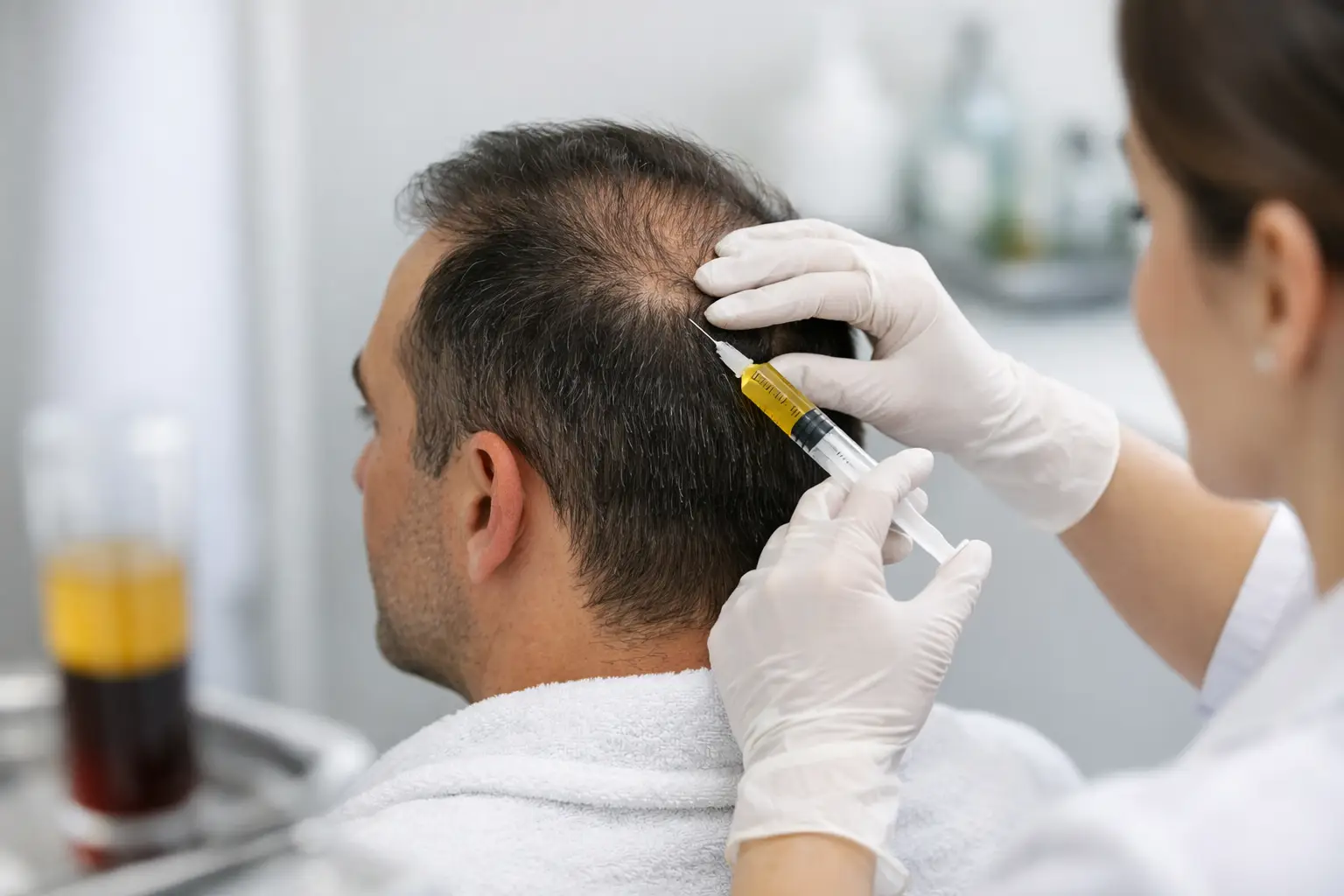
PRP stands for platelet-rich plasma. A small sample of your blood is drawn, processed to concentrate the platelets, and then injected into targeted areas of the scalp. Platelets contain growth factors that may help improve the environment around weakened hair follicles.
That does not mean PRP creates unlimited new hair growth or reverses every type of baldness. It works best as a supportive treatment, especially when follicles are still active but underperforming. For many patients, the goal is to strengthen thinning hair, reduce shedding, and improve density over time rather than produce an overnight transformation.
A guide to PRP hair treatment sessions: step by step
The session itself is usually straightforward, but knowing the sequence helps reduce anxiety and sets realistic expectations.
Consultation and scalp assessment
Before treatment begins, a qualified provider should assess your scalp, hair loss pattern, medical history, and goals. This matters because PRP is not the right fit for every patient. Thinning from androgenetic hair loss may respond differently than hair loss caused by hormonal shifts, nutritional deficiency, autoimmune conditions, or active scalp inflammation.
A proper consultation also helps determine whether PRP should be used on its own or alongside other treatments. In some cases, combining therapies creates a stronger result than relying on one approach alone.
Blood draw and PRP preparation
On treatment day, a small amount of blood is taken from your arm, similar to a routine lab draw. The sample is then spun in a centrifuge to separate and concentrate the platelet-rich plasma.
This part is usually quick. Patients who are uneasy around needles often find it more manageable than expected because the blood draw is brief and handled in a clinical setting.
Scalp injections
Once the PRP is prepared, it is injected into the areas of the scalp being treated. The exact pattern depends on where thinning is most active. Some clinics use a topical numbing method beforehand to improve comfort.
The injections are the part most patients ask about, and honestly, comfort varies. Some feel only mild stinging or pressure. Others find certain areas, especially around the hairline, more sensitive. It is tolerable for most people, but not completely sensation-free.
After the session
Most patients return to normal activities the same day. You may have mild tenderness, redness, or a tight feeling in the scalp for a short period. These effects are usually temporary.
Because PRP is created from your own blood, the risk of allergic reaction is low. That said, treatment quality still depends heavily on proper medical technique, accurate diagnosis, and appropriate patient selection.
How many PRP hair treatment sessions you may need
One of the most common misunderstandings is thinking PRP is a one-time treatment. In reality, results usually depend on a series of sessions followed by maintenance.
A common plan starts with three to four sessions spaced several weeks apart, then maintenance sessions every few months depending on how your scalp responds. Some patients need a more intensive starting phase, while others can move to maintenance sooner.
This is where expectations matter. PRP is not usually about dramatic change after a single appointment. It works more like a program than a one-day fix.
When you may start seeing results
Patience is part of the process. Hair growth moves slowly, and follicles do not respond on a cosmetic timeline.
Many patients first notice reduced shedding before they notice visible thickening. Early changes may appear within a few months, while fuller improvement often takes longer. The exact timeline depends on the cause of hair loss, the health of the follicles, the number of sessions completed, and whether PRP is combined with other treatments.
If your hair loss is advanced and follicles have been inactive for a long time, PRP may offer limited improvement. In those cases, a provider may recommend other restoration options instead of promising a result PRP is unlikely to deliver.
Who tends to be a good candidate
PRP is often a strong option for patients with early to moderate thinning who still have functioning follicles. It can also be useful for supporting scalp health and improving graft survival after hair restoration procedures.
Men and women can both benefit, but the reason for the hair loss matters more than gender. Patients with diffuse thinning, postpartum changes, stress-related shedding, or pattern hair loss may all need different plans. A good clinic will not treat PRP as interchangeable for every scalp.
You may be a better candidate if your hair is thinning rather than completely absent in the treatment area. If the scalp is already smooth and follicle activity is no longer present, PRP may not provide meaningful regrowth.
Who may need a different approach
There are situations where PRP is not ideal, or at least not the first step. If you have a bleeding disorder, active scalp infection, certain platelet-related conditions, or untreated medical causes of hair loss, those issues need attention first.
This is also why a bargain session without a proper medical evaluation can be disappointing. The treatment may be technically performed, but if the diagnosis is wrong, the outcome may still fall short.
Preparing for your PRP session
Good preparation helps the session go more smoothly. Your provider may give specific instructions based on your health history, but in general, arrive hydrated and with a clean scalp. Avoid heavy styling products on treatment day unless told otherwise.
You may also be advised to pause certain medications or supplements that affect bleeding, but this should only be done under medical guidance. Do not make changes on your own.
If you have a major event coming up, timing matters. While downtime is minimal, some patients prefer not to schedule treatment immediately before photos, presentations, or social plans because of temporary redness or scalp sensitivity.
Aftercare and what to avoid
Aftercare is usually simple, but it should still be followed carefully. Your provider may recommend avoiding hair washing for a short period, limiting intense exercise the same day, and staying away from harsh scalp products right after treatment.
Try not to judge the outcome too early. The scalp needs time to respond, and visible improvement is gradual. Chasing immediate results by switching treatments too quickly can make it harder to tell what is actually working.
Consistency matters more than intensity. Patients who complete the recommended series and follow maintenance advice usually give themselves the best chance of seeing improvement.
PRP compared with other hair restoration options
PRP sits in a useful middle ground. It is more advanced and medically directed than over-the-counter products, but less invasive than surgery. That makes it appealing for patients who want action without jumping straight to a transplant.
Still, it has limits. If your hair loss is significant, a hair transplant may be the better way to restore density in bare areas, while PRP can support surrounding native hair. If your thinning is mild, PRP may work well as a preventive and strengthening treatment before surgical options are even on the table.
The right choice depends on your scalp, your goals, and how quickly you want visible change. A personalized plan always beats a one-size-fits-all promise.
Choosing where to have PRP done
This part matters more than many patients realize. PRP is not just about spinning blood and giving injections. Results are shaped by diagnosis, preparation method, injection technique, treatment intervals, and whether the broader hair loss plan makes medical sense.
A specialist-led clinic with experience in hair restoration can better judge whether PRP is likely to help, where it should be placed in your treatment plan, and when another option would be more effective. For patients comparing providers in Dubai, that level of expertise is worth prioritizing over convenience alone.
PRP works best when it is offered honestly. The right session plan should feel clear, medically grounded, and personalized to your scalp rather than packaged as a miracle. If you are considering treatment, the most useful next step is not guessing from photos online – it is getting a professional assessment that tells you what your hair is likely to respond to, and what it is not.