If you have been researching hair restoration, one question usually comes up before anything else: what is hair transplant process, and what actually happens from the first consultation to the final result? For most patients, the uncertainty is more stressful than the procedure itself. Once you understand the steps, the experience feels far more manageable and far less intimidating.
A hair transplant is a medical procedure that moves healthy hair follicles from one area of the scalp, usually the back or sides, to areas affected by thinning or baldness. The goal is not simply to add hair. It is to restore density, shape, and balance in a way that looks natural on your face and fits the way your hair grows.
What Is Hair Transplant Process and Who Is It For?
The hair transplant process begins long before the procedure day. A good clinic does not treat every patient the same way, because hair loss patterns, donor hair quality, age, and expectations all matter. Some people are excellent candidates for surgery, while others may need medical treatment first or may be better served by a different approach.
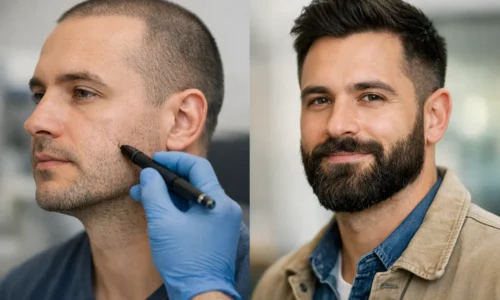
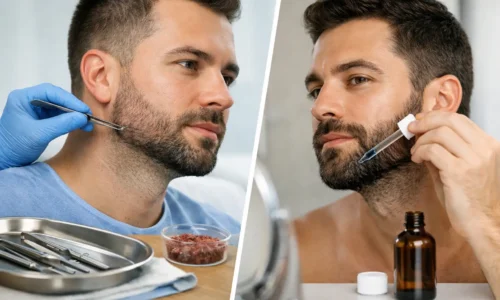
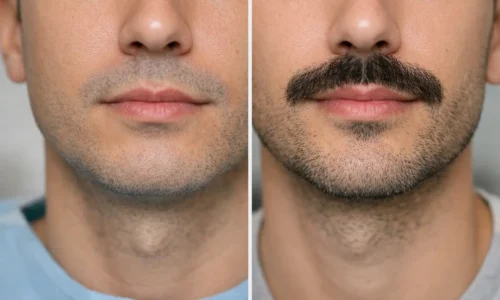
In general, hair transplant treatment is best suited for men and women with stable hair loss, enough healthy donor hair, and realistic expectations about density and coverage. It can also be used for beard, mustache, and eyebrow restoration, although the planning is different in those areas. If hair loss is still rapidly progressing, your provider may recommend a broader treatment plan so the final result stays balanced over time.
The Consultation Stage
This is where the process becomes personal. During consultation, the specialist examines your scalp, reviews your medical history, discusses your hair loss pattern, and evaluates the donor area. Hairline design is also discussed at this stage. That matters more than many patients realize.
A natural-looking result depends on restraint and planning. A hairline that is too low, too straight, or too dense in the wrong place can look artificial, especially as you age. The right plan considers your facial proportions, likely future hair loss, and the number of grafts available. This is one of the biggest differences between a rushed procedure and a well-executed one.
Photos are often taken so progress can be tracked, and you will usually receive a graft estimate. This estimate is not just a number. It helps set expectations for what can realistically be covered in one session and whether your goals are better achieved through a conservative first procedure or a more extensive plan.
Preparing for the Procedure
Before surgery, you are given instructions to help make the procedure safer and smoother. These may include avoiding smoking, alcohol, and certain medications for a period before treatment. If you take blood thinners or have a medical condition, your doctor will advise you on the safest next step.
You may also be told to wash your hair in a specific way and wear comfortable clothing on the day of the procedure. Preparation sounds simple, but it affects healing, bleeding, and overall comfort. Following instructions closely is one of the easiest ways to support a better result.
The Donor Area and Graft Harvesting
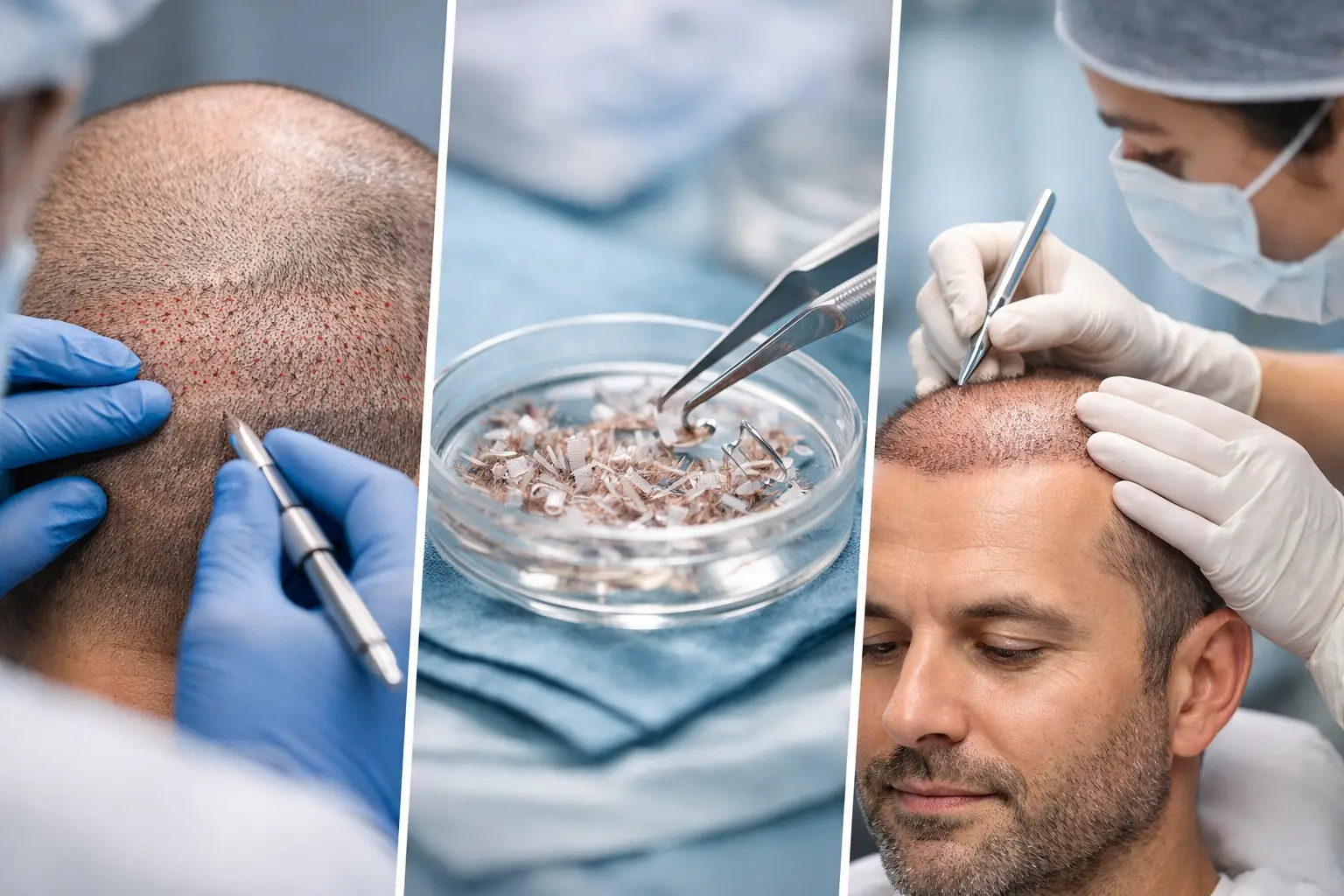
On the day of treatment, the donor area is prepared first. This is usually the back and sides of the scalp because those follicles are generally more resistant to the hormonal effects that cause pattern hair loss. Local anesthesia is used, so the procedure is typically very tolerable. Patients are often surprised that the experience is more about patience than pain.
There are two main harvesting methods: FUE and FUT. In FUE, individual follicular units are extracted one by one using a specialized instrument. In FUT, a small strip of scalp is removed and then dissected into grafts. Today, many patients prefer FUE because it is minimally invasive and does not leave a linear scar, but that does not automatically make it the best choice for everyone.
It depends on your hairstyle, scalp flexibility, graft needs, and long-term plan. A skilled medical team will recommend the method that best protects the donor area while giving you the strongest cosmetic result.
Graft Sorting and Planning
Once the grafts are harvested, they are carefully examined and sorted. This stage is highly technical and has a direct effect on growth. Each graft may contain one, two, three, or sometimes more hairs. Single-hair grafts are often placed at the front hairline for a soft, natural appearance, while multi-hair grafts are used behind that area to build density.
This is where artistry and medical precision meet. Hair transplantation is not just about moving follicles. It is about deciding where each graft should go, at what angle, in what direction, and at what density. If those details are off, the result may grow, but it may not look right.
Creating the Recipient Area
After the grafts are prepared, the surgeon creates tiny sites in the thinning or bald areas where the follicles will be placed. These incisions are small, controlled, and planned according to the natural pattern of your hair.
The angle and direction of these sites matter enormously. Hair does not grow straight upward or in a uniform pattern. It changes direction across the scalp and around the temples and crown. Recreating that pattern is one of the reasons experienced providers achieve more natural-looking outcomes.
For patients focused on the frontal hairline, this part is especially important. The hairline is the first thing people see. Small choices in placement can make the difference between a result that blends in quietly and one that draws attention for the wrong reason.
Implanting the Grafts
The grafts are then placed into the recipient sites. This takes time because each follicle needs to be handled delicately to protect its viability. The transplanted grafts are living tissue. They must be kept in the right conditions and implanted with care.
This stage can last several hours depending on the number of grafts. There is no benefit in rushing it. Precision matters more than speed, especially when working in visible areas like the front hairline, beard, or eyebrows.
By the end of the session, the treated area will show tiny graft placements and some redness. The donor area may also look mildly irritated. This is expected in the early phase.
What Recovery Looks Like
Recovery is usually straightforward, but the first two weeks require discipline. You will receive aftercare instructions covering washing, sleeping position, physical activity, and when to return to your normal routine. These details help protect newly placed grafts while the scalp begins to heal.
Mild swelling, redness, and small scabs are common. Most of these early signs settle within days to a couple of weeks. Patients often worry when the transplanted hairs begin to shed soon after the procedure, but this is a normal part of the cycle. The follicles remain in place even though the hair shafts fall out.
This temporary shedding phase can feel discouraging if you are expecting instant cosmetic change. Hair transplantation rewards patience. The visible result takes time because transplanted follicles need to rest and then re-enter a normal growth cycle.
When You See Results
Early growth often starts around three to four months, though timelines vary. Noticeable improvement usually develops between six and nine months, with fuller maturation continuing up to 12 months or longer. Crown areas may take even more time.
This is why realistic expectations are essential. A transplant is not a same-week transformation. It is a gradual restoration process. When done well, the result should not look sudden or obvious. It should simply look like your hair belongs there.
Some patients also benefit from complementary treatments such as PRP or medical hair loss management to support scalp health and protect existing native hair. A transplant improves areas that have already thinned significantly, but preserving surrounding hair is just as important for a lasting overall appearance.
Common Concerns Patients Have
Most concerns come down to three questions: Will it hurt, will it look natural, and is it permanent? The procedure is typically performed under local anesthesia, so discomfort is limited and manageable. During recovery, soreness or tightness may occur, but it is usually temporary.
As for appearance, natural results depend on technique, planning, and a conservative design approach. The best hair transplants do not advertise themselves. They restore confidence without making the work obvious.
Permanence is a little more nuanced. Transplanted follicles are generally long-lasting because they come from more resistant donor zones. However, your non-transplanted hair can continue to thin over time. That is why long-term planning matters just as much as the procedure itself.
Choosing the Right Clinic Matters
If you are comparing providers, focus on more than price. Ask how the hairline is designed, who performs each stage of the procedure, what technique is recommended for your case, and what kind of aftercare is included. Hair transplantation is a medical and aesthetic treatment at the same time. You need both safety and judgment.
At a specialist clinic such as A H T Aesthetic Medical Center, patients often feel more comfortable because the process is explained clearly and tailored to their goals. That matters. When people understand what is happening and why, they make better decisions and approach treatment with more confidence.
If you are considering treatment, the best next step is not guessing how your result might look. It is getting a professional assessment of your donor area, hair loss pattern, and realistic options so the plan fits you, not just the procedure.