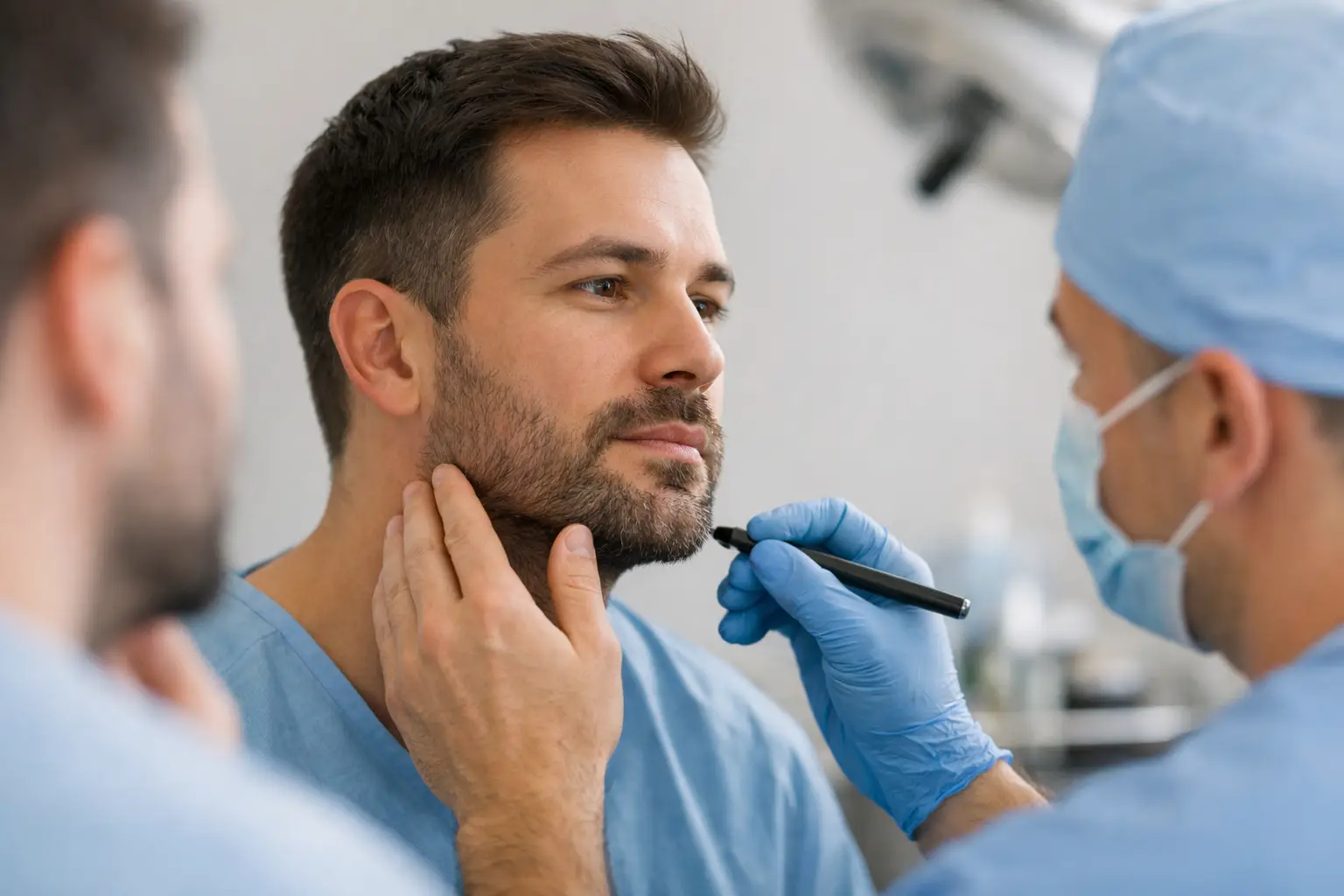
A beard transplant is not simply about adding more facial hair. It is a precision procedure that must account for your facial proportions, existing beard pattern, donor hair quality, skin condition, and the style you want to maintain long term. Knowing how to prepare for beard transplant surgery helps you arrive informed, comfortable, and ready to support the best possible healing environment.
The preparation process begins well before procedure day. A careful consultation, honest medical history, and a few practical lifestyle adjustments give your medical team the information they need to design a natural-looking result that suits your face rather than a one-size-fits-all template.
Start With a Detailed Beard Transplant Consultation
Your consultation is where the treatment plan takes shape. The surgeon will assess the density and direction of your current beard, the amount and quality of donor hair available, and the areas you would like to improve. Some patients want fuller cheeks or a more defined jawline. Others are addressing patchy growth, scars, or a sparse mustache and goatee.
Bring clear examples of beard styles you like, but be open to professional guidance. A style that looks good on another person may not complement your facial structure, hair texture, or donor supply. The goal is density that looks believable at conversational distance and remains appropriate as you age.
Use this appointment to discuss realistic graft numbers, expected density, the technique recommended for you, and the recovery timeline. If you travel from another emirate or another GCC country, ask how long you should remain nearby before flying home. You should also understand that transplanted hairs commonly shed in the early weeks before new growth begins. This is a normal part of the growth cycle, not a sign that the procedure has failed.
Share Your Medical History Clearly
A safe beard transplant plan depends on accurate medical information. Tell your clinic about current and previous health conditions, allergies, past surgeries, and any history of poor wound healing, excessive bleeding, or keloid scarring. Mention skin conditions affecting the beard area, including acne, eczema, folliculitis, or active infections.
Provide a complete list of prescription medicines, over-the-counter pain relievers, supplements, and herbal products. Some substances can increase bleeding or interfere with healing. Your medical team may advise changes before the procedure, but do not stop prescribed medication on your own. Any adjustment should be approved by the clinician who manages that medication and by your transplant team.
This is also the right time to be candid about smoking, vaping, alcohol intake, and recreational drug use. These details are medical information, not a judgment. Nicotine can reduce blood flow to healing tissues, while alcohol and certain substances may affect bleeding, anesthesia, or postoperative care.
Address Active Skin Problems First
Healthy facial skin gives transplanted grafts the best conditions to settle. If you have inflamed acne, ingrown hairs, a rash, or an infection in the beard area, your procedure may need to be postponed until the issue is treated. This can feel frustrating, particularly if you have been planning the procedure for months, but it is a sensible safeguard for both comfort and results.
Avoid experimenting with harsh new skincare products in the weeks leading up to surgery. Strong exfoliants, chemical peels, or aggressive facial treatments can leave the skin irritated when it needs to be calm and stable.
Adjust Medications and Lifestyle Habits
Your clinic will provide preoperative instructions tailored to your health profile. Follow those instructions exactly, including guidance about medication, supplements, food, and beverages. General online advice cannot replace the directions given by the team performing your procedure.
Patients are often asked to avoid medications or supplements that can increase bleeding risk for a specified period. This may include certain anti-inflammatory pain relievers, vitamin E, fish oil, and herbal supplements. The exact plan varies, especially for patients who take blood thinners or medication for heart conditions, diabetes, blood pressure, or other ongoing concerns.
If you smoke or vape, plan ahead for a nicotine-free period recommended by your medical provider. This is one of the most constructive steps you can take for healing. Limit alcohol as instructed, stay hydrated, and focus on regular meals with protein, fruits, vegetables, and iron-rich foods. Good nutrition will not create grafts, but it supports the body as it recovers.
Prepare Your Donor Area and Beard Area
In most beard transplants, hair follicles are harvested from the scalp, often from the back or sides where hair is naturally more resistant to thinning. Your surgeon will select donor hairs that best match the texture and caliber needed for your beard. Finer hairs may be useful for a soft, natural hairline along the cheeks, while thicker hairs can add definition to central beard areas.
Do not shave or trim your scalp or beard unless the clinic specifically asks you to do so. The team may need to see natural growth patterns, hair direction, and existing density before the procedure. They will advise whether you should arrive clean-shaven, lightly trimmed, or with a particular length of facial hair.
On the day before and the morning of surgery, wash your hair and face according to the instructions you receive. Avoid applying hair fibers, beard dyes, heavy oils, styling waxes, concealer, or fragranced skincare products. Clean skin and hair make preparation easier and reduce unnecessary irritation.
Plan the Day of Your Procedure
A beard transplant can take several hours, depending on the number of grafts and the complexity of the design. Wear a comfortable, loose-fitting shirt that buttons or zips in the front. You should not need to pull clothing over your face after the procedure, as this could disturb newly placed grafts.
Have a light meal before arriving unless your medical team gives different instructions. Do not arrive dehydrated, and avoid excessive caffeine if it makes you anxious or raises your blood pressure. Bring identification, any requested medical records, and a list of your medications if the clinic has not already documented them.
Arrange transportation home. Even when the procedure is performed with local anesthesia, you may feel tired afterward or receive medication that makes driving unsuitable. A friend, family member, or car service can make the journey home more comfortable. For medical tourists, booking accommodation close to the clinic can reduce stress during early follow-up visits.
Set Up Your Recovery Space Beforehand
The first few days require care and patience. Prepare a clean recovery space with extra pillows so you can sleep with your head elevated if advised. Keep your prescribed medications, drinking water, easy meals, and a phone charger within reach. A calm schedule is better than trying to return immediately to social events, gym sessions, or work commitments that expose you to dust, heat, sweat, or accidental contact with the face.
You will receive specific instructions for washing, moisturizing, and protecting both the donor area and transplanted beard area. Follow the timing carefully. Do not pick scabs, scratch the recipient area, or test the grafts by touching them. Early grafts are delicate, and even a small amount of unnecessary friction can affect healing.
Plan for temporary redness, tiny scabs, swelling, or mild discomfort. These effects vary from person to person and are usually manageable with proper aftercare. Contact your clinic promptly if you experience worsening pain, spreading redness, fever, unusual discharge, or any symptom that concerns you.
Give Your New Growth Time
The visual timeline after a beard transplant requires patience. Transplanted hairs may shed after the initial healing phase, then begin to grow again over the following months. Growth is gradual, and early hairs can appear fine or uneven before they mature. Your final outcome develops over time, not in a single week.
AHT Aesthetic Medical Center creates beard restoration plans around each patient’s features, donor capacity, and desired level of definition. The most satisfying results usually come from patients who prepare carefully, follow aftercare instructions closely, and allow the growth process to unfold at its natural pace.
If you are considering treatment, schedule a professional assessment before making changes to medications, shaving habits, or travel plans. A clear plan from an experienced team replaces uncertainty with practical next steps and gives your new beard the strongest start.
Ready to explore your hair restoration options?
Complete a free Hair Analysis or book a consultation with AHT Aesthetic Medical Center in Dubai.
Ready to explore your hair restoration options?
Complete a free Hair Analysis or book a consultation with AHT in Dubai.