Hair loss rarely starts all at once. More often, it shows up in small ways – extra shedding in the shower, a widening part, thinner edges, or a hairline that looks different in photos than it did a year ago. That is exactly why so many people start searching for the best hair loss treatments before they feel ready for anything major. The right next step depends less on trends and more on the cause, pattern, and stage of your hair loss.
Some treatments slow shedding. Some improve hair quality and density. Some restore hair in areas where follicles are no longer active. The most effective approach is usually not a one-size-fits-all solution, but a tailored treatment plan based on a proper assessment.
What makes the best hair loss treatments effective?
The best treatments do two things well. First, they address the reason the hair is thinning, whether that is genetic hair loss, hormonal change, stress, inflammation, traction, or a medical condition. Second, they match the current condition of the follicles. If follicles are weak but still active, non-surgical treatment may help strengthen and preserve them. If follicles have stopped producing hair altogether, restoration may require transplantation.
This is where many people lose time and money. A product can be popular and still be wrong for your type of hair loss. An oil, supplement, or shampoo may support scalp health, but that does not mean it can regrow hair in areas with permanent follicle loss. On the other hand, someone in the early stages of thinning may get meaningful improvement from medical treatment and avoid more advanced intervention for years.
Best hair loss treatments for early to moderate thinning
If you are noticing reduced density, more visible scalp, or slower regrowth, treatment is often most successful when started early. At this stage, the goal is usually to reduce shedding, support healthier growth cycles, and preserve the hair you still have.
PRP for hair restoration
Platelet-rich plasma, or PRP, is one of the most requested non-surgical options for hair thinning. It uses a concentrated portion of your own blood, prepared and injected into the scalp to support follicle activity. Patients often choose PRP because it is minimally invasive, medically supervised, and fits well into a broader hair restoration plan.
PRP tends to work best when follicles are still alive but underperforming. It may improve thickness, reduce shedding, and enhance overall hair quality over time. It is not an overnight treatment, and it usually works best as a series rather than a single session. Results also vary depending on age, pattern of loss, and how long the thinning has been present.
Prescription and medically guided treatment plans
For many patients, especially those with pattern hair loss, medical therapy remains a key part of treatment. This may include topical or oral options recommended under clinical guidance. These treatments can help slow progression and support retention of existing hair, which matters just as much as visible regrowth.
The trade-off is that consistency matters. Hair loss often resumes if treatment is stopped, and not every medication is appropriate for every patient. Men and women may need different approaches, especially when hormones, pregnancy planning, or underlying health conditions are part of the picture. That is why evaluation matters more than guessing.
Scalp-focused support treatments
In some cases, improving scalp condition helps create a better environment for hair growth. If there is irritation, buildup, inflammation, or poor scalp health, supportive care may be added alongside primary treatment. This is rarely the whole answer for progressive hair loss, but it can be an important part of a stronger overall plan.
Best hair loss treatments when shedding has become advanced
When hair loss progresses to the point where scalp visibility is significant or the hairline has receded substantially, non-surgical treatments may no longer be enough on their own. They can still help preserve surrounding hair, but restoration often requires a more definitive solution.
Hair transplant surgery
A hair transplant remains one of the best hair loss treatments for patients with stable donor hair and established areas of thinning or baldness. In this procedure, healthy follicles are moved from a donor area, usually the back or sides of the scalp, into areas that need density or hairline reconstruction.
The reason transplants continue to stand out is simple: they can restore hair in areas where follicles are no longer functioning. When performed with the right technique, angle, and density planning, the result can look natural and age-appropriate rather than obvious or overly designed.
That said, a transplant is not the right answer for everyone at every stage. Younger patients with rapidly progressing loss may need careful long-term planning. Patients with unrealistic density expectations may need guidance on what can be achieved safely. And even after a transplant, preserving native hair often still matters.
Why planning matters as much as the procedure
A successful transplant is not just about graft count. It depends on facial proportions, donor supply, hair texture, direction of growth, and how the restored area will continue to look over time. The best outcomes come from individualized planning, not from chasing the lowest price or the highest number.
For patients considering treatment in a specialist setting such as A H T Aesthetic Medical Center, that level of planning is often what creates the difference between a simply filled-in look and a result that feels naturally yours.
Best hair loss treatments for women
Women often experience hair loss differently than men. Instead of a receding hairline, many notice diffuse thinning across the top of the scalp, widening at the part, or a loss of volume that becomes harder to style. Hormonal shifts, stress, nutritional issues, and postpartum changes can also play a role.
For women, the best hair loss treatments usually begin with identifying the cause instead of assuming it is standard pattern loss. PRP can be a strong option for female thinning when follicles are still active. Medical treatments may also help, depending on the diagnosis and the patient’s health profile. In more advanced cases, hair transplantation can be effective, especially when thinning patterns and donor suitability are properly assessed.
The key is not to normalize ongoing loss as something you simply have to live with. Early evaluation often opens up more treatment options.
What about beard, mustache, and eyebrow loss?
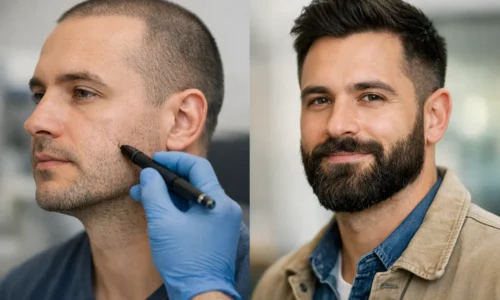
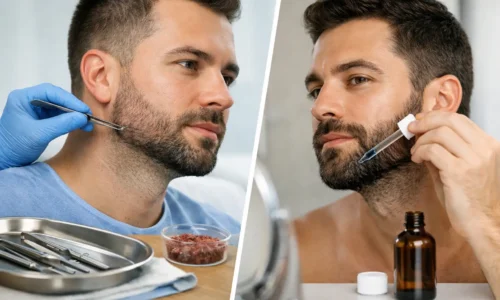
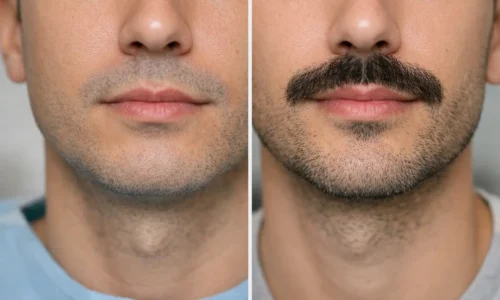
Hair restoration is not limited to the scalp. Some patients are bothered by patchy beard growth, weak mustache density, or eyebrow gaps caused by overplucking, genetics, or scarring. These concerns can respond to transplant-based restoration when the area is stable and the donor hair is appropriate.
The same principle applies here as with scalp restoration: natural results depend on precision. Eyebrow and facial hair restoration require close attention to direction, shape, and placement. When done well, the result should blend with your features rather than call attention to the procedure.
How to choose among the best hair loss treatments
The most useful question is not, “What is the single best treatment?” It is, “What is the best treatment for my type of hair loss right now?” That answer changes based on how long the hair loss has been happening, whether follicles are still viable, and what kind of result you want.
If your main goal is slowing early thinning, medical treatment and PRP may be the most sensible place to start. If your concern is a receded hairline, visible bald patches, or long-standing density loss, a transplant may offer the clearest path to visible restoration. If you have both active shedding and established areas of loss, combination treatment is often the strongest strategy.
It also helps to be realistic about timing. Hair restoration is a process. Non-surgical options usually require repeated sessions or ongoing use. Surgical restoration requires healing time, shedding phases, and gradual growth before the final outcome becomes visible. Quick promises are usually a warning sign.
When expert assessment matters most
You should seek professional evaluation sooner rather than later if your hair loss is accelerating, your scalp is irritated, your eyebrows or beard are developing bald patches, or you have already tried over-the-counter products without improvement. Hair loss can have more than one cause, and treating the wrong one delays progress.
A proper consultation should look beyond the surface. It should assess pattern, density, scalp condition, donor area quality, medical history, and your long-term goals. Most importantly, it should lead to a treatment plan that makes sense for you, not a generic package.
The best hair loss treatments are the ones that match your diagnosis, your stage of hair loss, and the result you want to see in the mirror. If your hair has been changing and you are not sure what still can be saved, that uncertainty is a good reason to get expert guidance. The earlier you understand your options, the more control you have over the outcome.