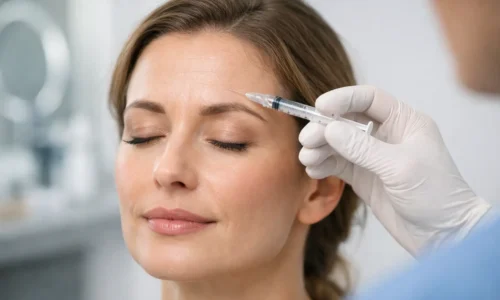
When patients ask about eyebrow transplant cost, they are rarely asking for a number alone. What they usually want to know is whether the result will look natural, whether the procedure is worth it, and whether a lower quote could lead to a disappointing outcome. Those are the right questions to ask.
An eyebrow transplant is a detail-driven procedure. Unlike scalp restoration, the surgeon is not simply filling a larger area with density. Each graft must be placed with careful attention to angle, direction, spacing, and overall brow design. That is why pricing can vary significantly from one clinic to another, and why the cheapest option is not always the most cost-effective one.
What is included in eyebrow transplant cost?
In most cases, eyebrow transplant cost reflects more than the grafts themselves. It may include the consultation, brow design planning, donor hair extraction, graft preparation, implantation, local anesthesia, and follow-up care. Some clinics bundle these elements into one fee, while others quote a base price and then add charges for medications, post-procedure products, or review visits.
This is where patients can get confused. A lower advertised fee may appear attractive at first, but it does not always represent the full financial picture. When comparing clinics, it helps to ask what is included from the beginning so you are evaluating total value rather than a headline number.
Why eyebrow transplant prices vary
The biggest factor is usually the level of surgical precision required. Eyebrows frame the face, and even small design errors can be noticeable. Creating natural-looking brows requires technical judgment as much as artistic skill. Clinics with experienced hair restoration surgeons, advanced implantation methods, and strong aesthetic planning often charge more because the procedure demands a higher level of customization.
The number of grafts also matters, but not always in the way patients expect. Some individuals need only a modest refinement to fill sparse outer edges. Others want fuller reshaping after years of overplucking, scarring, hair loss, or naturally thin brows. A larger treatment area generally increases the price, but eyebrow transplantation is still less about volume than it is about placement quality.
Location can influence cost as well. In a major aesthetic market such as Dubai, pricing may reflect access to experienced specialists, premium facilities, and high standards of patient care. That does not automatically mean every higher-priced clinic offers better results, but it does mean overhead, technology, and specialist expertise can be part of the fee.
Eyebrow transplant cost by treatment complexity
A simple case usually involves filling minor gaps while preserving your existing shape. This can require fewer grafts and less redesign, which may keep the cost lower. Patients in this category often want subtle enhancement rather than a dramatic change.
A moderate case may involve rebuilding both brows for better symmetry, increasing density, and softening patchy or uneven areas. Here, the procedure becomes more customized, and that added planning tends to increase the overall fee.
A more complex case may involve previous trauma, scarring, past cosmetic tattooing that altered natural contours, or major brow loss from medical or hormonal causes. These cases often need more careful design, more graft handling, and a realistic discussion about what can be achieved in one session. That complexity can raise cost, but it may also be essential for a result that looks balanced and believable.
What you are really paying for
Patients often assume they are paying mainly for hair transfer. In reality, they are paying for decision-making at every step. The surgeon must identify an appropriate donor area, select suitable follicular units, design an eyebrow shape that works with your facial structure, and place each graft at an angle that mimics natural brow growth.
This is where true value sits. A technically poor eyebrow transplant may grow, but still look unnatural if the hairs point in the wrong direction or create excessive density in the wrong area. Correcting that can be more expensive, more frustrating, and more emotionally draining than choosing a qualified clinic the first time.
Low cost vs high value
A low quote can be tempting, especially if you are comparing similar before-and-after photos online. But online images do not always reveal how consistently a clinic performs or how much planning goes into each case. Eyebrow work is one of the procedures where fine details matter most.
High value does not mean paying the highest fee available. It means understanding what you receive for the price. A clinic that invests time in consultation, explains realistic density expectations, uses refined extraction and implantation techniques, and provides structured aftercare may offer better value than one advertising a bargain package.
If a quote seems unusually low, it is reasonable to ask why. It may be a promotional rate, a simplified package, or a sign that certain parts of the process are not as personalized as they should be. Cost savings are not automatically a red flag, but they should be understood clearly before you commit.
Questions to ask during a consultation
A strong consultation should make the price easier to evaluate. Ask whether the fee includes the full procedure, medications, and follow-up care. Ask how many grafts are expected and whether the quote changes if more grafts are needed during treatment.
It is also worth asking who performs each stage of the procedure. In eyebrow transplantation, surgeon involvement matters. Design and placement are not minor details that can be treated as routine. Patients should feel confident that the medical team has specific experience with eyebrow restoration, not just general hair transplantation.
Another useful question is whether you may need a second session. Some patients achieve their goal in one treatment. Others may benefit from refinement later, especially if they want added density after seeing how the first growth cycle develops. Knowing that possibility upfront helps you judge the total investment more realistically.
Does paying more guarantee better eyebrows?
No, and that is an important point. A higher price does not guarantee a better outcome, just as a lower price does not always mean poor quality. What matters is whether the clinic can show a consistent approach to natural-looking eyebrow design, careful graft placement, and patient-specific planning.
That said, eyebrow transplantation is not the ideal procedure to shop for as if it were a standardized service. Technique, judgment, and aesthetic restraint all matter. The best result often looks understated – not obviously transplanted, not too dense, and not drawn on. Achieving that usually comes from experience.
Planning for cost without rushing the decision
If you are seriously considering treatment, give yourself room to compare consultations thoughtfully. Price should be part of your decision, but not the entire decision. A well-performed eyebrow transplant can offer lasting improvement in shape, fullness, and confidence. A poorly planned one can leave you covering, trimming, or correcting the brows for years.
Look at the procedure as both a cosmetic and medical investment. You are trusting a clinic with a central facial feature, and the outcome will affect your everyday appearance. That makes expertise, safety, and aftercare worth weighing carefully alongside the fee.
For many patients, the most reassuring path is a consultation where the medical team explains not only the likely eyebrow transplant cost, but also the reasoning behind it. That kind of transparency usually reflects a more patient-centered standard of care.
At A H T Aesthetic Medical Center, patients exploring eyebrow restoration often want the same thing: a result that feels natural enough not to need explaining. That is the right standard to keep in mind when evaluating cost.
The smartest way to think about price is simple – choose the clinic that gives you confidence in the result, not just comfort with the quote.