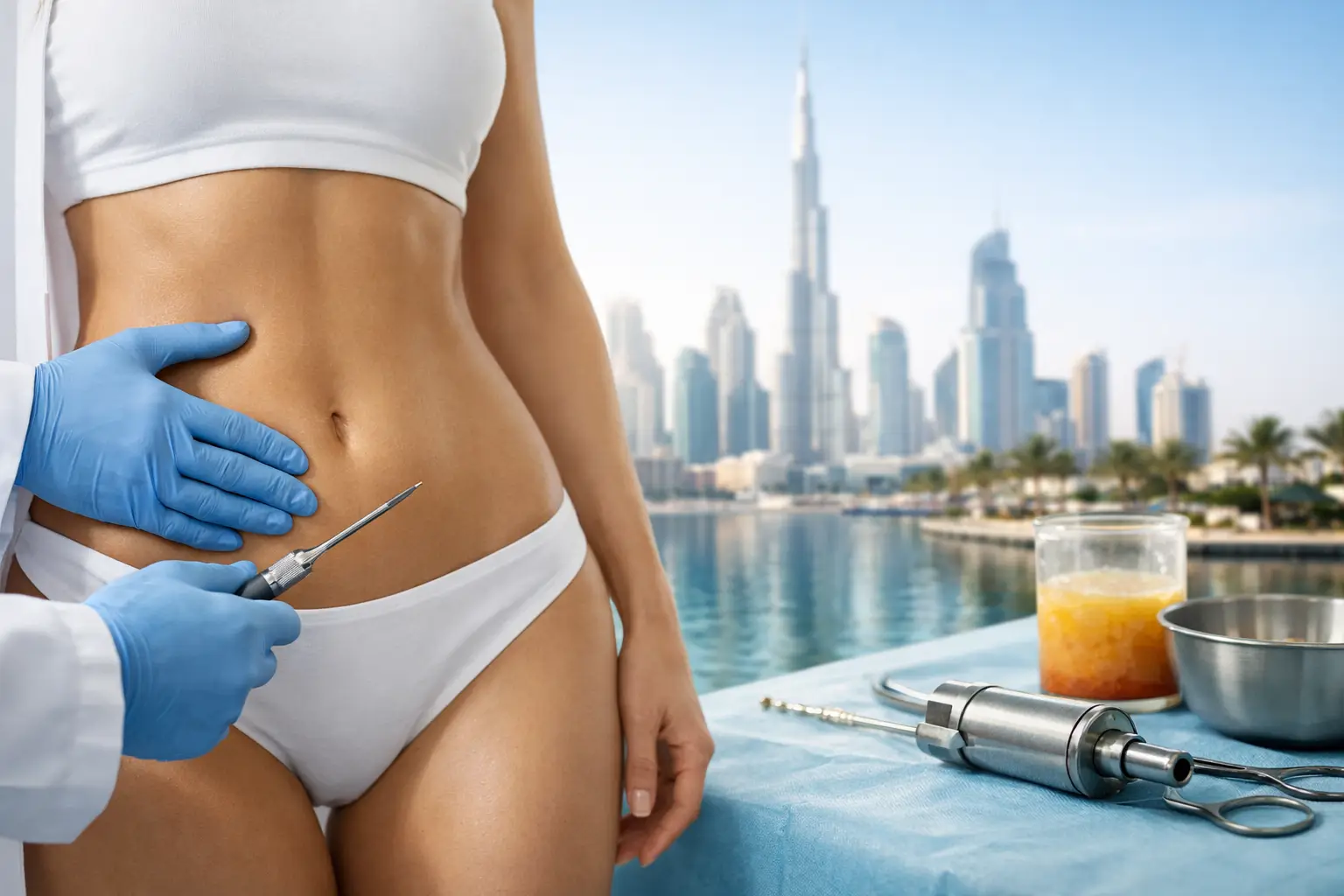
Stubborn fat rarely responds fairly. You can train consistently, eat well, and still find that the abdomen, flanks, thighs, or under-chin area hold onto fullness that does not match the effort you put in. That is usually where interest in liposuction Dubai begins – not with a desire for dramatic change, but with the goal of refining body contours in a precise, medically supervised way.
Liposuction is a body contouring procedure designed to remove localized fat deposits. It is not a weight-loss treatment, and that distinction matters. The best candidates are usually close to their target weight, have good skin tone, and want to improve shape in specific areas rather than reduce overall body size.
Is liposuction the right choice?
For many patients, the question is not whether liposuction works. It is whether it is the right tool for their concern. If the issue is stubborn fat that has remained stable despite lifestyle efforts, liposuction can be highly effective. If the main concern is loose skin, significant weight fluctuation, or muscle separation, other treatments may be more appropriate, or liposuction may need to be combined with a different approach.
This is why a proper consultation matters. A qualified aesthetic doctor will assess fat distribution, skin elasticity, overall health, and your expectations before recommending treatment. Good planning protects both safety and results.
What liposuction in Dubai typically treats
The most commonly treated areas include the abdomen, waist, flanks, thighs, arms, back, chest, and chin. Some patients want a subtle improvement in one area. Others are looking for more balanced contouring across several zones.
The real benefit is precision. Liposuction allows targeted fat removal in places where exercise cannot selectively reduce volume. That said, results still depend on your starting anatomy. Two patients asking for the same treatment may need very different plans to achieve a natural-looking outcome.
What the procedure involves
Liposuction is usually performed using small incisions and a cannula to break up and remove fat. The exact method can vary depending on the treatment area, the amount of fat being removed, and the surgeon’s technique. During your consultation, you should be told what method is being used, what type of anesthesia is involved, and what level of downtime to expect.
For patients who are already exploring cosmetic procedures, this planning stage often feels familiar. It is similar to the way other appearance-focused treatments are assessed: anatomy first, then suitability, then a tailored treatment plan. That same patient-first logic is central across aesthetic medicine, including procedures discussed in guides like Hair Transplant Procedures Explained.
Recovery after liposuction Dubai patients should expect
Recovery is usually manageable, but it is not instant. Swelling, bruising, tightness, and mild discomfort are common in the first days after treatment. Compression garments are often recommended to help control swelling and support the new contour as the body heals.
Many patients return to light activity within a few days, but full recovery takes longer. Final results are not visible immediately because swelling can mask the outcome for weeks. In some cases, it may take a few months to see the refined shape clearly.
This is one of the most important points to understand before booking. Liposuction can create excellent definition, but it requires patience during recovery. If you expect next-day transformation, you are likely to feel frustrated even when the procedure is progressing normally.
What results look like in real life
Good liposuction results should look balanced, smooth, and proportionate to your body. The goal is not to make treated areas look hollow or overdone. It is to create a contour that appears natural in and out of clothing.
Results are considered long-lasting when weight remains stable. Fat cells removed during the procedure do not return, but the remaining fat cells can still enlarge with future weight gain. That means maintenance still matters. Liposuction improves shape, but it does not replace healthy routines.
Questions worth asking at your consultation
Before moving forward, ask how many liposuction procedures your provider performs, which areas are suitable for treatment in your case, what recovery will realistically look like, and whether your skin quality supports the result you want. Ask to see before-and-after photos of patients with a similar body type, not just ideal cases.
You should also ask what happens after the procedure. Strong aftercare is part of a safe aesthetic experience. Clear instructions, follow-up reviews, and access to your care team can make recovery more comfortable and less stressful.
At a clinic such as A H T Aesthetic Medical Center, patients often value this kind of structured support because confidence does not come from treatment alone. It comes from knowing your plan is tailored, your concerns are heard, and your care continues after the procedure.
If liposuction is on your shortlist, the smartest next step is not guessing from photos online. It is booking a consultation, getting a proper assessment, and finding out whether the result you want is realistic for your body.