You can hide thinning hair for only so long before the mirror starts making the decision feel urgent. When patients compare hair transplant versus scalp micropigmentation, they are usually asking a deeper question: do I want to restore real hair growth, or do I want the appearance of fuller coverage with less downtime?
Both options can improve confidence. Both can be effective. But they solve different problems, and choosing the right one depends on your hair loss pattern, expectations, lifestyle, and how much maintenance you are willing to accept.
Hair transplant versus scalp micropigmentation: the core difference
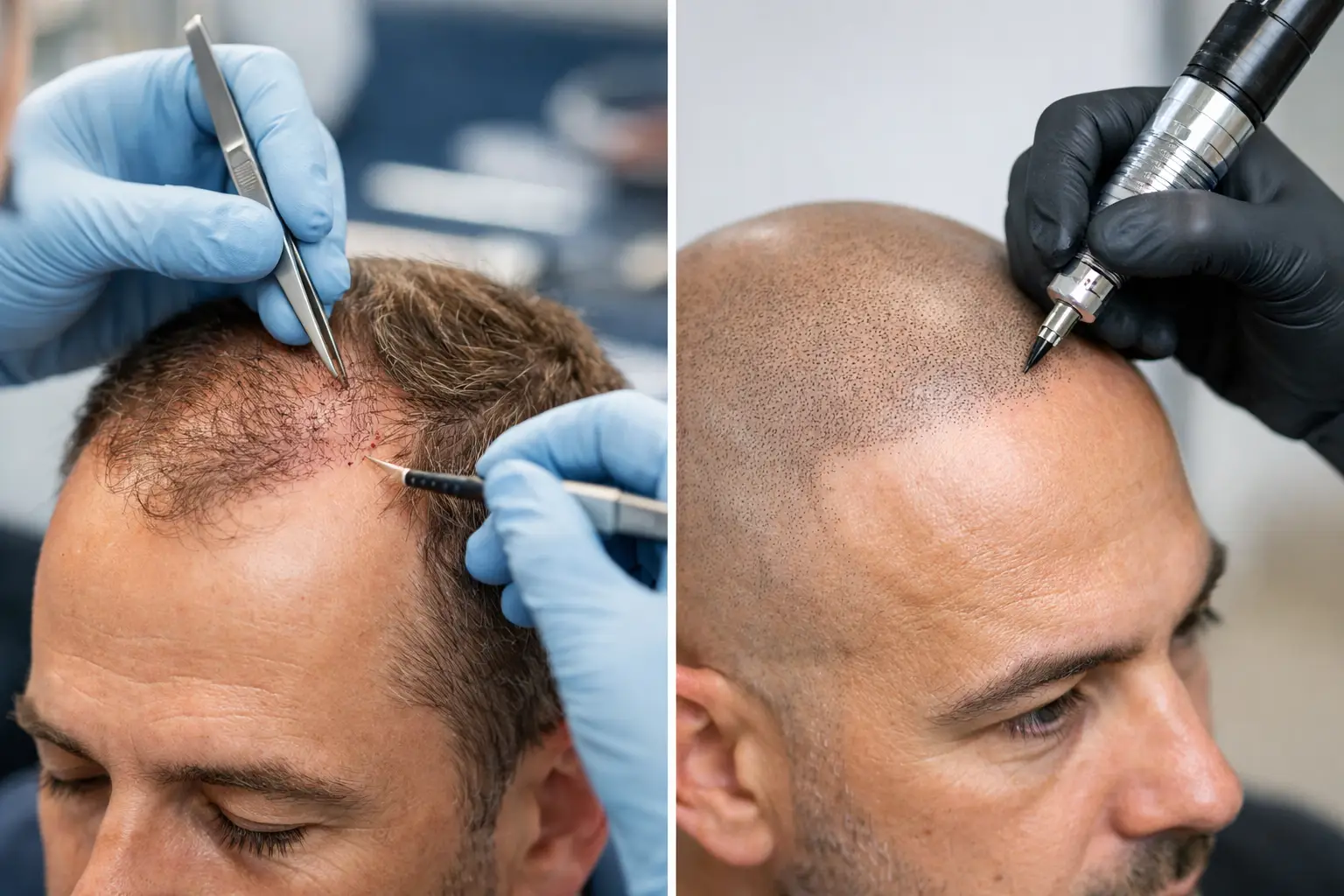
A hair transplant is a medical procedure that moves healthy hair follicles from a donor area, usually the back or sides of the scalp, into areas affected by thinning or baldness. The goal is real hair growth in places where hair has been lost.
Scalp micropigmentation, often called SMP, is not hair restoration. It is a cosmetic treatment that places tiny pigment deposits into the scalp to replicate the look of hair follicles or reduce the contrast between the scalp and existing hair. The result is an illusion of density rather than new hair.
That distinction matters. If you want to style, cut, and grow your own hair in previously thinning areas, a transplant is the more direct solution. If you want a sharper hairline, a buzz-cut look, or the appearance of thicker hair without surgery, SMP may be the better fit.
Who is usually a better candidate for each option?
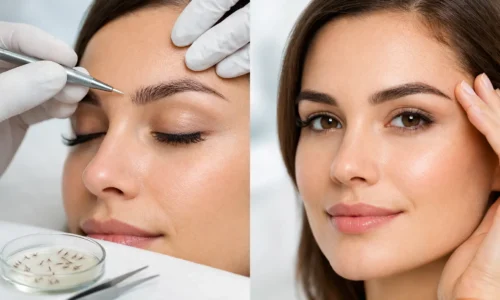
Hair transplant candidates generally need a stable donor area and realistic expectations about what can be achieved. This treatment often suits men and women with pattern hair loss, thinning hairlines, temple recession, or crown loss where enough healthy follicles remain for redistribution. It also works well for beard, mustache, and eyebrow restoration in the right case.
SMP tends to suit patients who want visual improvement without surgery, those who keep their hair very short, or those who are not ideal transplant candidates due to limited donor supply, certain scalp conditions, or extensive baldness. It can also be useful for concealing transplant scars or making thinning areas look denser.
Sometimes the best answer is not one or the other. It is common for carefully selected patients to combine both. A transplant can rebuild the hairline or add real growth in key areas, while SMP can enhance the look of density between hairs.
If your goal is a natural hairline
A well-planned transplant usually offers more flexibility because it creates actual hair that grows. That means the hairline can be shaped, softened, and matured in a way that moves naturally with your face.
SMP can create the appearance of a defined hairline, but it remains a visual effect. It can look excellent, especially on very short hairstyles, yet it does not behave like growing hair up close or in changing lengths.
If your goal is to look fuller without surgery
SMP often has the advantage. It can quickly reduce the contrast between hair and scalp, which is one of the main reasons thinning looks more noticeable. For patients with diffuse thinning, that simple shift can make the hair appear significantly fuller.
Results: what you actually see after treatment
Hair transplant results take time. Transplanted follicles typically shed first, then begin producing new growth over the following months. Final results develop gradually, which is frustrating for some patients but rewarding for those who want a long-term change. When performed properly, the outcome can look very natural.
SMP results are visible much faster. After the treatment sessions are completed and the scalp settles, the cosmetic improvement is already there. For many patients, that speed is part of the appeal.
The trade-off is simple. A transplant offers real hair but requires patience. SMP offers immediate visual definition but does not create actual strands.
Maintenance and longevity
This is where many people make the wrong comparison. They assume SMP is temporary and transplants are permanent, so the decision sounds obvious. In reality, longevity depends on what you mean.
Transplanted follicles are generally long-lasting because they come from areas genetically more resistant to pattern baldness. But your non-transplanted native hair may continue to thin over time. That means some patients need medical management, future procedures, or both to maintain an even appearance.
SMP does not grow out, but pigment can fade gradually and may need touch-ups to stay crisp and natural-looking. Sun exposure, skin type, pigment depth, and aftercare all affect how long it lasts.
So yes, a transplant is often the more durable biological solution. But it is not maintenance-free, especially if hair loss is ongoing.
Cost: upfront price versus long-term value
The cost conversation should be honest. SMP often has a lower upfront cost than a hair transplant, which makes it attractive to patients who want a visible result without a larger initial investment.
A transplant usually costs more because it is a medical procedure requiring surgical skill, graft planning, donor management, and follow-up care. But if your goal is real hair growth, the long-term value can be stronger because you are investing in living follicles rather than a cosmetic camouflage effect.
That said, value is personal. If your hairstyle is always closely shaved and you want a clean, defined look, SMP may deliver exactly what you need at a lower entry cost. If you want to run your fingers through real hair again, SMP will not replace a transplant no matter how well it is done.
Downtime, discomfort, and recovery
Hair transplants are minimally invasive, but they are still medical procedures. You should expect some recovery time, temporary redness, scabbing, and a healing period before the scalp returns to normal. Most patients find the process very manageable, especially with proper planning and expert care, but it is not a same-day cosmetic shortcut.
SMP usually involves less downtime. There may be mild redness or scalp sensitivity after each session, but recovery is generally simpler and faster.
If avoiding surgery is your top priority, SMP has the clear advantage. If your priority is a restorative solution that produces actual growth, the extra recovery associated with a transplant may be worth it.
Hair transplant versus scalp micropigmentation for different hair loss patterns
For a receding hairline, a transplant often makes the most sense if donor hair is strong and the goal is a natural, age-appropriate frame for the face. SMP can mimic a hairline too, but it is most convincing when paired with very short hair.
For crown thinning, either option can work depending on the amount of loss. A transplant may restore real coverage, while SMP can reduce visible scalp show-through and create the impression of better density.
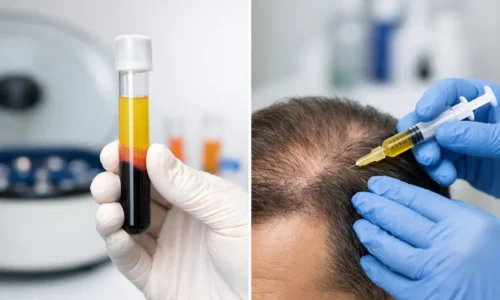
For diffuse thinning, especially in patients who still have hair but can see too much scalp, SMP is often underestimated. It can be an effective visual solution. In some cases, combining it with PRP or a transplant plan creates a more complete result.
For advanced baldness, the decision becomes more nuanced. A transplant is limited by donor supply, and not every patient can achieve full density surgically. SMP can sometimes produce a stronger cosmetic outcome than an overly ambitious transplant plan.
What most patients really need: a personalized plan
The best treatment is not the one that sounds more advanced. It is the one that matches your scalp, donor capacity, pattern of loss, grooming habits, and expectations.
That is why consultation matters. A good clinic will not push every patient toward surgery, and it should not present SMP as a replacement for real growth when it is not. Instead, the evaluation should look at your current hair density, family history of loss, future progression, and the kind of result you will still feel comfortable with years from now.
At a specialist center such as A H T Aesthetic Medical Center, that planning process is where better outcomes begin. The right recommendation should feel precise, not generic.
Which option is right for you?
Choose a hair transplant if you want actual hair growth, have a suitable donor area, and are comfortable waiting for gradual results. It is often the better option for rebuilding hairlines, filling specific areas, and creating a natural look you can cut and style.
Choose scalp micropigmentation if you want faster cosmetic improvement, prefer to avoid surgery, wear your hair very short, or need to create the appearance of density rather than restore growth.
Choose both if you need real restoration in some areas and visual density support in others. For the right patient, that combination can be highly effective.
A good result starts with asking the right question. Not which treatment is better overall, but which one solves your version of hair loss in a way that still feels right six months and six years from now.