Thin brows can change the entire balance of your face. If you have spent years filling gaps with pencils, powders, or tinting products, it makes sense to ask a very practical question before considering treatment: is eyebrow transplant permanent? The short answer is yes, in most cases the transplanted follicles are intended to be permanent. But permanence does not mean every graft survives, every result looks the same, or maintenance is never needed.
Is eyebrow transplant permanent in real terms?
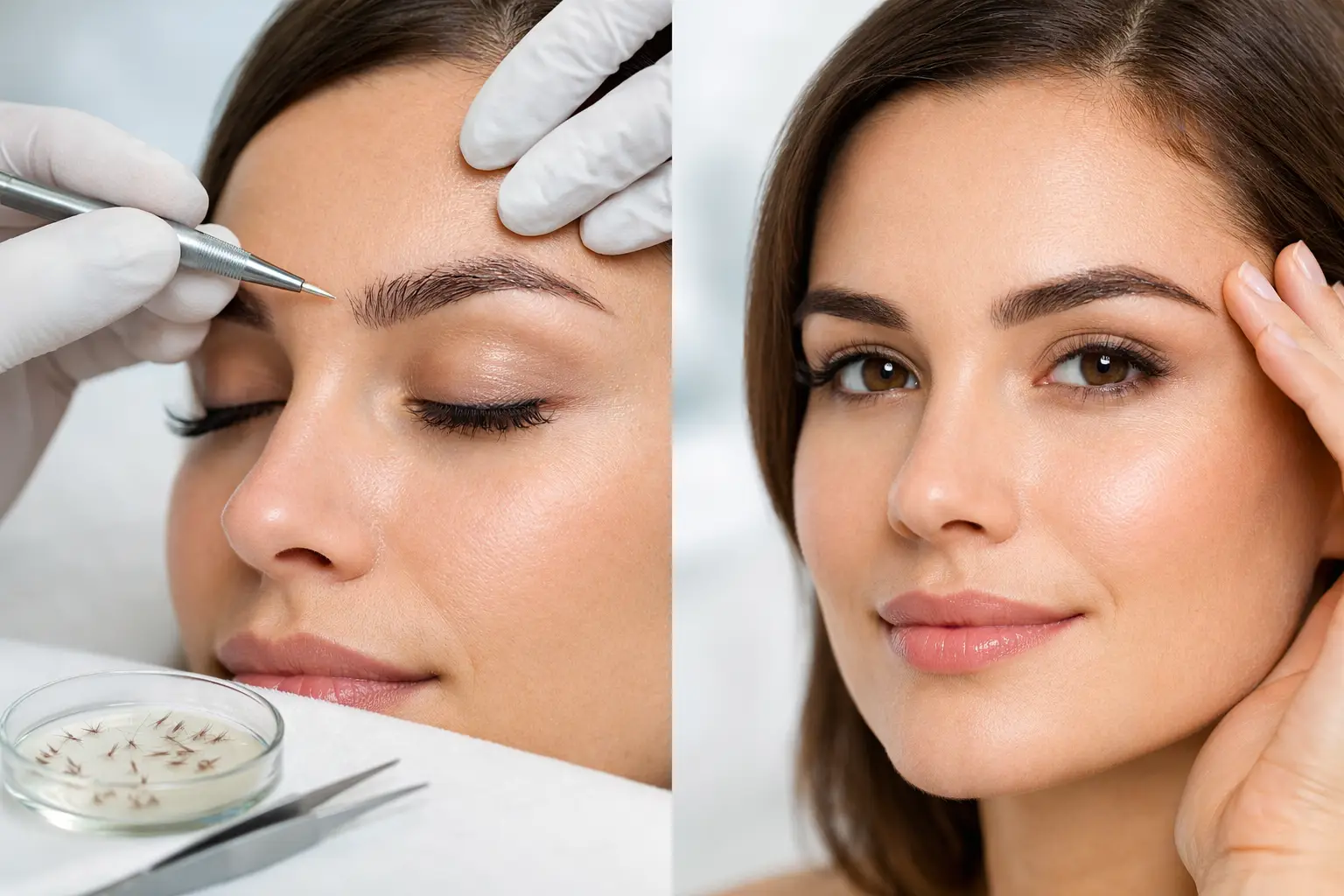
An eyebrow transplant works by moving healthy hair follicles, usually taken from the scalp, into the brow area. Once those follicles heal and establish a blood supply, they continue to grow hair in their new location. That is why eyebrow transplant results are generally considered permanent.
The key detail is that the follicles are living tissue. If the grafts heal well and survive the early recovery phase, they are meant to keep producing hair long term. This is very different from temporary solutions like makeup, microblading, or topical products that wash off, fade, or require regular touch-ups.
That said, permanent does not mean identical to natural eyebrow hair in every way. Most donor hairs come from the scalp, so they may grow longer or faster than native brow hair. Patients often need to trim them regularly to keep the shape natural and polished.
What makes the result last?
The permanence of an eyebrow transplant depends on more than the procedure itself. It depends on graft quality, surgical technique, healing, and the condition of your skin and underlying hair loss pattern.
A well-planned transplant places individual follicles at very precise angles and directions so the brows grow naturally across the arch and tail. This is especially important because eyebrow hair does not grow straight out. It lies flat against the skin and changes direction in different parts of the brow. If placement is off, the hair may still grow, but the result may look unnatural.
Survival also depends on aftercare. In the first days and weeks, the grafts are delicate. Rubbing, picking scabs, applying unapproved products, or returning to intense activity too early can affect healing. Even a technically strong procedure can be compromised by poor aftercare.
Your medical history matters too. If eyebrow thinning is caused by overplucking alone, transplant results are often very predictable. If thinning is related to autoimmune disease, scarring, thyroid imbalance, or ongoing skin inflammation, the answer becomes more nuanced. In those cases, the transplanted follicles may face a less stable environment, and long-term success may depend on treating the underlying issue first.
What to expect after surgery
One reason some patients worry that their transplant has failed is that the early recovery process can be confusing. Right after the procedure, the brows look fuller because the transplanted hairs are visible immediately. Then many of those hairs shed in the following weeks. This is normal.
The follicles remain under the skin and enter a resting phase before producing new growth. Most patients begin to notice new eyebrow hair growth a few months later, with more visible improvement over time. Final results typically take patience. Brows do not appear fully settled overnight, and density builds gradually.
This timeline matters when discussing permanence. The first hairs you see are not the final story. What matters most is whether the follicles survive and begin a new growth cycle.
Are all transplanted hairs permanent?
Not every graft survives, and that is true of all hair transplant procedures. A certain amount of loss can happen even with excellent technique and careful aftercare. The goal is strong graft survival and a natural-looking brow, not mathematical perfection.
Some patients achieve their desired density in one session. Others may want a second procedure later to increase fullness, refine shape, or address an area where survival was lower than expected. This does not mean the treatment is temporary. It means eyebrow design is detailed work, and results can be tailored over time.
It is also worth understanding that your existing non-transplanted eyebrow hairs can still thin with age, hormonal changes, or medical conditions. The transplanted follicles may remain, but your overall brow appearance can still evolve. That is another reason a personalized consultation matters.
Who is a good candidate for long-lasting results?
The best candidates usually have stable hair loss, enough healthy donor hair, and realistic expectations about density and grooming. They may have sparse brows from overplucking, genetics, trauma, or naturally thin eyebrow shape.
Patients with active skin disorders, uncontrolled medical conditions, or forms of hair loss that are still progressing may need additional evaluation first. In some cases, a transplant should be delayed until the cause of eyebrow loss is better controlled.
This is where medical oversight makes a difference. A proper assessment does more than confirm whether you can have the procedure. It helps identify whether you are likely to get a result that actually lasts.
How eyebrow transplants compare with other brow treatments
Many patients compare transplant surgery with microblading, brow lamination, serums, or makeup. Each has a place, but they serve different goals.
Microblading creates the look of fuller brows with pigment, but it fades over time and requires touch-ups. Brow makeup gives immediate control, but it is a daily routine. Serums may help in some cases, but they do not rebuild a clearly sparse or scarred brow in the way a transplant can.
An eyebrow transplant is the option designed to create real hair growth. For patients who want a long-term solution instead of repeated cosmetic maintenance, that is the biggest advantage. The trade-off is that it is a surgical procedure, so it requires planning, healing time, and careful provider selection.
What affects natural-looking permanent results?
Permanence is only part of the decision. Most patients also want to know whether the result will look soft and believable.
Natural outcomes depend heavily on artistry. The surgeon must choose suitable donor hairs, create a flattering shape that fits your face, and place each graft at the right angle. Brows that are too dense, too sharply outlined, or incorrectly directed can draw attention for the wrong reason.
There is also a balance between fullness and realism. Not every patient needs a dramatic brow. Often, the best result is one that quietly restores symmetry, fills gaps, and supports your natural facial expression.
At a specialized center such as A H T Aesthetic Medical Center, this planning process is a major part of treatment because brow restoration is not simply about moving hair. It is about restoring proportion and confidence with a result that feels like your own.
Questions to ask before booking
If you are considering treatment, ask how the brow shape will be designed, where the donor hairs will come from, what growth timeline to expect, and how often trimming is usually needed after healing. You should also ask whether your current hair loss pattern seems stable and whether any medical cause should be addressed first.
These questions help you move past marketing language and focus on the outcome that matters: lasting growth that looks natural on your face.
So, is eyebrow transplant permanent?
For most suitable candidates, yes. The transplanted follicles are intended to keep growing long term once they successfully heal, which makes eyebrow transplantation a permanent hair restoration option. The important nuance is that permanence depends on good candidacy, skilled technique, proper aftercare, and realistic expectations about growth patterns and maintenance.
If you are tired of temporary fixes and want real hair where your brows have become sparse, an eyebrow transplant can be a strong long-term solution. The best next step is not guessing from photos online. It is sitting down with an experienced medical team that can assess your skin, hair, goals, and overall suitability so your result lasts for the right reasons.