Not all thinning hair is the same, and that is why the right hair loss treatment for women starts with one step many people skip – finding out what is actually causing it. A widening part, extra shedding in the shower, visible scalp near the crown, or patches around the hairline can look similar at first, but they do not always come from the same issue. Treating the wrong cause wastes time, money, and confidence.
For many women, hair loss feels personal in a way few other cosmetic concerns do. It can change how you style your hair, how you show up at work, and how comfortable you feel in photos or bright lighting. The good news is that effective treatment exists. The better news is that modern care is far more tailored than the one-size-fits-all products that crowd the market.
Why hair loss in women needs a tailored approach
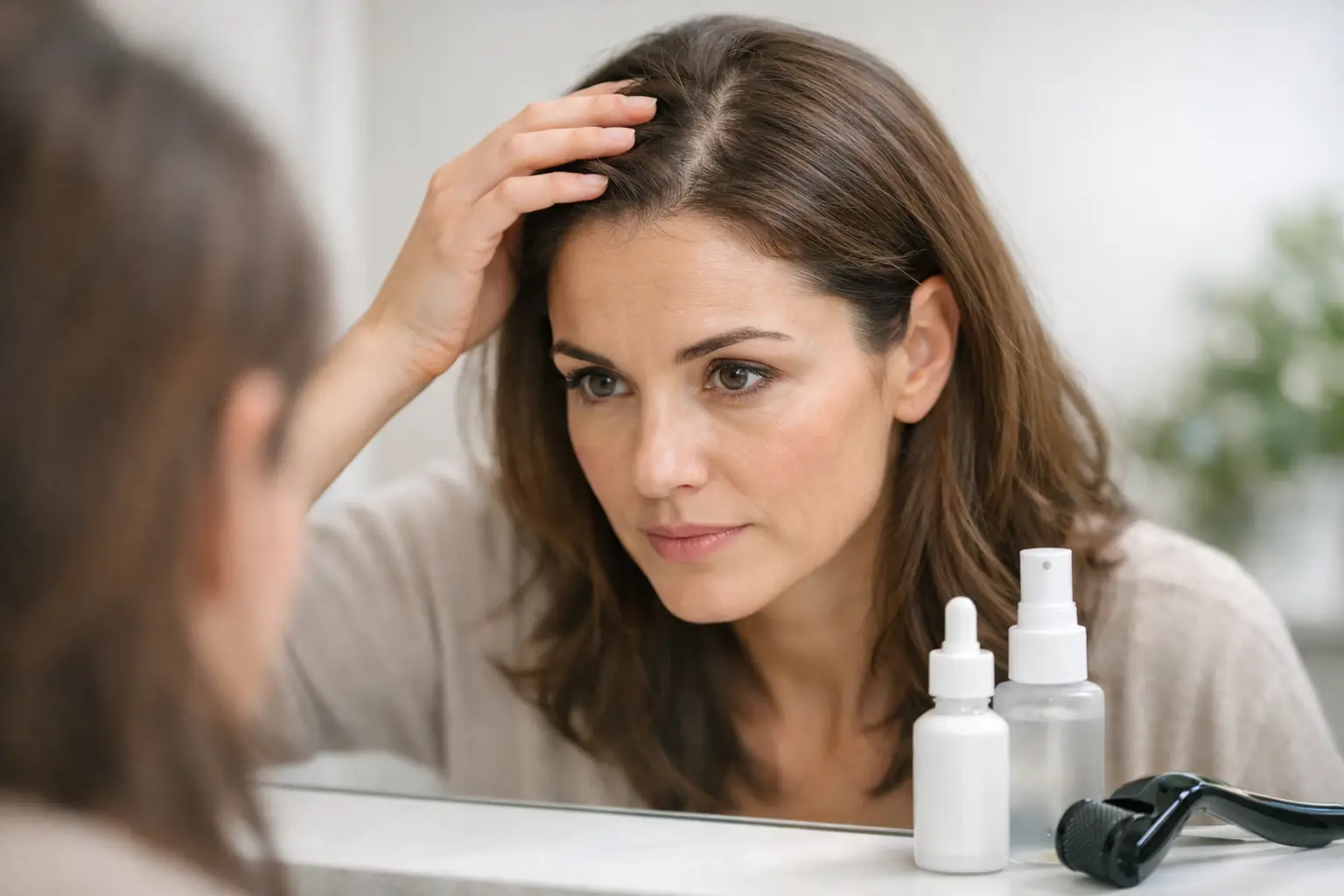
Women experience hair loss differently than men. Instead of a receding hairline or obvious bald spots, many women notice diffuse thinning, reduced density, or gradual changes that are easy to dismiss until they become harder to hide. Hormones, stress, genetics, nutrition, medical conditions, and styling damage can all play a role. Sometimes more than one factor is involved at the same time.
That is why treatment should begin with assessment, not assumptions. A woman with postpartum shedding needs a different plan than someone with female pattern hair loss. A patient with nutritional deficiencies or thyroid imbalance may not respond well to cosmetic solutions alone. If inflammation or scalp disease is part of the picture, ignoring it can delay results.
This is also where medically guided care makes a real difference. Instead of trial and error, patients can move toward options that match the pattern, cause, and stage of their hair loss.
Common causes behind female hair thinning
Female pattern hair loss is one of the most common reasons women seek treatment. It usually appears as overall thinning through the top of the scalp or a part line that gradually becomes wider. Genetics often plays a major role, and the progression is usually slow, which can make it harder to recognize early.
Telogen effluvium is another frequent cause. This form of shedding often happens after physical or emotional stress, illness, surgery, rapid weight loss, childbirth, or significant hormonal change. It can feel dramatic because the shedding is sudden, but it does not always mean permanent loss.
Hormonal shifts linked to menopause, PCOS, thyroid issues, or changes in birth control can also affect growth cycles. In other cases, low iron, low protein intake, vitamin deficiencies, scalp inflammation, or traction from tight hairstyles may be contributing factors. The same symptom – thinner hair – can sit on top of very different medical realities.
Hair loss treatment for women: what actually works?
The most effective hair loss treatment for women depends on diagnosis, severity, and expectations. Some women respond well to non-surgical treatments that support existing follicles. Others may benefit from regenerative therapies or, in select cases, hair transplant procedures designed to restore density in areas where growth is no longer recovering.
A medically supervised plan often combines more than one option. That matters because hair growth is slow, and no serious treatment works overnight. The goal is usually to reduce ongoing shedding, improve follicle health, and encourage stronger regrowth over time.
Topical and medication-based options
For women with pattern thinning, topical treatment may help prolong the growth phase and support hair density. This can be effective, especially in early to moderate stages, but consistency is essential. Results usually take months, not weeks, and stopping treatment may lead to loss of progress.
In some cases, oral medications may be considered, particularly when hormones are part of the picture. These are not appropriate for every patient, and they require proper review of medical history, pregnancy planning, and possible side effects. This is where professional guidance matters most. What is suitable for one woman may be the wrong choice for another.
PRP and regenerative treatments
Platelet-rich plasma, often called PRP, is a popular non-surgical option for women who want to strengthen thinning hair and support natural growth. The treatment uses concentrated growth factors from the patient’s own blood and delivers them into the scalp to stimulate follicles.
PRP can be especially helpful for women in the earlier stages of hair thinning or those looking to improve density alongside other treatments. It is not a miracle cure, and it works best with realistic expectations, but many patients value it because it is minimally invasive and fits into a broader treatment plan. Some clinics may also recommend PRF or related regenerative approaches depending on the case.
Hair transplant for women
Not every woman with hair loss is a transplant candidate, but for the right patient, it can offer long-term improvement in areas where density has been permanently reduced. Female hair transplant procedures are often used for thinning along the hairline, temple recession, eyebrow restoration, or areas where hair no longer returns after trauma or overplucking.
The key is candidacy. Women with stable donor hair and localized thinning often do better than those with active diffuse loss across the entire scalp. This is one reason an experienced hair restoration clinic will not rush the process. A good plan protects both the donor area and the final result.
When performed well, modern transplant techniques are designed to create natural-looking growth patterns rather than the obvious, plug-like results people still worry about from outdated procedures.
What to expect from a proper consultation
A strong consultation should feel clear, not sales-driven. You should expect a review of your hair loss history, medical background, scalp condition, family patterns, and lifestyle factors that may be affecting growth. In some cases, additional medical evaluation or lab work may be recommended before treatment begins.
This stage is valuable because it helps answer the questions most women actually have. Is the hair loss temporary or progressive? Is there still active follicle function to work with? Will non-surgical treatment be enough, or is restoration the better path? How long will results take, and what maintenance is realistic?
Good care also includes honesty. If your hair loss is linked to an untreated medical issue, the right provider should say so. If a procedure is unlikely to deliver the result you want, that should be addressed early. Confidence comes from clarity, not overpromising.
How to choose the right clinic for hair loss treatment for women
The best clinic is not simply the one offering the longest list of services. It is the one that can match treatment to diagnosis and explain why that recommendation makes sense for you. Hair loss in women requires both aesthetic judgment and medical understanding.
Look for a provider with direct experience in female hair restoration, regenerative treatments, and scalp-based assessment. Before-and-after results matter, but so does the quality of the consultation. You want a team that understands how women describe hair loss, how it affects confidence, and how to build a plan that feels practical as well as effective.
For patients considering advanced care, especially in a medically driven aesthetic setting such as A H T Aesthetic Medical Center, the value often lies in having multiple treatment paths available under one roof. That allows for a more personalized approach rather than forcing every patient into the same solution.
Results take time, but the right plan changes the trajectory
One of the biggest mistakes women make is waiting until thinning becomes severe before seeking help. Early intervention usually gives you more options. Even when regrowth is possible, preserving existing hair is often just as important as restoring what has been lost.
It also helps to think in timelines instead of instant fixes. Many treatments need three to six months before visible improvement begins, and some require ongoing maintenance. That may sound frustrating, but gradual progress is still progress. Stronger strands, less shedding, and better density can make a meaningful difference in how your hair looks and how you feel.
If your hair is getting thinner, the smartest next step is not guessing. It is getting a proper assessment, understanding the cause, and choosing a treatment plan that fits your hair, your goals, and your stage of loss. The sooner that starts, the more control you gain over what happens next.