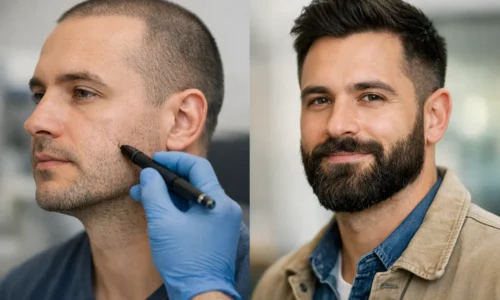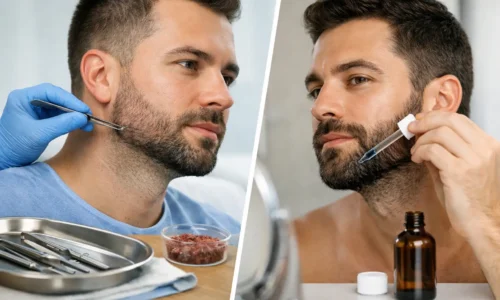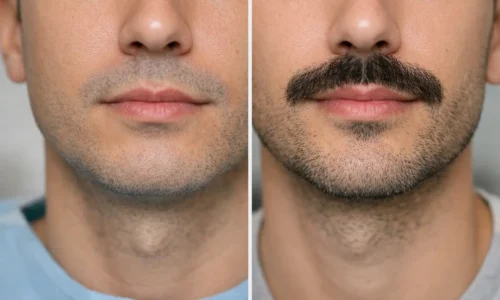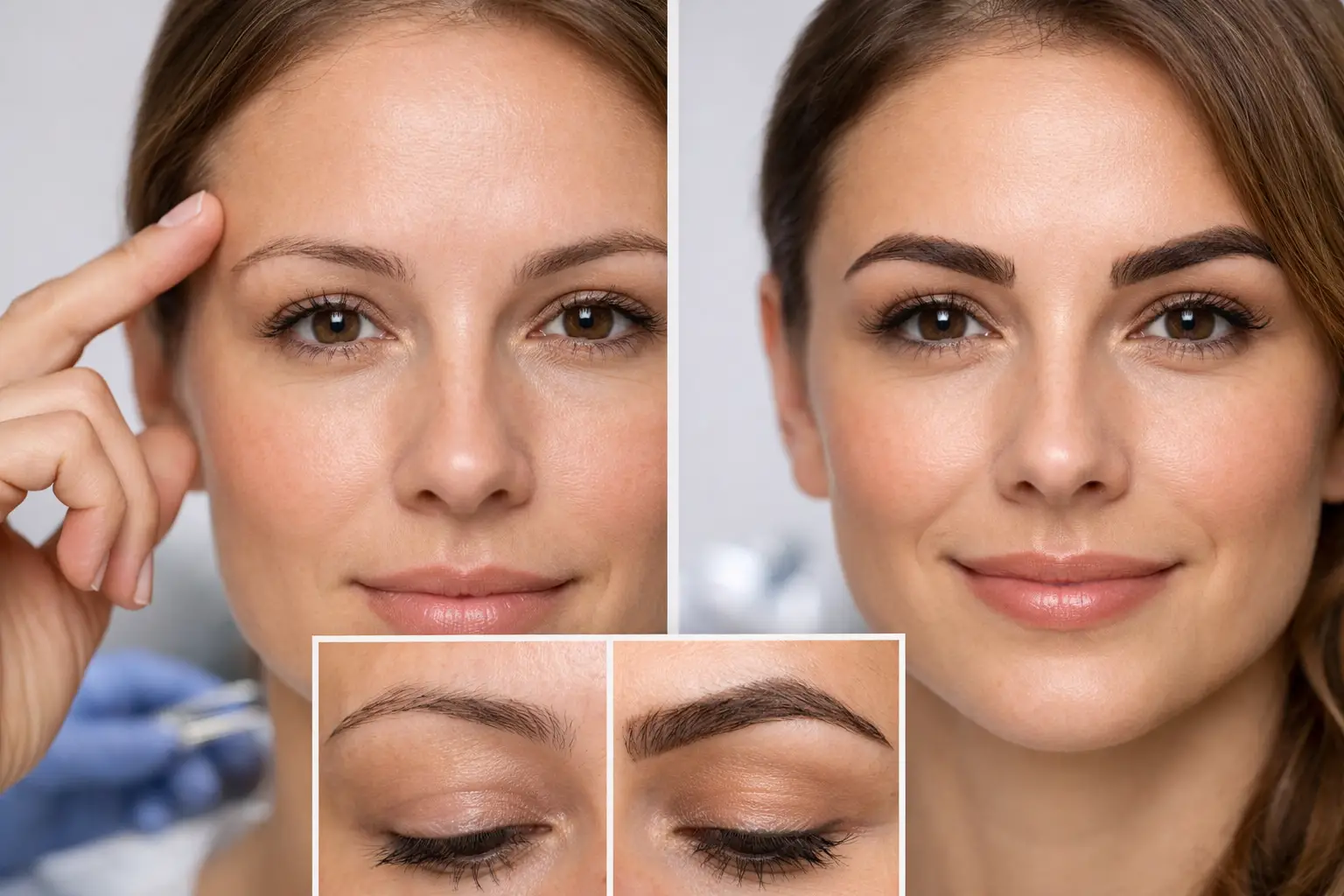
The first thing most patients want to see is eyebrow transplant before after results – not just a polished photo, but a realistic sense of what changes, how long it takes, and whether the final look will suit their face. That question is valid. Brows frame expression, balance facial features, and can make a surprisingly big difference in how rested, polished, or youthful someone looks.
For many people, eyebrow loss or thinning is not just cosmetic. Overplucking, genetics, scarring, hormonal changes, thyroid issues, and aging can all leave brows sparse or uneven. Makeup helps, but it is temporary. Microblading can create the illusion of fullness, but it does not restore actual hair. An eyebrow transplant is different because it uses your own hair to rebuild shape and density in a way that can look very natural when planned well.
What eyebrow transplant before after results really show
Before-and-after images can be helpful, but they only tell part of the story. A strong result is not simply about making the brows darker or thicker. The best outcomes come from careful design, correct hair angle placement, and a shape that fits your bone structure, eye area, and natural facial proportions.
In the before stage, patients often have patchy tails, overplucked arches, visible gaps, or brows that have become thin over time. Some have one eyebrow that sits differently from the other. Others have scar-related hair loss or naturally light density that never responded to serums or topical treatments.
After the transplant, the change should look believable, not harsh. The brow line usually appears fuller, the arch more defined, and the tail more complete. In well-executed cases, the improvement is noticeable without looking overly drawn-on or artificial. That balance matters. Brows that are too dense, too flat, or poorly angled can dominate the face in the wrong way.
The timeline behind eyebrow transplant before after results
One reason patients feel confused is that eyebrow transplant results do not appear overnight. The early after photos and the true final outcome can look very different.
Right after the procedure
Immediately after treatment, the transplanted area may look more filled in because the grafted hairs are in place. There can also be mild redness, tiny crusts, or slight swelling. This stage is temporary and should not be mistaken for the final cosmetic result.
The first few weeks
It is common for transplanted hairs to shed after the procedure. This can be unsettling if you are not expecting it, but it is part of the normal cycle. The follicles remain in place beneath the skin and begin preparing for new growth.
Months two to four
This is often the patience phase. Early regrowth may start, but density is still limited. Some hairs come in finer at first, and the brows can look uneven as different follicles enter growth at different times.
Months six to twelve
This is when eyebrow transplant before after results become much more meaningful. Most patients begin to see better fullness, clearer shape definition, and improved consistency across the brow. Final maturation continues over time, so the result at one year is a much better measure than the result at one month.
What makes results look natural
Natural-looking eyebrows depend on far more than simply placing hairs into the skin. Technique is critical, but so is restraint.
The direction of each implanted hair matters because eyebrow hair does not grow straight upward like scalp hair. It follows subtle shifts across the head of the brow, the arch, and the tail. If grafts are not placed at the right angle, the result can look wiry or unruly.
Hair selection also plays a major role. Finer donor hairs are generally preferred because eyebrow hair is softer and more delicate than typical scalp hair. The design must also consider your existing brow pattern, facial symmetry, and the level of density that will still look believable in daily life.
This is why one patient’s ideal result may not suit another. A bold, highly defined brow can work beautifully on one face and look too strong on another. Good planning takes personality, features, and grooming preferences into account.
Factors that affect eyebrow transplant results
Not every result looks the same, and that is not necessarily a problem. Variation is normal because each patient starts from a different place.
If you have complete eyebrow loss, your transformation may be more dramatic than someone who only needs a subtle fill-in of the tail. If there is scar tissue in the area, growth may still be possible, but the pattern and density can be less predictable. Skin type, healing response, donor hair quality, and aftercare all influence the final outcome.
There is also the question of expectation. A transplant can create fuller, more defined brows, but it should not be viewed as a stencil. Real eyebrows have softness, slight variation, and natural movement. Patients who want realistic enhancement tend to be happiest with their results.
Common concerns when comparing before and after photos
Many online galleries show ideal lighting, makeup-free skin, and a single flattering angle. That does not make the results false, but it can make them look simpler than they are.
When reviewing photos, it helps to look for consistency. Do the after brows suit the person’s face? Is the shape too trendy, or does it look timeless? Are both close-up and full-face views available? A good result should hold up in real life, not only in a cropped image.
Patients should also remember that transplanted eyebrow hairs often need trimming because donor hair typically comes from the scalp. That is normal. The goal is real hair growth in the brow area, but it does come with maintenance. For many people, that is a worthwhile trade-off compared with filling in brows every day.
Who tends to get the best eyebrow transplant outcomes
Patients with stable eyebrow thinning, realistic goals, and good donor hair usually do well. Those who are frustrated by years of overplucking, have naturally sparse brows, or want to improve brow shape after hair loss often see meaningful improvement.
The best candidates are also willing to follow aftercare instructions carefully. Rubbing, scratching, or disturbing the area too soon can affect graft survival. A medically guided treatment plan makes a difference here because small details matter in delicate procedures like eyebrow restoration.
At a specialist clinic such as A H T Aesthetic Medical Center, the focus should be on customizing the brow design rather than forcing the same template on every patient. That patient-specific planning is often what separates an average result from one that looks refined and natural.
What to expect emotionally after the procedure
There is a practical side to eyebrow transplants, but there is also an emotional one. Brows affect how people feel when they leave the house without makeup, join a video call, or catch themselves in bright lighting. Small cosmetic changes can have a real impact on confidence.
That said, the waiting period can test your patience. It is normal to feel excited right after treatment, then uncertain during shedding, then relieved once growth begins. Understanding that emotional arc ahead of time helps patients stay realistic and calm during recovery.
Are before and after results permanent?
The transplanted follicles are intended to be long-lasting. Once growth is established, the new hairs should continue to grow. But permanence does not mean zero maintenance or zero change over time.
Because the donor hairs keep characteristics of where they came from, regular trimming is usually needed. Some patients also use light grooming products to keep the hairs lying neatly in the right direction. Over the years, natural aging and hormonal changes can still affect surrounding non-transplanted hairs, so your brows may continue to evolve gradually.
The result that matters most
The strongest eyebrow transplant results are not always the most dramatic ones. Often, the best outcome is when someone looks more balanced, more polished, and more like themselves – just with fuller brows that no longer need daily correction.
If you are researching eyebrow restoration, focus less on instant transformation and more on quality of planning, technique, and long-term realism. The right result should fit your face when you wake up, when you are makeup-free, and when no one knows you had a procedure at all.
A good eyebrow transplant does not need to announce itself. It should simply remove a daily frustration and let your features look complete again.