You have had your Botox appointment, the treatment was quick, and now the practical question is how to sleep after Botox injections without compromising your result. The reassuring answer is that most patients can sleep normally later that night. The key is to protect the treated area during the first few hours, avoid unnecessary pressure or rubbing, and follow the specific instructions from the medical professional who performed your treatment.
Botox is a prescription neuromodulator injected into selected muscles to soften lines or address other clinical concerns. It does not require a difficult recovery period, but thoughtful aftercare can help minimize swelling, bruising, and irritation while the injection sites settle.
Wait Before Lying Down
The most common instruction after Botox is to remain upright for around four hours. During this window, avoid lying flat, taking a nap, or reclining for an extended period. Sitting, standing, walking gently, and continuing with calm daily activities are generally fine.
This advice is precautionary. It is intended to reduce the chance of placing pressure on freshly treated areas and to support proper early settling of the product. Your injector may recommend a different timeframe based on the areas treated, the amount used, your medical history, or any additional procedure performed during the same visit. Their instructions should always take priority.
If your appointment was late in the day, plan ahead. Stay upright until your recommended waiting period has passed, then go to bed at your usual time rather than trying to sleep uncomfortably early.
How to Sleep After Botox Injections: Best Positions
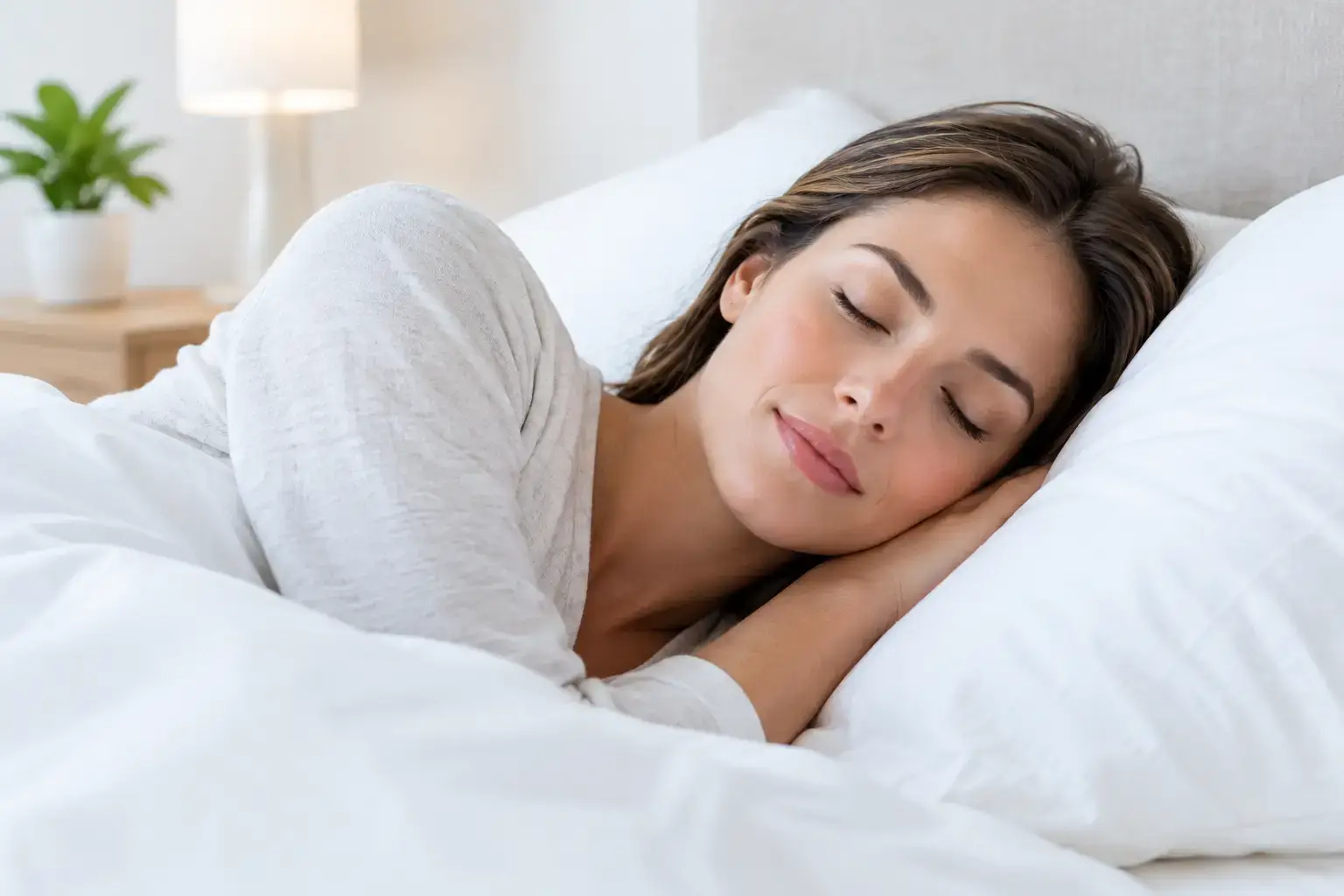
Once you are cleared to lie down, sleeping on your back with your head slightly elevated is usually the most comfortable choice for the first night. Use an extra pillow or a wedge pillow if you already have one. Gentle elevation may help limit morning puffiness, particularly after injections in the forehead, between the brows, or around the eyes.
Back sleeping also reduces direct contact between your face and the pillow. That said, do not panic if you naturally turn onto your side while asleep. A brief change in position is unlikely to ruin your Botox result. The practical goal is simply to avoid sustained pressure, vigorous rubbing, or face-down sleeping on the first night when possible.
Stomach sleeping is best avoided for that first night because it presses the face into bedding and may make tenderness or minor swelling feel worse. If you are a dedicated stomach sleeper, arrange pillows around your body to make rolling forward less likely. A travel pillow can also help some people remain on their back more comfortably.
If You Had Botox in the Forehead or Eye Area
For forehead lines, frown lines, or crow’s feet, keep your face free from pressure as much as possible. Choose a clean, smooth pillowcase and avoid sleeping with your arm, hand, or a heavy eye mask pressed over the treated area.
Do not tape your forehead, use facial compression devices, or wear a tight sleep mask unless your injector has specifically advised it. These measures are not necessary after routine Botox and can irritate tender injection points.
If You Had Botox in the Jaw, Neck, or Other Areas
After masseter, neck, or lower-face treatment, comfort may guide your position more than strict back sleeping. Still, avoid pressing firmly on injection areas during the first night. If the jaw feels mildly sore, a neutral head and neck position with supportive pillows is often more comfortable than sleeping with the head twisted to one side.
For any less common treatment area, ask your injector for personalized positioning advice before leaving the clinic. Aftercare is not one-size-fits-all.
Keep Your Bedtime Routine Gentle
The first evening is not the time for an intensive skincare routine. You may cleanse your face gently if needed, using light hands and lukewarm water. Pat the skin dry rather than rubbing it with a towel. Avoid facial massage tools, gua sha, cleansing brushes, microcurrent devices, and aggressive exfoliants around the treatment area for at least 24 hours, or longer if directed.
It is also sensible to skip a facial, sauna, steam room, hot yoga class, and strenuous workout until the following day. Heat and vigorous activity can increase circulation and may make redness, swelling, or bruising more noticeable. In Dubai’s warm climate, this means avoiding prolonged outdoor heat and choosing a cool, comfortable bedroom that night.
Makeup can usually be applied later if your injector approves, but many patients prefer to leave the skin bare until the next morning. If you do wear makeup, use clean brushes and apply it with a very light touch.
Small Habits That Can Help You Sleep Comfortably
A little planning can make the first night easier. Change to a fresh pillowcase before your appointment so you are not thinking about laundry when you get home. Keep water by your bed, set the room to a comfortable temperature, and avoid alcohol that evening. Alcohol can increase flushing and bruising in some people, and it can also disrupt sleep.
If you experience minor swelling or sensitivity, do not repeatedly check or press the area. This can make it feel more tender. A cool compress may be appropriate for bruising or swelling, but place it lightly over the skin and never apply intense pressure. Ask your injector which approach is suitable for you, especially if you have had filler or another procedure at the same appointment.
Avoid starting new supplements or taking blood-thinning medication unless it is medically necessary or prescribed. Never stop prescribed medication solely because of Botox. Instead, discuss any medications, supplements, or concerns with the clinician managing your care.
What Is Normal the Next Morning?
Most people wake up with little more than tiny injection marks, mild redness, or a small bruise. These effects typically settle quickly. It is also normal not to see the final result immediately. Botox commonly begins to take effect over several days, with the full outcome often becoming clearer within 10 to 14 days.
Do not judge the result after one night’s sleep or assume it has shifted because one eyebrow looks slightly different the next morning. Facial muscles, lighting, fluid retention, and normal day-to-day asymmetry can all affect what you see. Give the treatment time to settle and attend any advised follow-up appointment.
When to Contact Your Injector
Botox treatment is generally well tolerated when performed by a qualified medical professional, but you should know when to seek advice. Contact your injector promptly if you develop increasing pain, significant swelling, spreading redness, a rash, or symptoms that feel unusual for you.
Seek urgent medical care for trouble breathing, swallowing, speaking, generalized muscle weakness, or signs of a serious allergic reaction, such as facial swelling or hives. These reactions are uncommon, but they should never be ignored.
A heavy eyelid, brow asymmetry, or an unintended change in expression can occasionally occur after upper-face treatment. These concerns are not usually an emergency, but contact your injector rather than trying to correct them yourself with massage, additional treatments, or online remedies. A trained clinician can assess the timing, severity, and appropriate next step.
A Calm First Night Supports a Confident Result
The best approach is simple: remain upright for the period your injector recommends, then sleep on your back with slight elevation if comfortable, and avoid pressing or rubbing your face. If you roll onto your side briefly, do not let that create unnecessary worry. Botox aftercare is about sensible precautions, not a perfect night of sleep.
A well-planned treatment starts with a qualified clinician who explains what to expect before you leave the appointment. If you are uncertain about a specific instruction, a quick call to your treating provider is the safest way to get reassurance tailored to your procedure.
Ready to explore your hair restoration options?
Complete a free Hair Analysis or book a consultation with AHT Aesthetic Medical Center in Dubai.
Ready to explore your hair restoration options?
Complete a free Hair Analysis or book a consultation with AHT in Dubai.