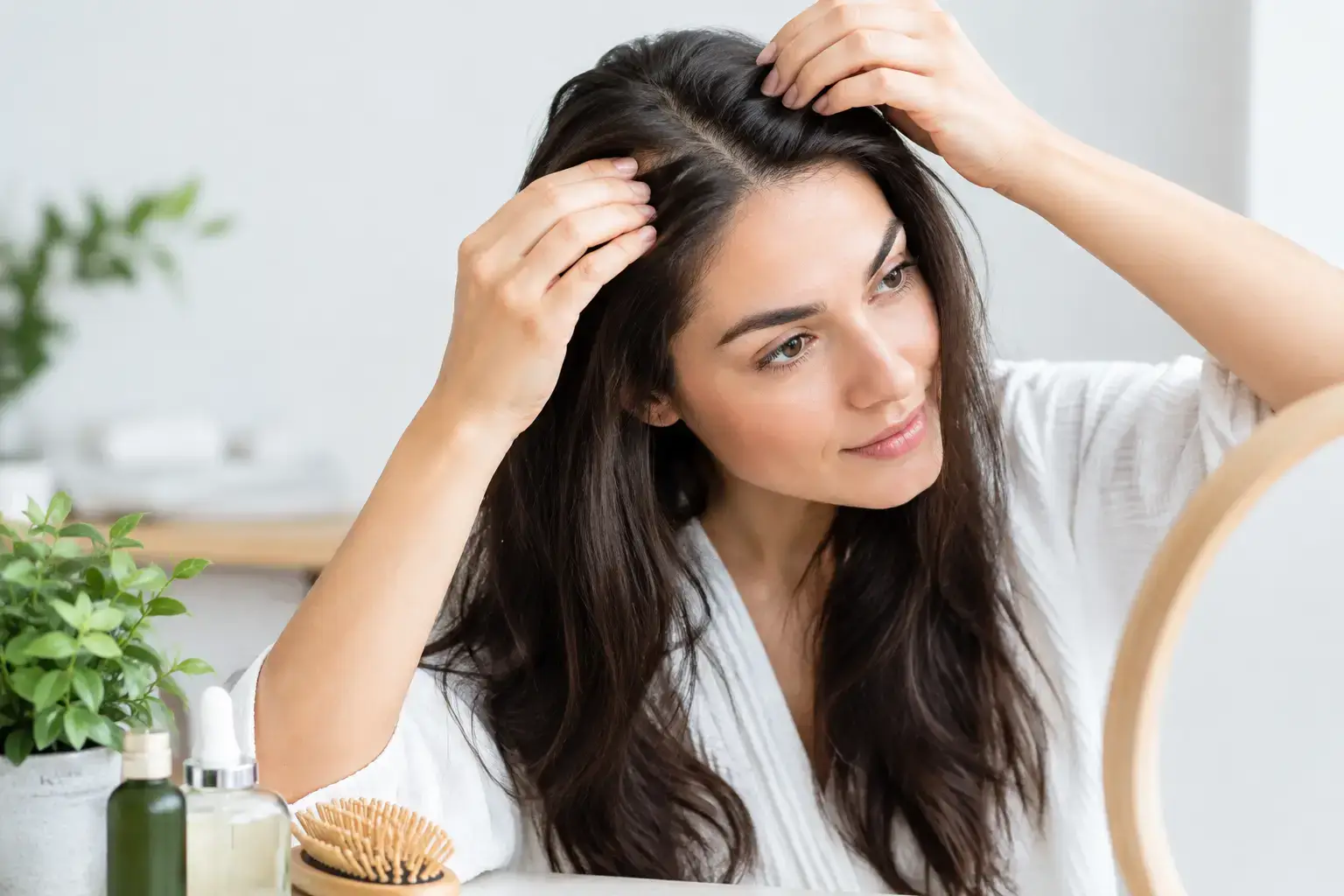
A healthy scalp is not always perfectly dry, perfectly oil-free, or completely free of shedding. It should, however, feel comfortable and support consistent hair growth. This scalp health checklist helps you recognize what deserves simple routine changes and what may require a professional hair-loss assessment.
For many men and women, the first concern is a receding hairline, widening part, or more hair in the shower. Yet the scalp can offer earlier clues: persistent itchiness, flakes that return quickly, tenderness, excessive oil, or thinning around a specific area. Paying attention to these signs can help you seek the right care before the concern becomes more noticeable.
Your Scalp Health Checklist: 8 Signs to Review
1. Your scalp feels comfortable most days
Mild, occasional itching after sweating or using a new product can happen. Ongoing itching, burning, soreness, or a tight sensation is different. These symptoms may be linked to irritation, dandruff, product sensitivity, inflammation, or a skin condition that needs medical evaluation.
Avoid aggressively scratching the area. Repeated scratching can damage the skin barrier and cause breakage in the hair shafts, making hair loss appear worse. If discomfort continues for more than a few weeks, or occurs alongside redness, scabs, or drainage, arrange a consultation rather than trying multiple harsh products at once.
2. Flaking is limited and manageable
A few loose flakes do not automatically mean poor scalp health. Dry indoor air, infrequent shampooing, styling-product buildup, and sweat can all contribute. In the UAE, heat and frequent washing after exercise may also leave some scalps feeling dry while others become oily more quickly.
The concern is persistent, visible flaking that returns soon after washing, especially when paired with redness or itchiness. A targeted anti-dandruff shampoo may help, but the right approach depends on whether the issue is simple buildup, seborrheic dermatitis, psoriasis, eczema, or contact irritation. More frequent washing is not always the answer.
3. Oil production is in balance
Scalp oil is protective. It helps maintain the skin barrier and gives the hair some natural flexibility. The goal is not to strip it away completely. A scalp that becomes greasy within hours of washing, smells unpleasant, or develops thick residue may need a change in cleansing habits or products.
On the other hand, a scalp that feels squeaky-clean, tight, and flaky after every wash may be over-cleansed. Consider a gentler shampoo, lukewarm rather than hot water, and fewer heavy styling products near the roots. If oiliness is severe or sudden, professional guidance can identify whether inflammation or another concern is contributing.
4. There is no persistent redness, scaling, or tenderness
Use a mirror or ask someone you trust to look at your scalp under good lighting, particularly along the hairline, crown, and part line. Healthy skin generally appears even in color for your natural complexion, without thick scales, painful bumps, or raw patches.
Redness may follow sun exposure, coloring, tight hairstyles, or a new product. If it does not settle after stopping the suspected trigger, do not ignore it. Chronic inflammation can interfere with comfort and may affect the environment around the follicles. Early assessment is particularly valuable when hair density is also changing.
5. Shedding is not suddenly increasing
It is normal to lose hair every day. What matters is a clear change from your usual pattern: larger clumps during washing, noticeable hair on your pillow, or a ponytail that feels thinner over several months. A temporary shedding episode can follow illness, major stress, childbirth, rapid weight loss, surgery, or nutritional changes.
Patterned thinning is another issue. Men may notice recession at the temples or thinning at the crown. Women may see a widening central part or reduced density around the top of the scalp. These changes can occur without itching or flaking, which is why a comfortable scalp does not always rule out progressive hair loss.
Take photographs in the same lighting every one to two months instead of relying only on memory. This makes gradual changes easier to see and gives a hair restoration specialist useful context during an assessment.
6. Hair is growing without frequent breakage
Breakage and shedding are not the same. Shed hairs usually have a tiny white bulb at one end, while broken hairs are shorter and uneven. Tight braids, extensions, frequent heat styling, bleaching, and chemical treatments can weaken the hair shaft or place tension on follicles.
If you regularly wear a tight hairstyle, loosen it and vary where tension falls. If you use hot tools, reduce the temperature and frequency. These adjustments may improve breakage, but they will not reverse genetic hair loss. A careful diagnosis helps prevent spending months treating the wrong problem.
7. Your products suit your scalp, not just your hair
A product can leave hair looking smooth while still irritating the skin underneath. Heavy oils, dry shampoo residue, fragranced sprays, and dense pomades may be difficult for some people to tolerate. This does not mean every styling product is harmful. It means your routine should match your scalp’s response.
Introduce one new product at a time and give it enough time to assess. If itching, bumps, redness, or unusual shedding starts soon after a new shampoo, dye, oil, or styling product, stop using it. Bring the product information to your appointment if the reaction persists.
8. You protect your scalp from sun, sweat, and friction
The scalp is skin, and exposed areas need sun protection. This is especially relevant when hair is thinning at the hairline or crown, or following a hair restoration procedure when your clinician advises sun avoidance. A breathable hat can be useful during prolonged outdoor exposure.
After exercise, rinse or wash when needed to remove sweat and product residue. Keep helmets, caps, brushes, and pillowcases clean, but avoid over-scrubbing. Good scalp care is consistent and gentle rather than aggressive.
When a Scalp Concern May Point to Hair Loss
A scalp-care routine can improve comfort and reduce buildup, but it cannot recreate inactive hair follicles. If you have a family history of male or female pattern hair loss, early thinning, or recession that is continuing despite better scalp habits, a clinical assessment is the next sensible step.
A specialist can examine the distribution of thinning, scalp condition, hair caliber, and donor area. Depending on your goals and diagnosis, recommendations may include PRP hair therapy, medical management, or a personalized restoration plan. For patients with established, stable hair loss and sufficient donor density, procedures such as Sapphire FUE hair transplant can provide natural-looking, long-lasting coverage. The right treatment depends on the cause of hair loss, future progression, and realistic expectations, not on a single photograph or trend.
Active scalp inflammation should be addressed before a transplant is considered. A well-planned procedure begins with a healthy treatment area and a thorough medical evaluation. This protects both safety and the quality of the final result.
A Simple Monthly Scalp Check
Choose the same day each month, ideally after washing and before applying styling products. Check your hairline, temples, part, crown, and the back of the scalp in bright, natural light. Look for changes in scalp color, flakes, bumps, tenderness, shedding, and visible density.
You do not need to inspect your scalp every day. Daily checking can increase anxiety and make normal shedding feel alarming. A consistent monthly review, combined with clear photos taken from the same angles, provides a more reliable picture.
If you notice rapid shedding, bald patches, pain, pus-filled bumps, scarring, or significant redness, seek medical advice promptly. For gradual thinning or concerns about long-term density, AHT Aesthetic Medical Center can provide a personalized hair and scalp assessment with a focus on a treatment plan that fits your needs.
Your scalp does not need perfection to support healthy-looking hair. It needs thoughtful care, attention to real changes, and timely professional support when those changes continue.
Ready to explore your hair restoration options?
Complete a free Hair Analysis or book a consultation with AHT Aesthetic Medical Center in Dubai.
Ready to explore your hair restoration options?
Complete a free Hair Analysis or book a consultation with AHT in Dubai.