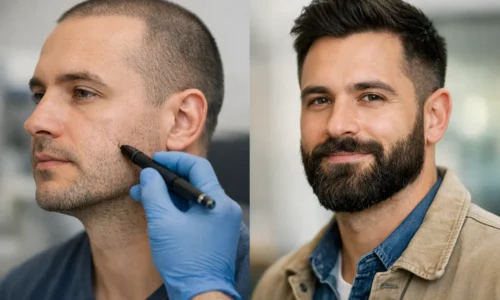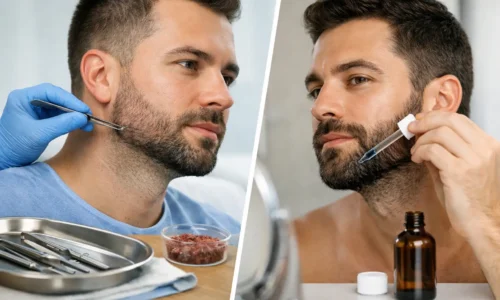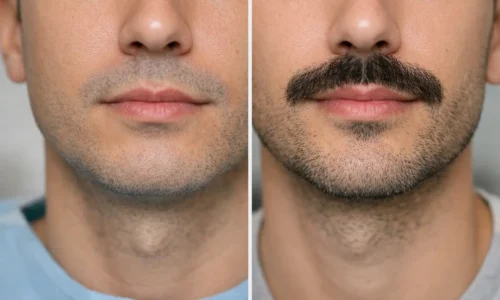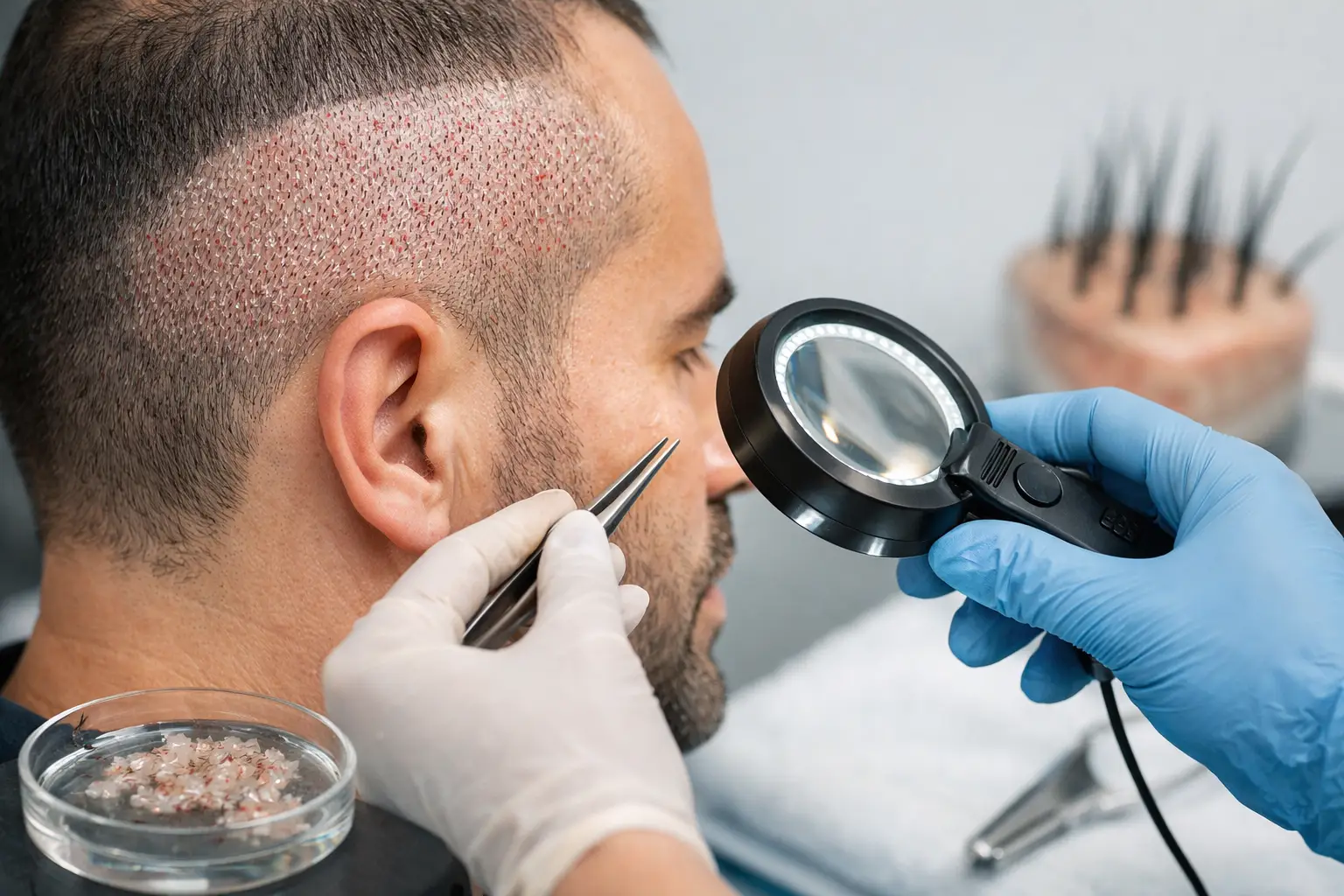
A hair transplant can look excellent on paper and still disappoint if the grafts do not survive well. That is why hair graft survival rate matters so much. Patients usually focus on how many grafts are moved, but the more meaningful question is how many of those grafts heal properly, enter growth cycles, and produce healthy hair over time.
For most patients, the goal is not simply survival. It is strong, natural, consistent growth in the right areas and at the right density. A high survival rate depends on far more than the day of surgery alone. It reflects the quality of the donor hair, the way grafts are extracted and handled, the condition of the scalp, the design of the hairline, and how carefully aftercare instructions are followed.
What is hair graft survival rate?
Hair graft survival rate refers to the percentage of transplanted grafts that remain viable after the procedure and later grow hair successfully. In simple terms, if 2,000 grafts are transplanted and 1,800 of them grow as expected, the survival rate would be 90 percent.
This sounds straightforward, but real-life assessment is more nuanced. A graft may survive yet produce finer hair than expected. Another may grow later than average. Some areas may show stronger growth because blood supply is better there. That is why experienced medical evaluation matters more than guessing based on early photos.
In well-performed modern procedures, strong graft survival is achievable, especially with careful planning and proper technique. Still, no ethical clinic should promise perfection. Biology always plays a role.
Hair graft survival rate is not just about the surgeon
The surgeon and clinical team are central to the outcome, but they are not the only factor. Even excellent technique has limits when graft quality is poor, the scalp is inflamed, or the patient returns to strenuous activity too soon.
A good transplant is a chain of decisions. If one link is weak, survival can be affected. This is one reason personalized treatment planning matters so much. A patient with mild thinning, strong donor density, and a healthy scalp is very different from someone with advanced hair loss, miniaturized donor hair, or underlying scalp conditions.
At a specialist center, the best results usually come from matching the procedure to the patient rather than forcing every patient into the same approach.
The main factors that affect graft survival
Graft handling and storage
Hair grafts are living tissue. Once they are removed from the donor area, they need careful handling and a controlled environment. Excessive time outside the body, dehydration, mechanical trauma, or poor storage conditions can all reduce survival.
This is where technique behind the scenes matters. Patients may not see it, but graft sorting, hydration, temperature control, and gentle placement are all critical. Small errors repeated hundreds or thousands of times can affect final density.
Donor hair quality
Not all donor areas are equally strong. Healthy donor follicles with good caliber tend to perform better after transplantation. If the donor area has already been weakened by genetic miniaturization, prior surgery, or overharvesting, survival and long-term appearance may suffer.
This is also why conservative planning is often the safer choice. Using too many grafts too quickly can create short-term excitement but long-term limitations.
Recipient area blood supply
For a graft to survive, it needs to establish blood supply in the recipient site. If incisions are too dense, too deep, or poorly angled, the local environment may be less favorable. Scalp scarring, chronic inflammation, smoking, and certain medical conditions can also reduce healing quality.
Dense packing can be appropriate in selected cases, but more density is not automatically better. There is always a balance between ambitious coverage and biological safety.
Surgical technique
FUE and other refined transplantation methods can achieve excellent results when performed properly. What matters most is not the label of the technique but how it is executed. Extraction must minimize follicle trauma, and implantation must respect angle, direction, depth, and spacing.
Natural-looking growth requires technical control and aesthetic judgment. A graft that survives but is placed poorly can still lead to an unnatural result.
Patient aftercare
Aftercare is one of the most underestimated parts of graft survival. The newly transplanted follicles are delicate in the early healing period. Rubbing, scratching, pressure, sun exposure, smoking, poor hygiene, and ignoring washing instructions can all compromise results.
Most patients do very well when they receive clear guidance and follow it closely. The problem is usually not complexity. It is assuming the scalp is fully stable before it actually is.
What survival rate is realistic?
Many patients want a number before they book treatment. That is understandable, but realistic expectations are more helpful than marketing claims. In experienced hands, hair graft survival rates are often high, but quoting a universal number for every patient is not medically honest.
A patient with a healthy scalp, strong donor supply, and careful post-op behavior may achieve excellent growth. Someone with active hair loss, scalp disease, prior transplant scarring, or weaker donor hair may still improve significantly but with more limits.
This is why consultation matters. A trustworthy assessment should explain both the opportunities and the constraints. If you hear guaranteed percentages without discussion of your hair characteristics, scalp condition, and long-term hair loss pattern, that is a warning sign.
Why some grafts fail
Not every failed graft means the procedure was done poorly. Sometimes the issue is biological. Sometimes it is technical. Sometimes it is behavioral.
Grafts may fail because they were damaged during extraction or implantation. They may dry out if handling is inefficient. They may struggle in a scarred or inflamed recipient area. In other cases, post-op trauma is the cause, such as friction while sleeping, early gym activity, or picking at scabs.
There is also a timing issue that creates confusion. Some patients believe grafts have failed when they are simply in the shedding phase. Transplanted hairs often shed before entering a new growth cycle. That early shedding is usually normal. True judgment takes patience.
When will you know how well the grafts survived?
Hair transplant results do not appear overnight. In the first few weeks, the focus is healing, not visible growth. Shedding is common, and the scalp may look uneven for a while. This stage can be frustrating, but it does not reflect the final result.
Visible growth often begins in the following months, with continued improvement over time. Many patients see meaningful change by around six months, but final maturation can take longer depending on the area treated, the hair characteristics, and individual healing speed.
Crown procedures, for example, often require more patience than hairline work. Curly hair, finer hair, and different skin types may also influence how density appears during recovery.
How to improve your chances of a high hair graft survival rate
The best way to improve survival starts before surgery. A proper medical consultation should assess donor strength, hair loss pattern, scalp health, and whether supportive treatments are recommended before or after the procedure.
Patients with active thinning may benefit from a broader hair restoration plan rather than transplant surgery alone. Stabilizing ongoing loss can help protect the surrounding native hair and improve the overall cosmetic result.
Choosing an experienced medical team also matters. Good clinics focus on more than graft counts. They pay attention to design, graft preservation, sterile technique, controlled implantation, and detailed aftercare. These details are not flashy, but they are often what separate average results from strong ones.
After surgery, follow instructions exactly. Sleep as advised, avoid touching the grafts, wash only as directed, pause strenuous workouts, and protect the scalp from unnecessary irritation. If something seems unusual, ask your clinic rather than guessing.
The bigger picture: survival vs satisfaction
A high graft survival rate is valuable, but patient satisfaction depends on more than that. Density must suit the face. The hairline must look age-appropriate. Donor reserves must be protected. Existing hair loss should be considered so the result still makes sense years from now.
This is where a patient-centered approach makes the difference. The right plan is not always the most aggressive one. Sometimes fewer well-placed grafts create a better and more sustainable result than chasing maximum density in a single session.
At A H T Aesthetic Medical Center, this kind of individualized planning is part of what helps patients feel more confident in the process. The aim is not just to transplant hair, but to create a result that looks natural, heals well, and holds up over time.
If you are considering treatment, the best next step is not to chase the highest advertised number. It is to choose a team that evaluates your scalp carefully, explains what is realistic, and builds a plan around long-term success.