If you have been comparing modern hair restoration options, one question usually comes up early: what is DHI hair transplant technique, and is it actually better than other methods? The short answer is that DHI, or Direct Hair Implantation, is a refined hair transplant approach that places hair grafts directly into the scalp using a specialized implanter pen. For many patients, that means precise placement, natural-looking density, and a treatment plan built around how the final result should look, not just how many grafts can be moved.
Hair loss can feel personal in a way few cosmetic concerns do. Most people are not just looking for more hair. They want a hairline that looks believable, healing that feels manageable, and a result that fits their face, age, and style. That is where DHI often stands out.
What Is DHI Hair Transplant Technique?
DHI stands for Direct Hair Implantation. It is a hair transplant technique in which healthy hair follicles are usually extracted from a donor area, most often the back or sides of the scalp, and then implanted directly into areas affected by thinning or baldness.
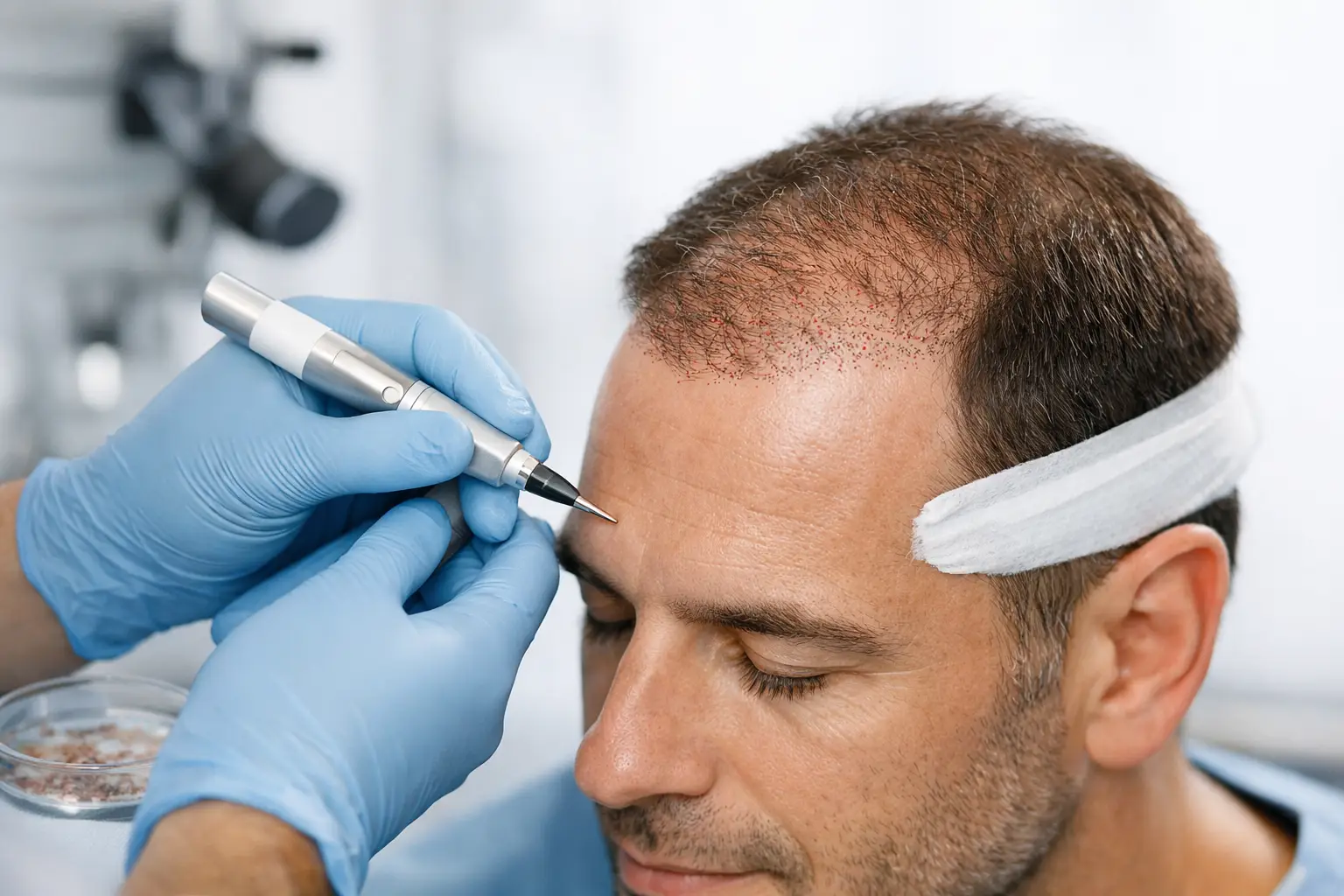
What makes DHI different is the implantation stage. Instead of first creating channels in the scalp and then placing grafts into those sites separately, the surgeon or medical team uses a Choi-type implanter pen to insert the graft directly. This allows careful control over angle, depth, and direction during placement.
That level of precision matters. Hair does not grow straight up or in identical patterns across the scalp. A natural hairline needs softer irregularity in the front, while mid-scalp and crown areas often require a different design strategy. DHI is often chosen when detail is a priority, especially in visible areas such as the frontal hairline, temples, beard, or eyebrows.
How DHI Hair Transplant Works
The process starts with consultation and planning. A good provider does not begin with graft numbers alone. They assess your hair loss pattern, donor strength, scalp condition, medical history, and long-term expectations. This is especially important because a transplant should still look natural years from now, even if your native hair continues to thin.
On the day of the procedure, the donor area is trimmed and prepared. Local anesthesia is used so the treatment is comfortable and minimally invasive. Follicular units are then extracted individually, typically using a micro-punch technique similar to FUE.
Once the grafts are collected and sorted, they are loaded into the implanter pen. The pen allows the practitioner to implant follicles directly into the recipient area with controlled depth and direction. Because placement happens one graft at a time, the process can be highly detailed.
That precision is one reason DHI is often described as advanced. But it also means the technique depends heavily on the experience of the medical team. A pen does not create a natural result on its own. The design, graft handling, and implantation strategy still require real expertise.
DHI vs FUE: What Is the Difference?
Patients often hear DHI and FUE discussed as if they are completely separate procedures. In reality, they are closely related. In many cases, DHI uses FUE-style extraction. The main difference is how the grafts are implanted.
With standard FUE, grafts are extracted first, then tiny incisions or channels are made in the recipient area, and finally the grafts are placed into those openings. With DHI, the graft is implanted directly using the pen, without a separate channel-opening step.
This does not automatically make DHI better for everyone. It may offer greater precision in selected cases, but standard FUE remains an excellent option for many patients, particularly when covering larger areas. The right choice depends on your hair characteristics, goals, scalp condition, and how your surgeon plans the result.
If someone promises that one method is always superior, that is usually a sign to ask more questions.
Benefits of DHI Hair Transplant
The biggest advantage of DHI is control. Because each graft is placed directly, the practitioner can fine-tune the angle, direction, and spacing in a very deliberate way. This can be especially helpful for creating natural hairlines and filling smaller or medium-sized areas where design precision matters.
Another potential benefit is reduced handling time between extraction and implantation, which may support graft quality when done correctly. Some patients also appreciate that the procedure can be minimally invasive, with a relatively comfortable recovery compared with older transplant methods.
DHI is often associated with:
- Natural-looking hairline design
- Precise graft placement
- Controlled density in targeted areas
- Minimal scarring due to individual follicle extraction
- A faster return to normal routines for many patients
That said, benefits only show up when the procedure is properly planned. Technique alone is not the result. The result comes from matching the technique to the patient.
Who Is a Good Candidate for DHI?
DHI can be a strong option for men and women with pattern hair loss who still have a healthy donor area. It may suit patients looking to restore a receding hairline, improve density in thinning zones, or refine smaller areas that need high precision.
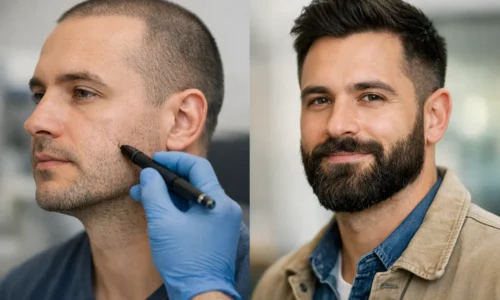
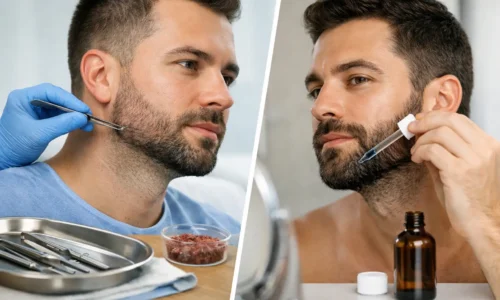
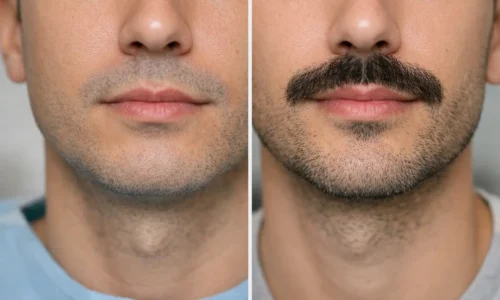
It can also work well for eyebrow, beard, or mustache restoration, where direction and angle are critical. In these areas, even a small mistake in placement can look obvious, so detailed implantation matters.
Still, not everyone is an ideal candidate. If you have extensive baldness and limited donor supply, another approach may be more practical. If your hair loss is active and medically untreated, your provider may recommend stabilizing it first. Patients with certain scalp conditions or unrealistic expectations may also need a different plan.
A strong consultation should tell you not only whether DHI is possible, but whether it is the smartest option for your case.
What to Expect During Recovery
Most patients can return to light daily activities fairly quickly after DHI. Mild redness, tenderness, scabbing, and swelling can occur in the first several days, especially around the recipient area and forehead. These effects are usually temporary.
The transplanted hairs often shed within the first few weeks. This is normal and does not mean the grafts failed. The follicles remain under the skin and later begin producing new growth. Early regrowth may start around three to four months, with more visible improvement over six to nine months. Final results often take close to a year.
Recovery is not difficult for most people, but it does require discipline. Aftercare instructions matter. Touching the grafts, sweating too soon, wearing tight headwear, or ignoring washing guidance can affect healing.
Are There Any Downsides?
Yes, and patients deserve an honest answer here.
DHI can take longer than other implantation methods because of the detail involved. It may also be more expensive, especially when performed by an experienced team using a truly individualized approach. For large coverage areas, it may not always be the most efficient option.
There is also the issue of marketing. DHI is sometimes presented as if it guarantees denser results or no downtime at all. That is not realistic. Density depends on donor supply, scalp health, graft survival, and planning. Downtime may be manageable, but healing is still part of the process.
The better question is not whether DHI is perfect. It is whether it is appropriate for your goals.
What Results Can You Realistically Expect?
A well-performed DHI transplant should look like your own hair growing in the right place. That is the benchmark. Not dramatic density on day one, not an unnaturally straight hairline, and not a result that looks good only in clinic photos.
Real success means the transplanted hair blends with your existing pattern, suits your age, and continues to look believable over time. Some patients need one session. Others may benefit from staged treatment, especially if hair loss progresses.
This is why reputable clinics focus on long-term planning rather than selling the highest graft count. In a patient-centered setting such as A H T Aesthetic Medical Center, the goal is not simply to transplant hair. It is to restore confidence with a result that feels natural when you look in the mirror every morning.
Questions to Ask Before Choosing DHI
Before moving forward, ask who designs the hairline, who performs the extraction and implantation, how graft survival is protected, and what results are realistic for your donor supply. You should also ask to see healed results, not just immediate after photos.
A trustworthy clinic will answer clearly, explain trade-offs, and avoid one-size-fits-all promises. That level of transparency is often just as important as the technique itself.
DHI can be an excellent option for the right patient, especially when precision and natural detail matter most. The best next step is not choosing a buzzword. It is choosing a qualified team that can tell you whether this technique truly fits your hair, your goals, and your long-term plan.