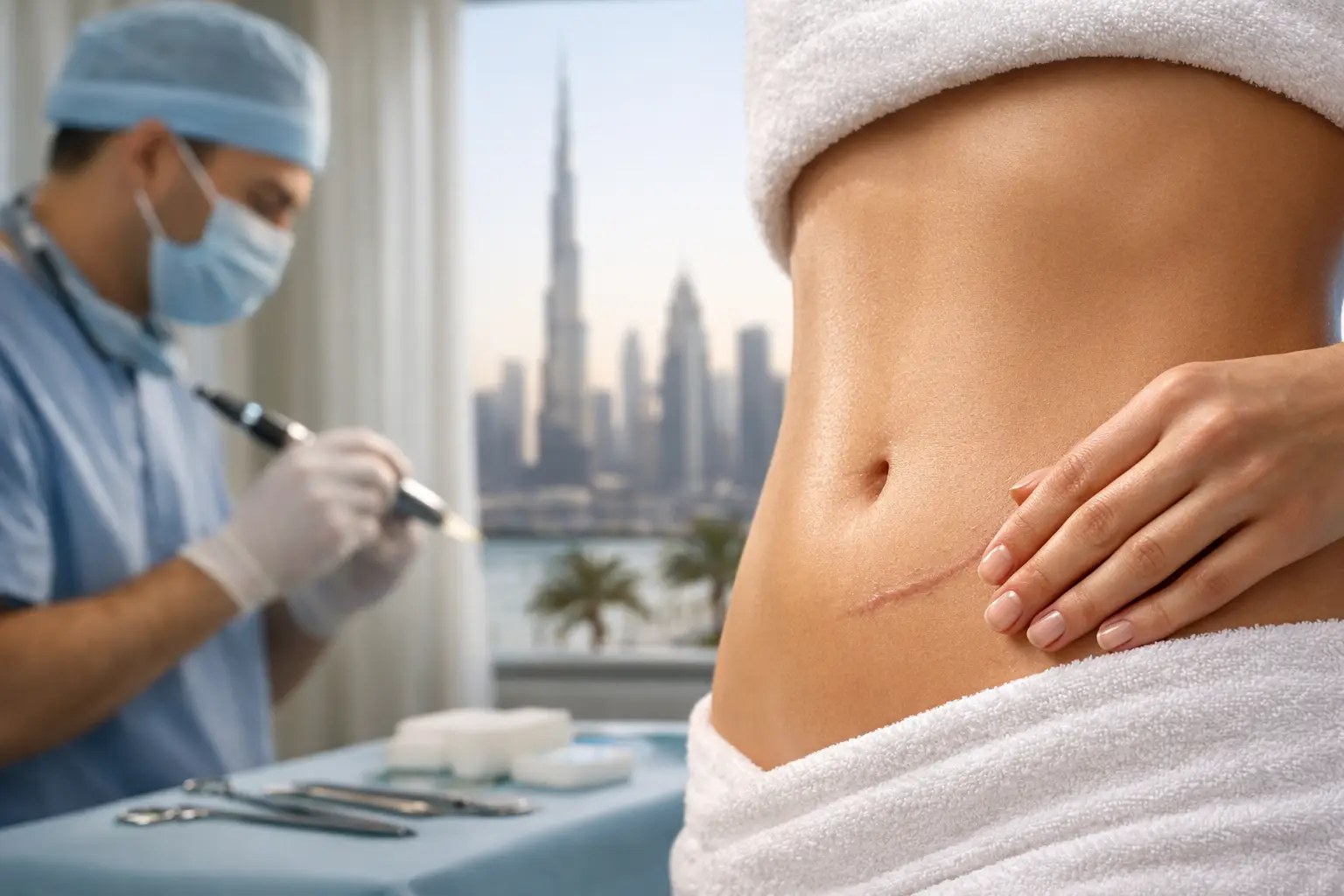
A scar can be a small line on the skin, but for many patients, it affects confidence far more than its size suggests. If you are researching Surgical Scar removal in dubai, the first thing to know is that there is rarely one single treatment that suits every scar. The best results come from matching the right technique to the scar’s type, age, location, and how your skin heals.
Some surgical scars fade well on their own. Others stay raised, indented, dark, wide, or tight. This is where expert assessment matters. A fresh scar and a scar that has matured for years may need completely different approaches, and expectations should always be realistic. Scar improvement is achievable, but complete erasure is not the standard a responsible clinic should promise.
What affects scar removal results?
Scar revision is not only about removing visible marks. It is also about improving texture, reducing thickness, softening discoloration, and helping the scar blend more naturally with surrounding skin. The outcome depends on several factors, including how deep the original wound was, whether stitches healed neatly, your skin type, sun exposure, and any history of keloids or hypertrophic scarring.
Location matters too. Scars over joints, the chest, shoulders, and jawline can be more active because of movement and tension on the skin. Facial scars often respond better because of stronger blood supply, but they also require precise planning because they are so visible.
Surgical scar removal in Dubai: which treatments are used?
The phrase surgical scar removal can be misleading because treatment is often a combination plan rather than one procedure. In some cases, scar revision surgery is the best choice. This involves carefully excising the old scar and re-closing the skin with better technique so the new scar heals in a finer, less noticeable way. It is most useful for wide scars, poorly aligned scars, or scars that healed under tension.
For raised scars, steroid injections may be recommended to flatten thick tissue. For indented or uneven scars, microneedling, laser resurfacing, or regenerative treatments may help stimulate collagen remodeling. If the scar is pigmented, energy-based treatments or targeted skin therapies may be used to improve color mismatch.
Some patients also benefit from PRF or other supportive treatments that improve healing quality. This is especially relevant in aesthetic medicine, where skin texture and natural-looking improvement matter as much as the scar itself. The right plan is usually layered and timed properly rather than rushed.
Who is a good candidate?
Good candidates are patients with a fully healed scar, realistic expectations, and no active skin infection or uncontrolled medical issue affecting recovery. If your scar is still red and changing quickly, your specialist may advise waiting. Immature scars can continue improving for months, and treating them too early is not always the best decision.
Patients with a history of abnormal scarring need extra caution. That does not always rule out treatment, but it changes the plan. Your consultation should include a close review of your medical history, previous procedures, and skin behavior after injury or surgery.
If your scar resulted from a cosmetic procedure such as body contouring, it may help to understand the original surgical context as well. Patients comparing post-surgical expectations sometimes also read related topics such as Liposuction Dubai: What to Know First or Breast Lift Surgery in Dubai: What to Expect when planning broader aesthetic care.
What to expect during treatment and recovery
Your treatment journey starts with diagnosis, not guesswork. A proper evaluation looks at scar shape, thickness, mobility, discoloration, and the surrounding skin. Photos are often useful for tracking progress because scar improvement is gradual and easy to underestimate from memory alone.
If surgery is recommended, the area is usually treated under local anesthesia depending on the scar’s size and position. Recovery varies, but most patients can return to normal routines quickly with careful wound care. What matters most is how the scar is managed after the procedure. Silicone support, sun protection, reduced tension on the wound, and follow-up monitoring can make a major difference in final healing.
Non-surgical treatments often require a series of sessions. That may sound inconvenient, but it is often safer and more effective than aggressive one-time treatment. The skin needs time to remodel, especially when the goal is smooth, natural-looking improvement rather than obvious overcorrection.
Why specialist assessment matters
Scar treatment sits at the intersection of medicine and aesthetics. That means technical skill is only part of the equation. The real value comes from choosing a plan that improves appearance without creating new problems, such as pigment changes, prolonged irritation, or another poorly healing scar.
At a patient-focused clinic like A H T Aesthetic Medical Center, this type of treatment should never be approached with a one-size-fits-all mindset. The right consultation should leave you understanding what can be improved, how long it may take, and what level of change is realistic for your skin.
For anyone bothered by a visible surgical scar, the next step is not chasing the most aggressive option. It is getting an expert opinion that prioritizes safe healing, refined technique, and a result that looks more natural every time you see it in the mirror.
Ready to explore your hair restoration options?
Complete a free Hair Analysis or book a consultation with AHT Aesthetic Medical Center in Dubai.
Ready to explore your hair restoration options?
Complete a free Hair Analysis or book a consultation with AHT in Dubai.