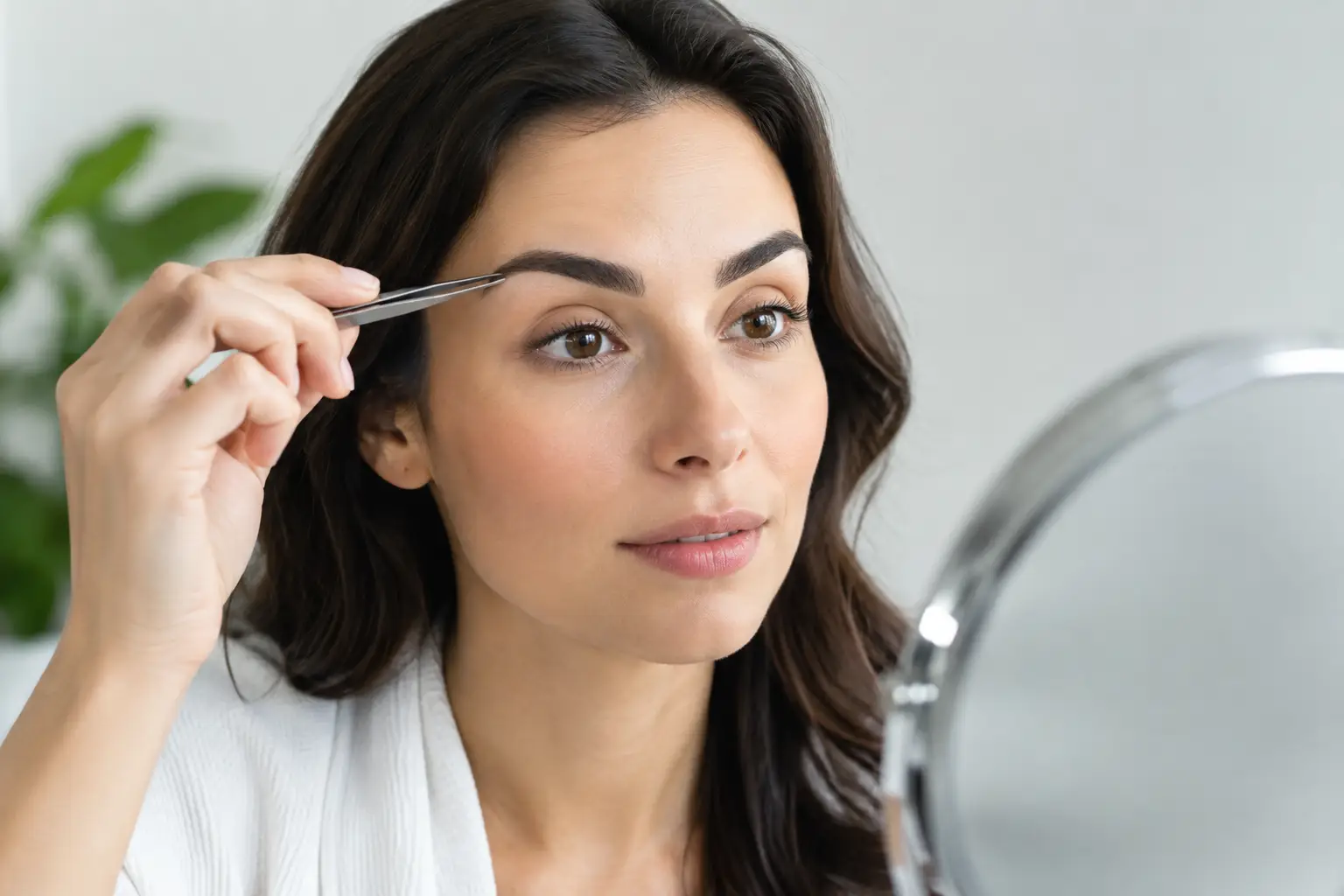
An eyebrow transplant is a highly precise procedure. Unlike scalp hair, eyebrow hairs must be placed at carefully controlled angles, directions, and densities to create a result that looks natural at close range. Knowing how to prepare for eyebrow transplant surgery helps you arrive feeling informed, protects your safety, and gives your medical team the best foundation for a refined result.
For many patients, the decision is about more than restoring hair. It may be about correcting naturally sparse brows, filling areas affected by overplucking, camouflage for scars, or rebuilding confidence after hair loss. Preparation starts with a clear picture of the look you want and an honest discussion of what is medically achievable.
Start With a Detailed Medical Consultation
Your consultation is where an eyebrow transplant plan becomes personal. Your surgeon will assess your facial proportions, existing eyebrow hair, skin quality, donor hair availability, and medical history. In most cases, donor follicles are taken from the scalp, then individually implanted into the brow area.
Bring reference photos if they help you explain your preferred brow shape, but use them as a conversation starter rather than a fixed template. A brow that suits one face may not suit another. Your surgeon should consider your natural bone structure, facial symmetry, hair texture, and the way your existing eyebrow hairs grow.
Be open about previous cosmetic tattooing, microblading, skin treatments, allergies, hormonal conditions, and any history of hair loss. These details can affect treatment planning. If you have an active skin infection, inflammation, or a condition causing ongoing hair loss, your procedure may need to be delayed or adjusted.
A good consultation should also set realistic expectations. Transplanted hairs often retain some characteristics of scalp hair, which means they may grow longer and require regular trimming. The final density and shape develop gradually, not overnight.
How to Prepare for Eyebrow Transplant in the Weeks Before
Once your procedure is scheduled, follow the pre-treatment instructions provided by your clinic. They are tailored to your health, medication use, and the technique planned for your transplant.
Medication planning deserves particular attention. Tell your medical team about every prescription medication, over-the-counter product, vitamin, herbal supplement, and topical treatment you use. Some products can increase bleeding or interfere with healing. Do not stop prescribed medication on your own. Your surgeon or prescribing physician should advise you on any safe changes before surgery.
Smoking and nicotine products can reduce circulation and slow healing. If you smoke, vape, or use nicotine pouches, ask your clinic how far in advance you should stop and when it is appropriate to resume. Avoiding alcohol in the period advised by your surgeon can also help minimize unnecessary swelling, bleeding, and dehydration.
If you use retinoids, exfoliating acids, bleaching products, or strong brow-growth serums around the forehead and eye area, ask whether you should pause them. The skin around the eyebrows is sensitive, and minimizing irritation before surgery supports a smoother recovery.
Protect Your Skin and Existing Brows
Avoid waxing, threading, tinting, microblading, or aggressive tweezing shortly before your appointment unless your surgeon specifically approves it. The team needs to see your natural eyebrow pattern and healthy surrounding skin to plan placement accurately.
Sunburn is another reason procedures may be postponed. In Dubai and across the GCC, strong sun exposure can be difficult to avoid, especially during outdoor travel or activities. Use sensible sun protection and avoid prolonged direct sun on the face in the days leading up to your procedure.
Plan Your Procedure Day Carefully
Eyebrow transplantation is commonly performed under local anesthesia. You will be awake but should be comfortable, and your team will guide you through each stage. Procedures vary in length depending on the number of grafts needed and the complexity of the design, so keep your schedule clear for the day.
The night before, get normal rest rather than trying to overprepare. On the morning of surgery, wear a clean, loose-fitting shirt or top that buttons or zips in the front. You should not need to pull clothing over your forehead after treatment.
Arrive with a clean face unless your clinic gives different instructions. Skip makeup, eyebrow pencil, concealer, moisturizer near the brow area, hair fibers, and perfume. These products can interfere with skin preparation or make it harder to maintain a sterile treatment area.
Have a light meal before arriving, unless your care team has instructed otherwise. Staying hydrated and eating normally can help you feel more comfortable during a longer appointment. Avoid excessive caffeine if you are prone to anxiety, elevated blood pressure, or restlessness.
Arrange for someone to take you home if your clinic recommends it, particularly if you are traveling a long distance or feel anxious about the procedure. Medical tourists should plan to remain locally for any scheduled checkups rather than booking immediate travel after treatment.
Set Up Your Recovery Before You Leave Home
The first few days after an eyebrow transplant require care, not bed rest. Preparing your home in advance allows you to focus on protecting the grafts. Set aside clean pillows, button-front clothing, approved cleansing supplies, prescribed medication, and a comfortable place to rest with your head slightly elevated.
You will need to avoid rubbing, scratching, or pressing on the implanted area. This means being thoughtful about sleeping position, towel drying, changing clothes, and caring for young children or pets that may accidentally touch your face. If you usually exercise daily, plan for a short break. Sweat, increased blood flow, and accidental contact can affect early healing.
Your clinic will explain when and how to wash the area. Follow those instructions exactly, even if scabbing appears. Small crusts are a normal part of healing, but picking them can dislodge grafts and compromise the result.
For the first stage of recovery, it is generally wise to avoid swimming pools, saunas, steam rooms, dusty environments, and intense sun exposure. The exact timing varies, so rely on your surgeon’s instructions rather than a generic online timeline.
Understand the Growth Timeline Before Surgery
One of the best ways to prepare emotionally is to understand that transplanted eyebrow hair goes through phases. Early redness, mild swelling, and tiny scabs can occur after treatment. Then, the implanted hairs commonly shed within several weeks. This is expected and does not mean the follicles have failed.
New growth usually begins gradually over the following months. Because eyebrow transplants are designed for natural-looking direction and density, the result improves in stages. Some patients may need a touch-up session if they want additional fullness or if their initial goal requires a conservative approach.
Patience matters. A responsible surgeon will prioritize a believable eyebrow over an overly dense or sharply outlined result that does not fit your features. At AHT Aesthetic Medical Center, individualized planning is central to creating brows that support your natural facial balance rather than overpower it.
Questions Worth Asking Before You Commit
Before your appointment, make sure you understand who will perform the key surgical steps, what technique will be used, how the eyebrow design is agreed upon, and what aftercare is included. Ask about the expected number of grafts, the appearance of the donor area, and when you can return to work, exercise, makeup, and travel.
It is also reasonable to ask how your clinic handles an uneven result, slower-than-expected growth, or the need for future refinement. No ethical provider can guarantee identical symmetry, because natural brows are not perfectly symmetrical and healing can vary from side to side. What they should offer is a clear plan, skilled communication, and realistic guidance from consultation through follow-up.
Preparing well is not about trying to control every detail. It is about choosing an experienced medical team, sharing accurate health information, and making space to recover without rushing. When you are ready, a personal consultation can turn your eyebrow goals into a plan that feels both medically sound and genuinely your own.
Ready to explore your hair restoration options?
Complete a free Hair Analysis or book a consultation with AHT Aesthetic Medical Center in Dubai.
Ready to explore your hair restoration options?
Complete a free Hair Analysis or book a consultation with AHT in Dubai.