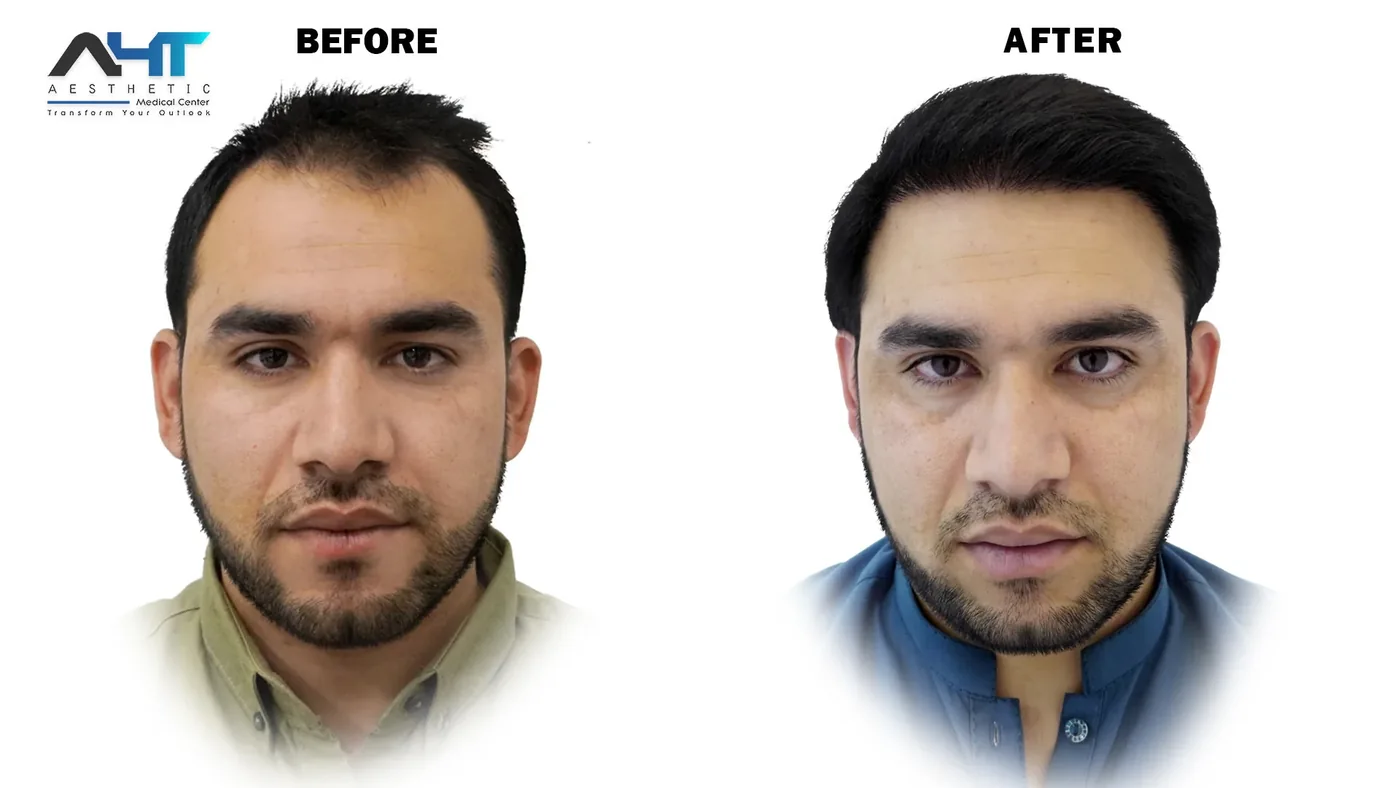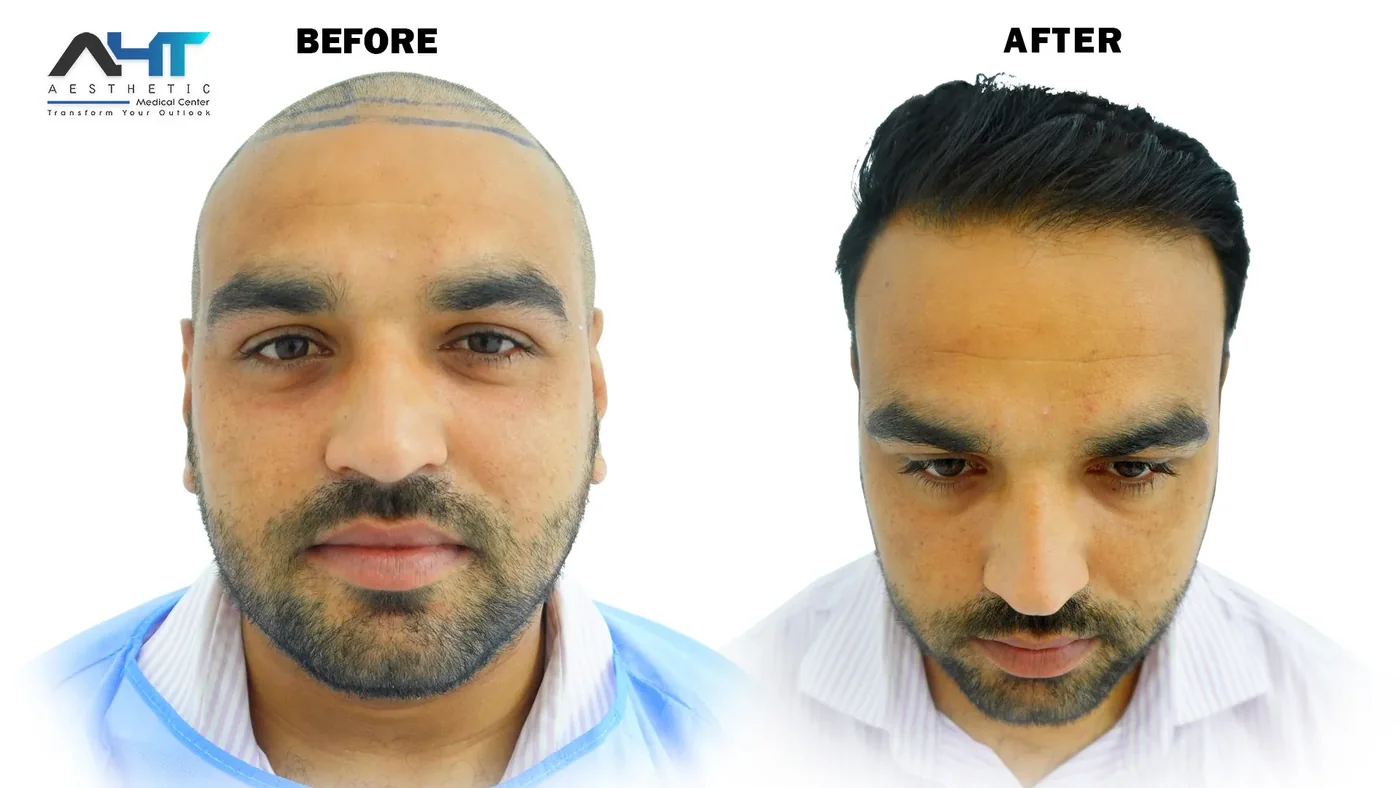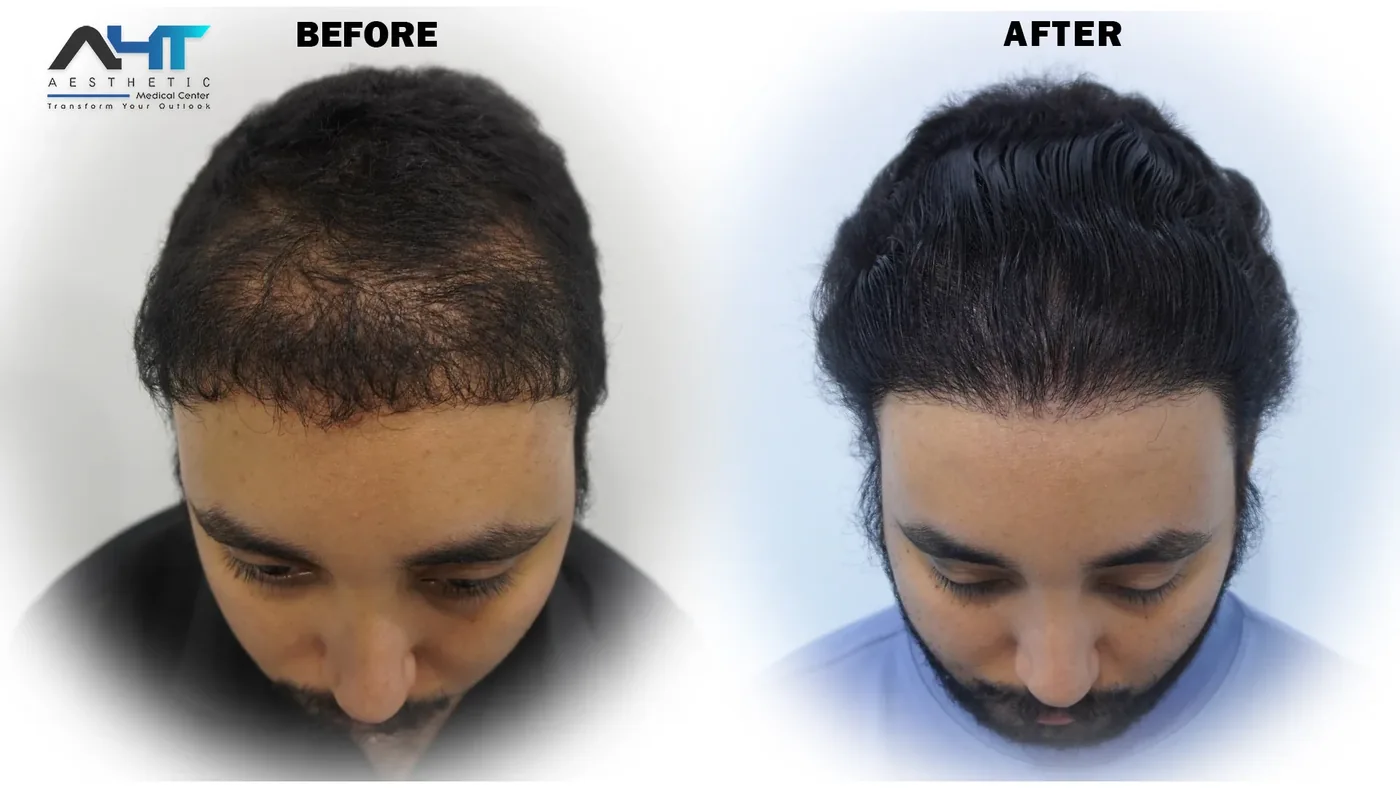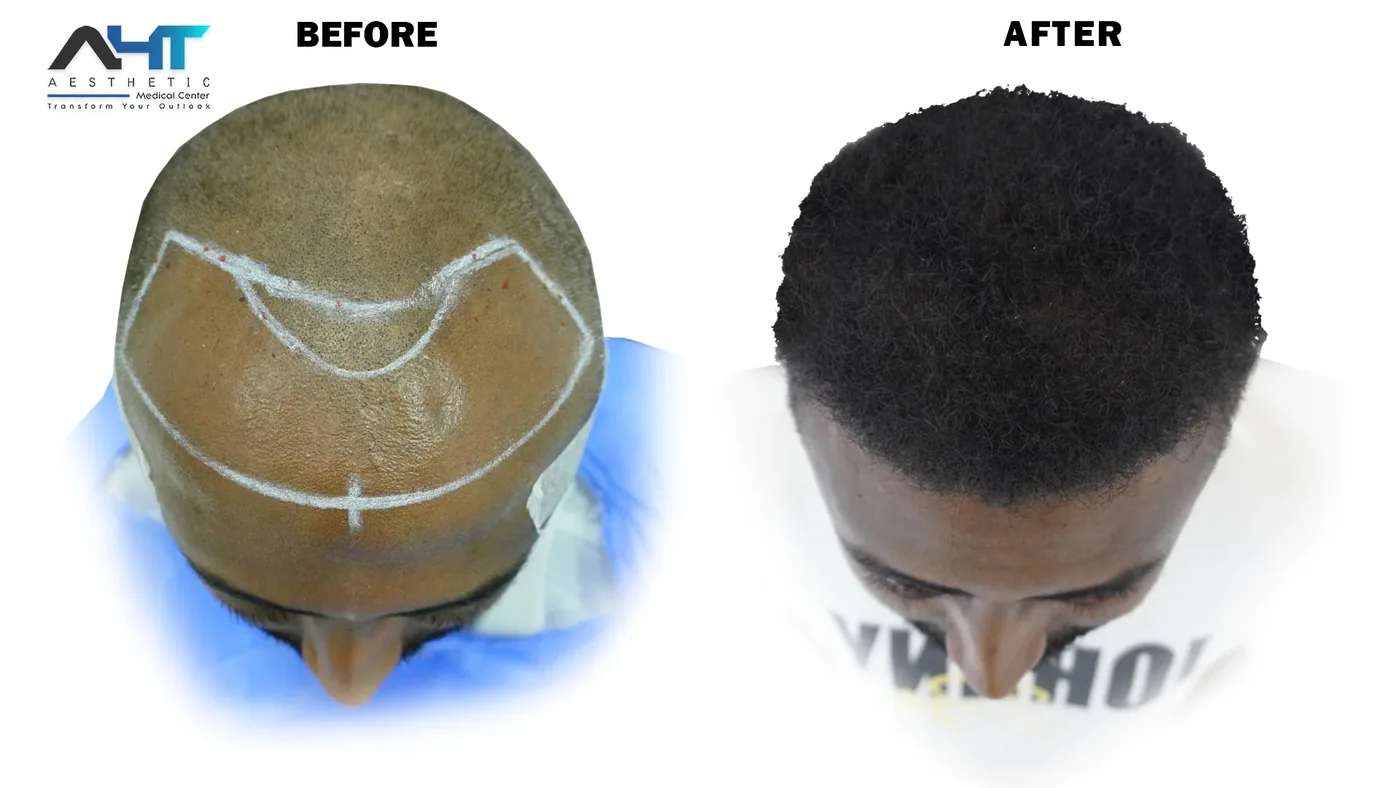
Fuller cheeks can make the whole face look more rested, lifted, and balanced. That is why dermal fillers for cheeks remain one of the most requested non-surgical treatments for adults who want visible improvement without the downtime of surgery. For many patients, the goal is not to look different. It is to look fresher, less tired, and more like themselves.
Why cheek volume matters
The cheeks do more than add softness to the face. They support the midface, influence how defined the under-eye area looks, and affect the overall shape of the face from the front and side. When cheek volume starts to decline, the change often shows up as flattening, shadowing, or a heavier look around the lower face.
This is one reason some people feel they look older even when their skin quality is still good. Volume loss changes facial structure. Replacing that support in the right area can create a more refreshed appearance without making the face look overdone.
Cheek enhancement is not only about aging, either. Some patients naturally have less midface projection and want more contour or balance. Others want to soften a hollow or create a smoother transition between the cheeks and under-eyes. The treatment plan depends on your anatomy, not just your age.
How dermal fillers for cheeks work
Most cheek fillers are made from hyaluronic acid, a substance already found naturally in the body. When placed with precision, the filler adds structure, restores volume, and improves contour. In the cheeks, that often means supporting the higher part of the midface rather than simply filling the lower area.
Technique matters as much as the product. A skilled injector assesses facial proportions, skin thickness, existing volume loss, and how the cheeks relate to the chin, jawline, and under-eye area. Small changes in placement can make a big difference in the final result.
For that reason, cheek filler should never be approached as a one-size-fits-all treatment. The best outcomes come from a tailored plan designed around facial harmony. Some patients need subtle structural support. Others benefit from gradual layering over more than one session.
What concerns cheek filler can improve
Cheek filler is often chosen to address a tired or flattened look in the midface. It can also improve facial contour, create more definition, and restore support that has faded over time.
In the right patient, treatment may help reduce the appearance of hollowness, improve the look of mild sagging in the midface, and create a smoother facial profile. It can also make the transition from the lower eyelid to the cheek look less abrupt. That said, filler is not a replacement for every concern. If skin laxity is significant or if deep folds are driven more by tissue descent than volume loss, another approach may be more effective.
This is where a medical consultation becomes important. A good provider will tell you not just what filler can do, but what it cannot do.
What to expect at your appointment
A cheek filler appointment usually starts with a facial assessment and discussion of your goals. You may be asked what bothers you most in photos, whether you want subtle rejuvenation or stronger contour, and whether you have had previous injectables. This conversation helps guide a plan that fits your features instead of following a trend.
The treatment itself is relatively quick. After cleansing the skin, the injector places filler using a needle, a cannula, or a combination of both. Many modern fillers contain lidocaine, which helps reduce discomfort during the procedure. Most patients describe the sensation as pressure or brief pinching rather than significant pain.
Mild swelling, tenderness, or bruising can happen afterward, especially in the first few days. This is normal and usually temporary. Some patients see immediate improvement, but the final result is better judged once swelling has settled.
How long dermal fillers for cheeks last
Longevity depends on the product used, your metabolism, the amount injected, and how much movement the treated area gets. In general, cheek filler tends to last longer than filler in more mobile areas like the lips. Many patients enjoy results for around 9 to 18 months.
That range is broad because people break down filler differently. A very active metabolism, frequent exercise, and previous filler history can all influence duration. The goal should not be to chase the longest-lasting product at any cost. The right choice is the one that suits your anatomy, desired look, and safety profile.
Maintenance is often simpler than starting from scratch. Once an initial result is established, touch-up appointments may require less product than the first treatment.
Natural-looking results depend on restraint
One of the biggest concerns patients have is looking puffy or unnatural. That concern is valid. Cheek filler can look excellent when done conservatively and with a clear understanding of facial proportions. It can also look obvious when too much product is placed or when filler is used to treat the wrong problem.
Natural results usually come from respecting the structure of the face. Instead of trying to create dramatic volume, the injector restores support where it has been lost or enhances contour in a balanced way. In many cases, less product placed precisely gives a better result than larger amounts placed broadly.
This is especially important for patients who already have fuller faces. More volume is not always the answer. Sometimes the better plan is strategic contouring or combining treatments over time rather than adding significant filler in one session.
Safety, side effects, and who should avoid treatment
Cheek filler is considered minimally invasive, but it is still a medical procedure. Choosing an experienced, qualified injector matters. The cheeks contain important vascular structures, and safe technique is essential.
Common short-term side effects include redness, swelling, tenderness, and bruising. These usually improve within days. Less common but more serious complications can occur, including vascular compromise. That is why treatment should always be performed in a proper clinical setting with strong knowledge of facial anatomy and complication management.
Not everyone is a good candidate right away. If you are pregnant, breastfeeding, actively ill, or have a skin infection near the treatment area, you may be advised to wait. Patients with certain autoimmune conditions, a history of severe allergies, or previous complications from filler should discuss this in detail during consultation.
If you have had filler before, be honest about when and where. Old product, scar tissue, or migration can affect planning. The safest approach is always a fully informed one.
Is cheek filler better than surgery?
It depends on the result you want. If you want subtle to moderate improvement with little downtime, filler is often an excellent option. It is fast, customizable, and reversible in the case of hyaluronic acid fillers. For many busy professionals, that convenience matters.
But filler has limits. It cannot remove excess skin, and it will not produce the same degree of lift as surgery when facial aging is more advanced. In some cases, using too much filler to imitate a surgical result leads to a heavier, less natural appearance.
A trustworthy provider will guide you toward the treatment that fits your needs, even if that means saying filler is not the best option. Good aesthetic medicine is not about selling more product. It is about choosing the right intervention.
How to know if you are a good candidate
You may be a good candidate for cheek filler if you have mild to moderate volume loss, naturally flatter cheeks, or a desire for more facial definition without surgery. You should also have realistic expectations and a preference for gradual, refined improvement.
The best candidates are not chasing someone else’s face shape. They want a version of themselves that looks healthier, more balanced, or less tired. That mindset usually leads to the most satisfying result.
In a medically led clinic such as A H T Aesthetic Medical Center, treatment planning should focus on your anatomy, your comfort, and a result that still feels like you. That is the standard worth looking for.
Cheek filler works best when it is approached with patience, precision, and a clear plan. If you are considering treatment, the smartest next step is a professional consultation that tells you where filler can help, where it cannot, and how to achieve a result you will still feel good about when the swelling is gone.