Female Hairline Transplant Options Explained
June 1, 2026

Female Hairline Transplant Options Explained

A higher forehead, thinning at the temples, or a hairline that has slowly shifted over time can change the way your whole face feels. For many women, researching female hairline transplant options starts after years of trying to style around the issue, hide it with makeup, or hope topical treatments will be enough. The good news is that modern hair restoration offers more than one path, and the right choice depends on your pattern of hair loss, donor hair quality, and cosmetic goals.

A well-planned hairline transplant is not just about moving hairs from one area to another. It is about facial balance, density, graft survival, and designing a hairline that looks natural now and continues to look natural years from now. That is why women need a more tailored evaluation than many expect.

What female hairline transplant options actually include

When patients first hear the term hairline transplant, they often assume there is one standard procedure. In reality, female hairline transplant options usually fall into two main categories based on how grafts are harvested: FUE and FUT. Both can restore a receding or naturally high hairline, but they work differently and suit different patients.

FUE for female hairline restoration

FUE, or Follicular Unit Extraction, removes individual follicular units from the donor area, usually at the back of the scalp. Those grafts are then placed strategically along the hairline and temple points. This method is popular because it avoids a linear scar and can be easier for patients who prefer to wear their hair shorter or want a less invasive recovery experience.

For women, FUE can be an excellent option when the donor area is stable and dense enough to support harvesting without creating visible thinning. It also works well when the restoration plan is focused on refining the front hairline rather than covering a large area of diffuse loss.

The trade-off is that not every woman is an ideal FUE candidate. If the thinning is spread across the scalp, including the donor zone, extracting grafts may reduce density where the hair is already fragile. In those cases, another approach may be safer and more effective.

FUT for female hairline restoration

FUT, or Follicular Unit Transplantation, removes a thin strip of scalp from the donor region, after which the follicular units are dissected and implanted into the hairline. This method can yield a higher number of grafts in a single session and may preserve the surrounding donor density better in certain candidates.

For women who wear their hair long and want maximum graft quality for a lowered or reshaped hairline, FUT is still a strong option. The linear scar is typically concealed by longer hair, which makes it less of a concern for many female patients.

The main consideration is healing style and scar tolerance. Some patients strongly prefer to avoid a strip scar, even if hidden. Others care more about graft numbers and density than the donor harvesting method. Neither preference is wrong. It depends on your goals and how you wear your hair.

Who is a good candidate for a hairline transplant?

Not every hairline concern should be treated with surgery. A good candidate usually has a stable concern rather than active, aggressive shedding. That could mean a naturally high hairline, temple recession, traction-related thinning after the cause has been addressed, or a surgically corrected hairline after years of forehead insecurity.

Candidates also need an adequate donor supply. This sounds simple, but it is one of the most important parts of the evaluation. Many women experience diffuse thinning rather than the more defined patterns often seen in men. If the donor area is also miniaturizing, a transplant may not produce the strong, lasting result you want.

That is why a proper assessment should look beyond the front hairline. Scalp health, family history, hormonal factors, styling habits, and the possibility of underlying hair loss conditions all matter. In some cases, medical treatment should come first. In others, surgery and supportive therapies work best together.

Female hairline transplant options for different concerns

Women do not all seek hairline restoration for the same reason, and the treatment plan should reflect that.

Naturally high forehead

Some patients have always had a high hairline and want better facial proportion. In this case, the focus is often on lowering the hairline while keeping it soft and age-appropriate. These cases can be very rewarding because the target area is clear and the donor hair is often stable.

Temple recession

Temple thinning can make ponytails, center parts, and pulled-back styles feel less flattering. Restoring the temple corners requires precision because this area has a distinct angle and direction of growth. A rushed design here can look unnatural, so artistry matters as much as technique.

Traction alopecia

Tight hairstyles, repeated tension, and chemical or heat stress can damage the hairline over time. If the traction has stopped and the loss is no longer progressing, transplantation may help restore density. If tension is still ongoing, surgery alone will not solve the problem. The transplanted hairs need a healthy environment to last.

Hairline refinement after facial procedures

Some women seek hairline work to soften scars, improve symmetry, or refine the frame of the face after other cosmetic procedures. In these cases, the transplant plan must fit the overall facial aesthetic, not just the scalp.

How doctors design a natural female hairline

A natural-looking female hairline is usually softer and less irregularly aggressive than a male hairline. It should complement the forehead, brows, temples, and facial proportions without looking too low, too straight, or too dense in the wrong places.

Single-hair grafts are often used at the leading edge to create softness. Behind that, denser graft placement builds support and fullness. Direction, angle, and spacing are critical. Even high-quality grafts can look artificial if they are placed at the wrong angle.

This is where experience makes a real difference. Hairline design is not a template. It is a customized medical and aesthetic decision based on your facial structure, current hair characteristics, and long-term planning.

What results can you expect?

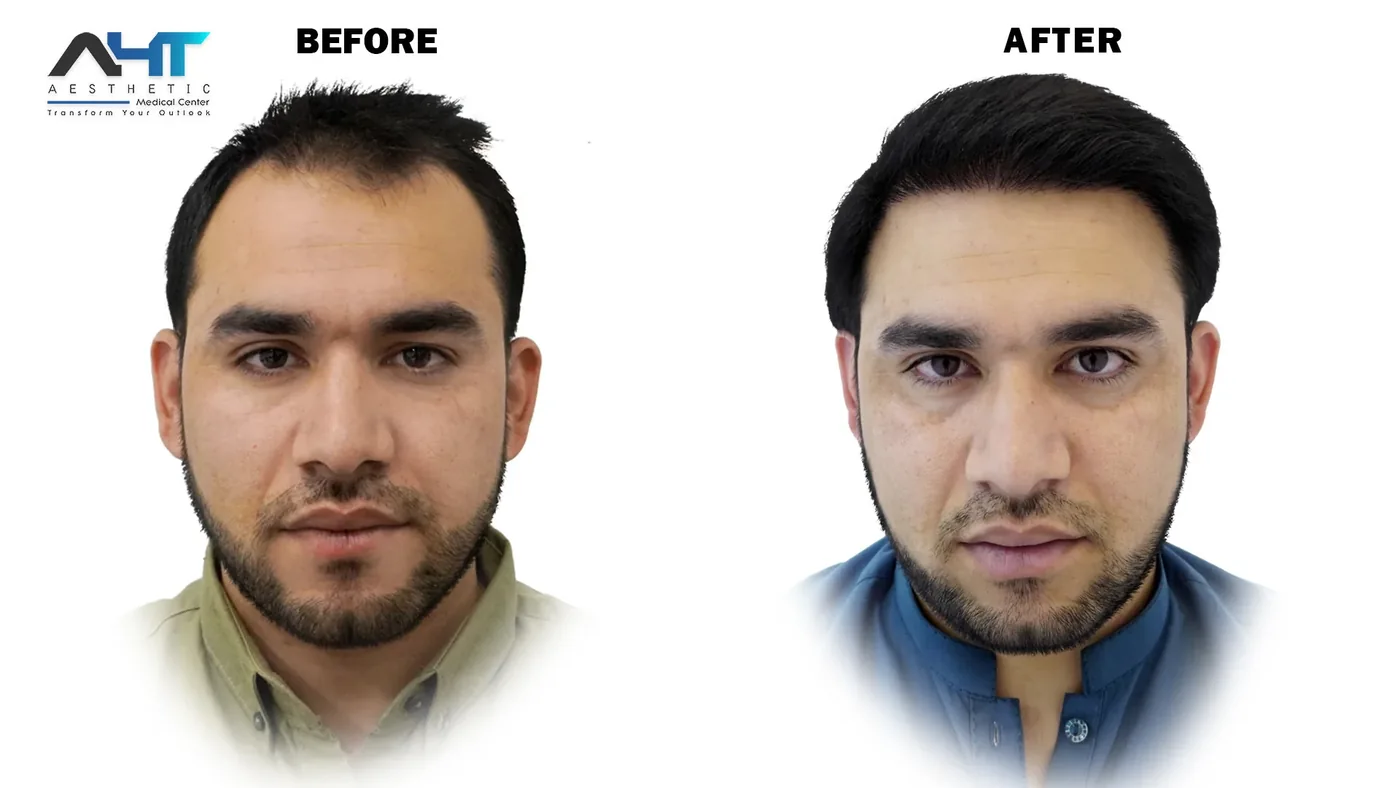
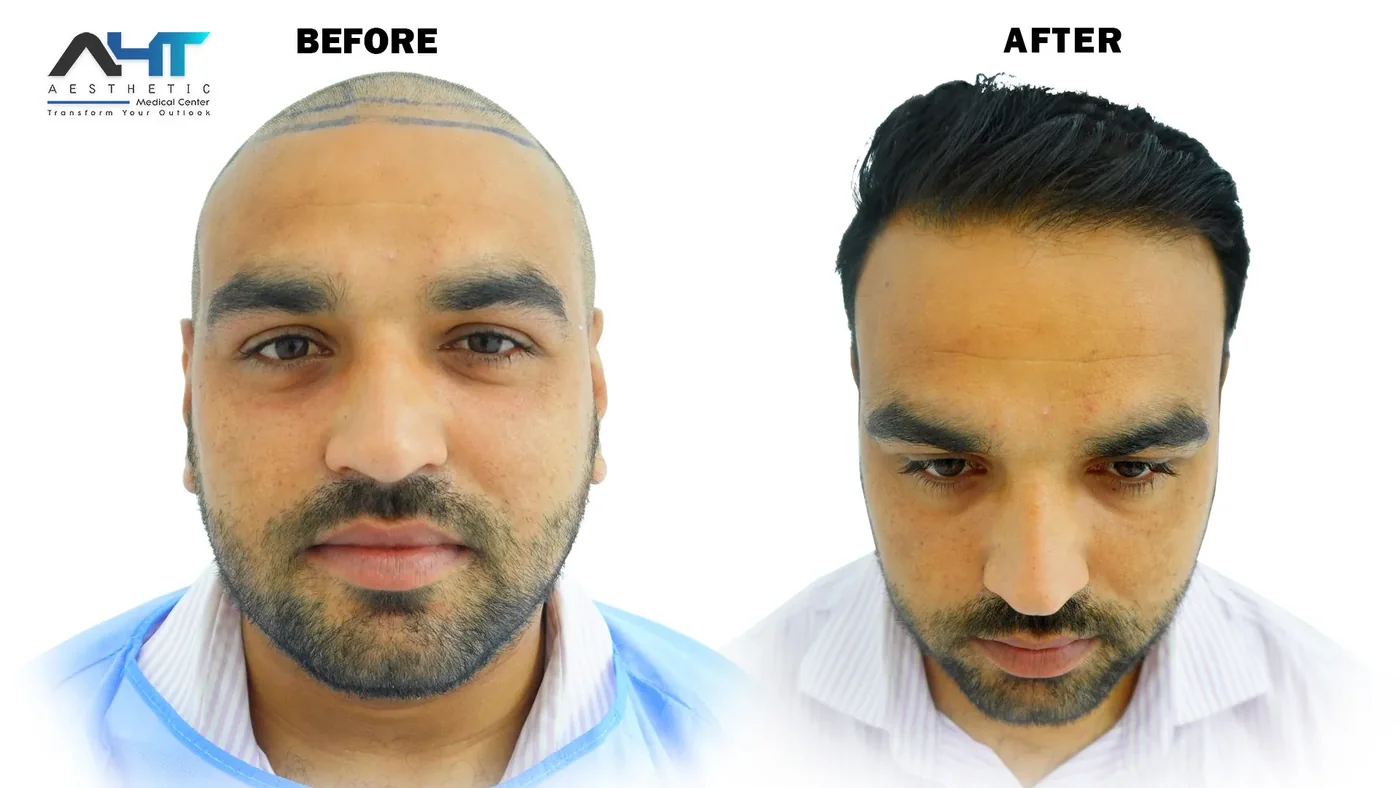
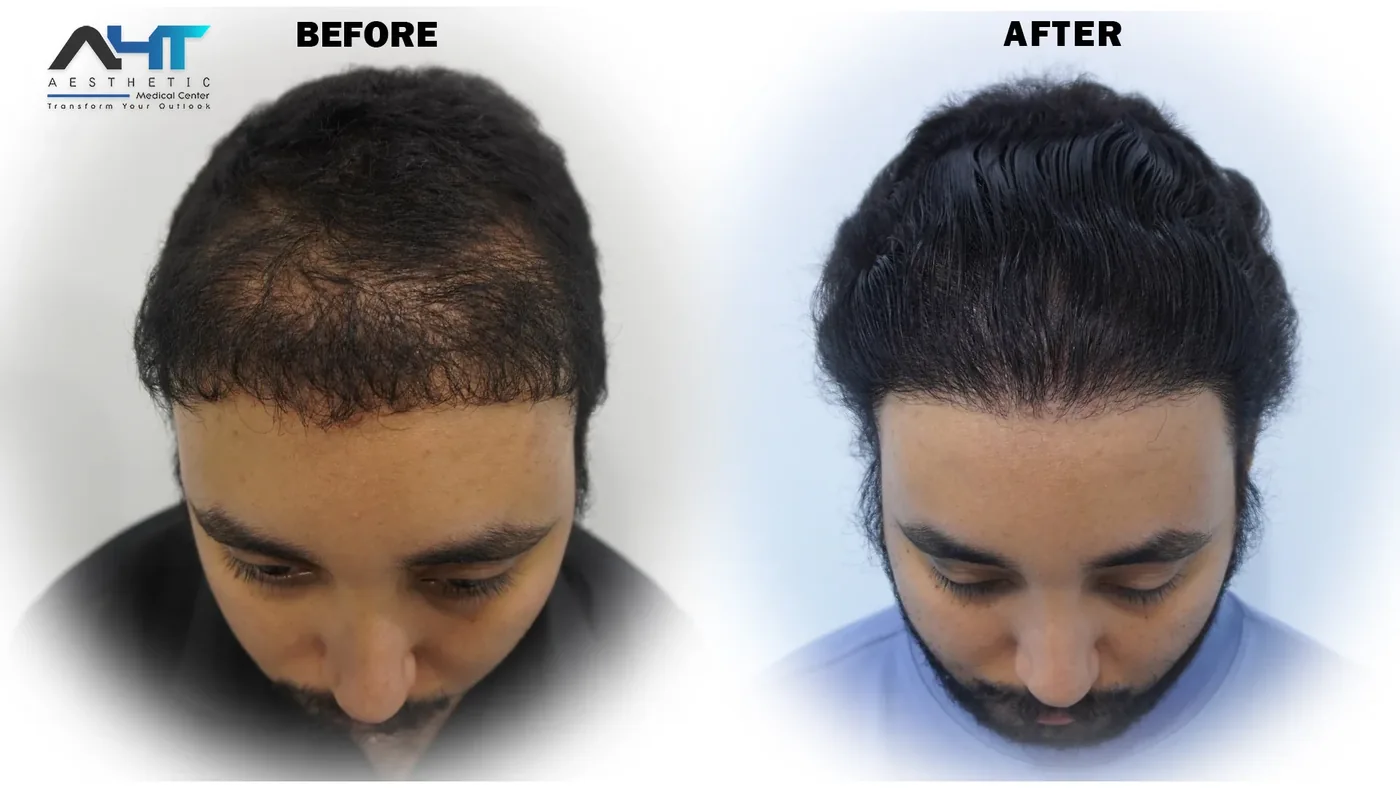
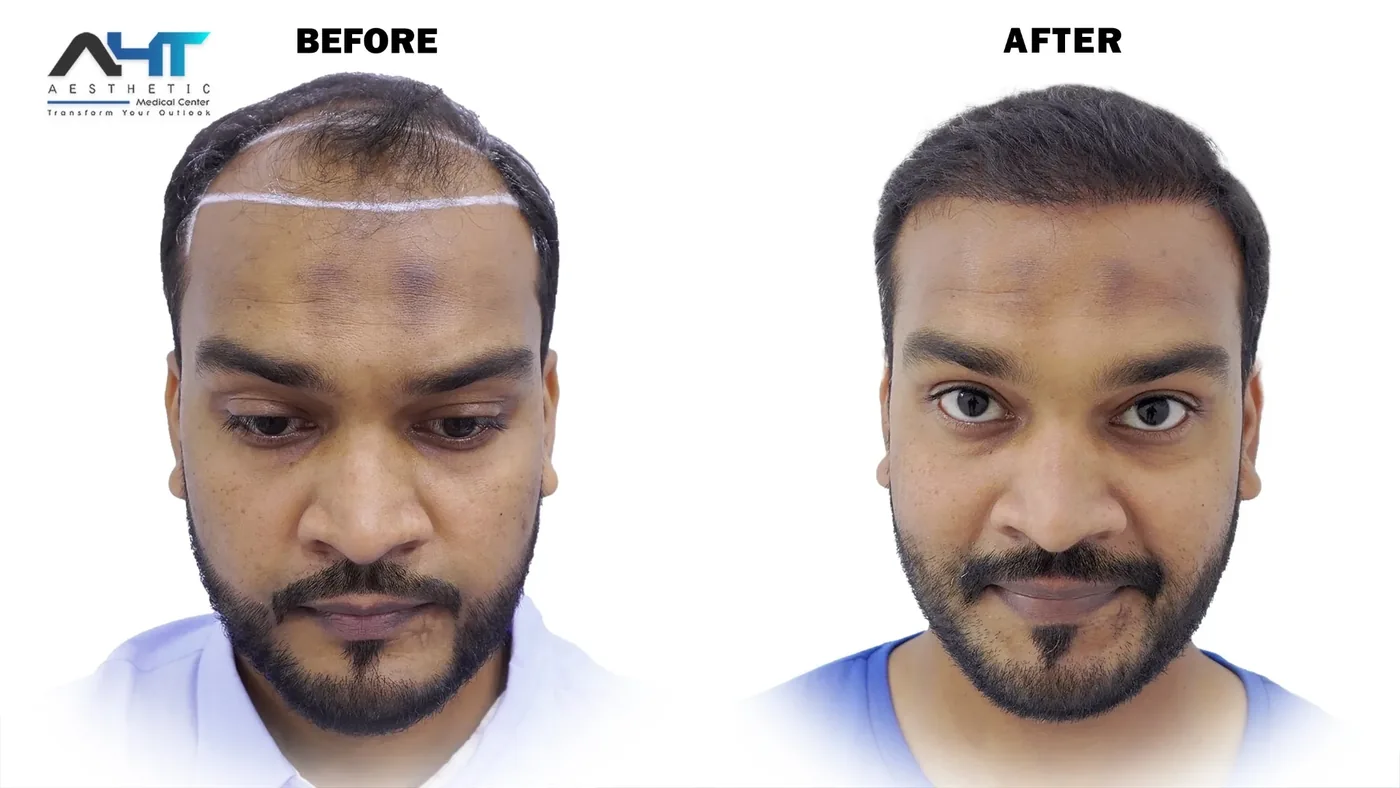
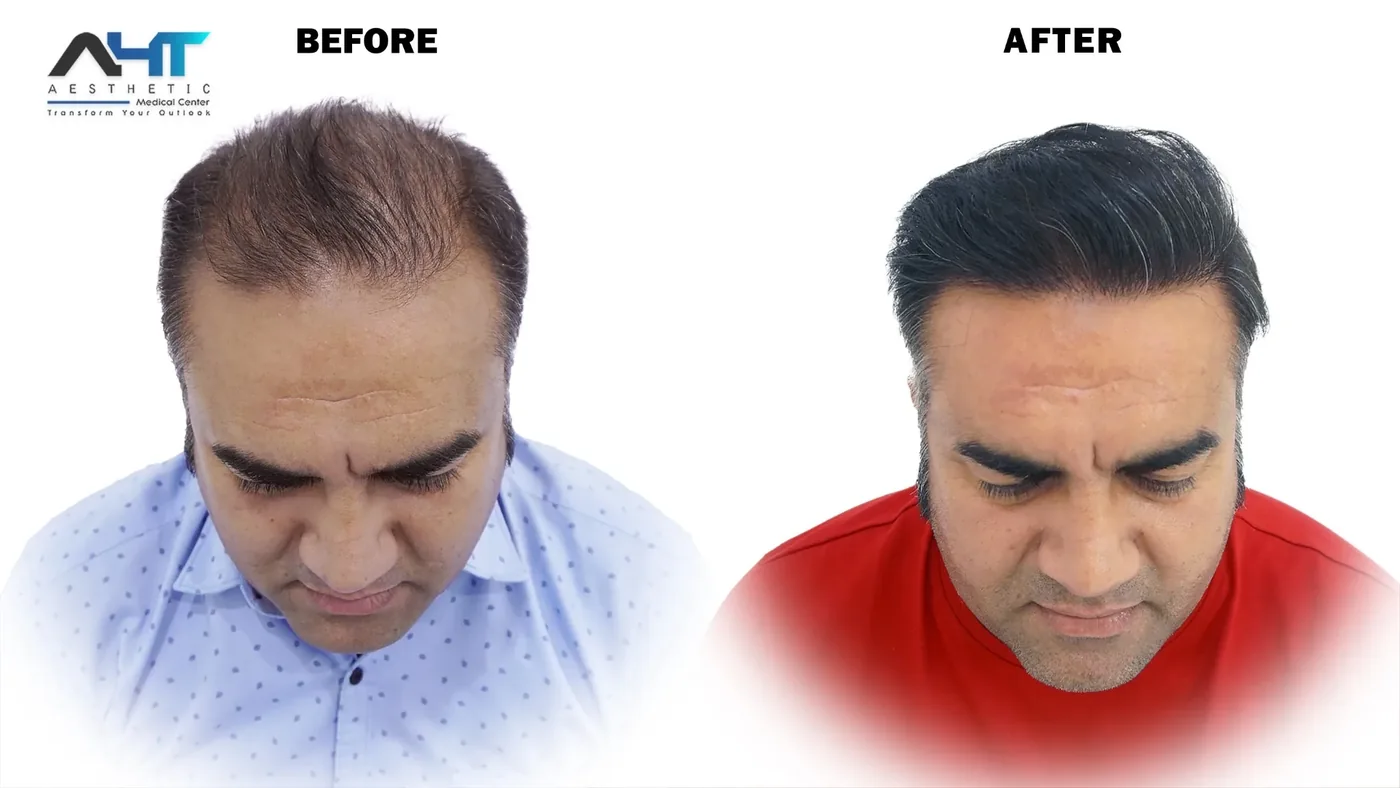
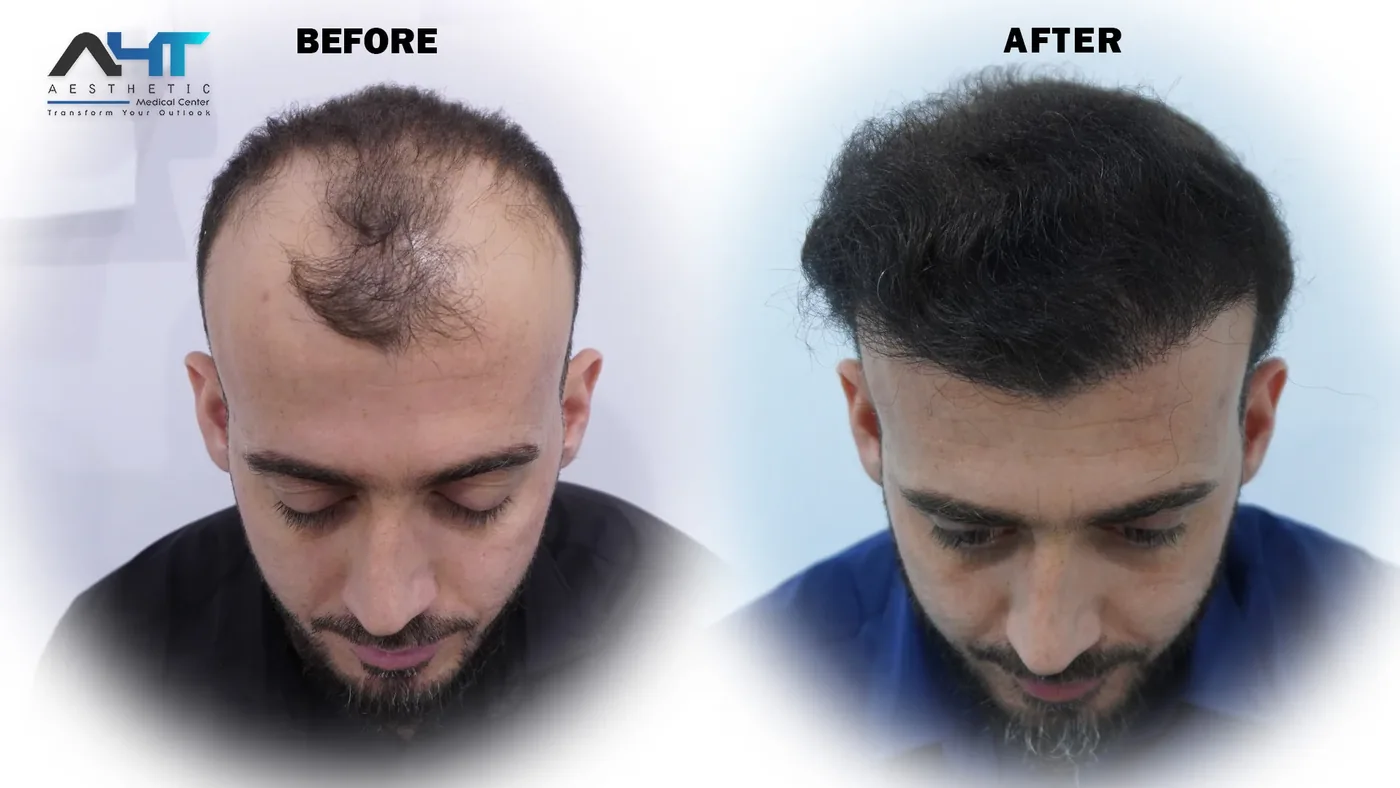
Hairline transplant results do not appear overnight. After the procedure, transplanted hairs often shed before regrowth begins. Early growth may start within a few months, while fuller visible improvement typically develops gradually over 9 to 12 months.

Density expectations also need to be realistic. The goal is natural improvement, not the appearance of a heavy wig-like edge. In some cases, one session is enough. In others, especially when more lowering or density is needed, a second session may be considered later.

Texture can also matter. Curly, wavy, and coarse hair can create the look of greater fullness with fewer grafts, while very fine straight hair may require more strategic planning to achieve the same visual effect.

Should you combine a transplant with other treatments?

Often, yes. Surgery restores hair where follicles are no longer producing adequate growth, but it does not automatically protect surrounding hair from future thinning. Depending on the diagnosis, many patients benefit from supportive treatments such as PRP or medically guided hair loss management to strengthen existing hair and protect the overall result.

This combination approach is especially relevant for women with early diffuse thinning. A transplant may improve the front edge, but preserving native hair is what helps the result stay balanced over time.

Questions worth asking at your consultation

A worthwhile consultation should go beyond price and graft count. You want to know whether your donor area is truly stable, which method is most suitable, whether your hair loss pattern suggests progression, and how the proposed hairline design will age with you.

It is also reasonable to ask who designs the hairline, who performs each part of the procedure, what recovery looks like, and whether non-surgical treatment is recommended alongside surgery. Patients tend to feel more confident when the plan is clearly explained rather than oversold.

At a specialist clinic, the goal should be a hairline that looks like it belongs to you, not one that simply looks newly transplanted. For women considering treatment in Dubai, choosing a provider with dedicated experience in female hair restoration can make the planning process far more precise and reassuring.

Choosing among female hairline transplant options

The best option is not always the newest one or the least invasive one. It is the one that fits your scalp, your donor supply, your styling preferences, and your long-term hair goals. FUE may be ideal for one patient, while FUT may offer better graft value and donor preservation for another. Some women are ready for surgery now. Others will get a stronger result by stabilizing hair loss first.

That is why individualized planning matters so much. At A H T Aesthetic Medical Center, hair restoration is approached with both medical judgment and cosmetic precision, which is exactly what female hairline work demands.

If your hairline has become a daily source of frustration, the next step is not guessing which procedure sounds best online. It is getting a clear assessment of what is causing the change and what can realistically restore it in a natural, lasting way.