Hair Transplant Success Story Men Trust
May 31, 2026

Hair Transplant Success Story Men Trust

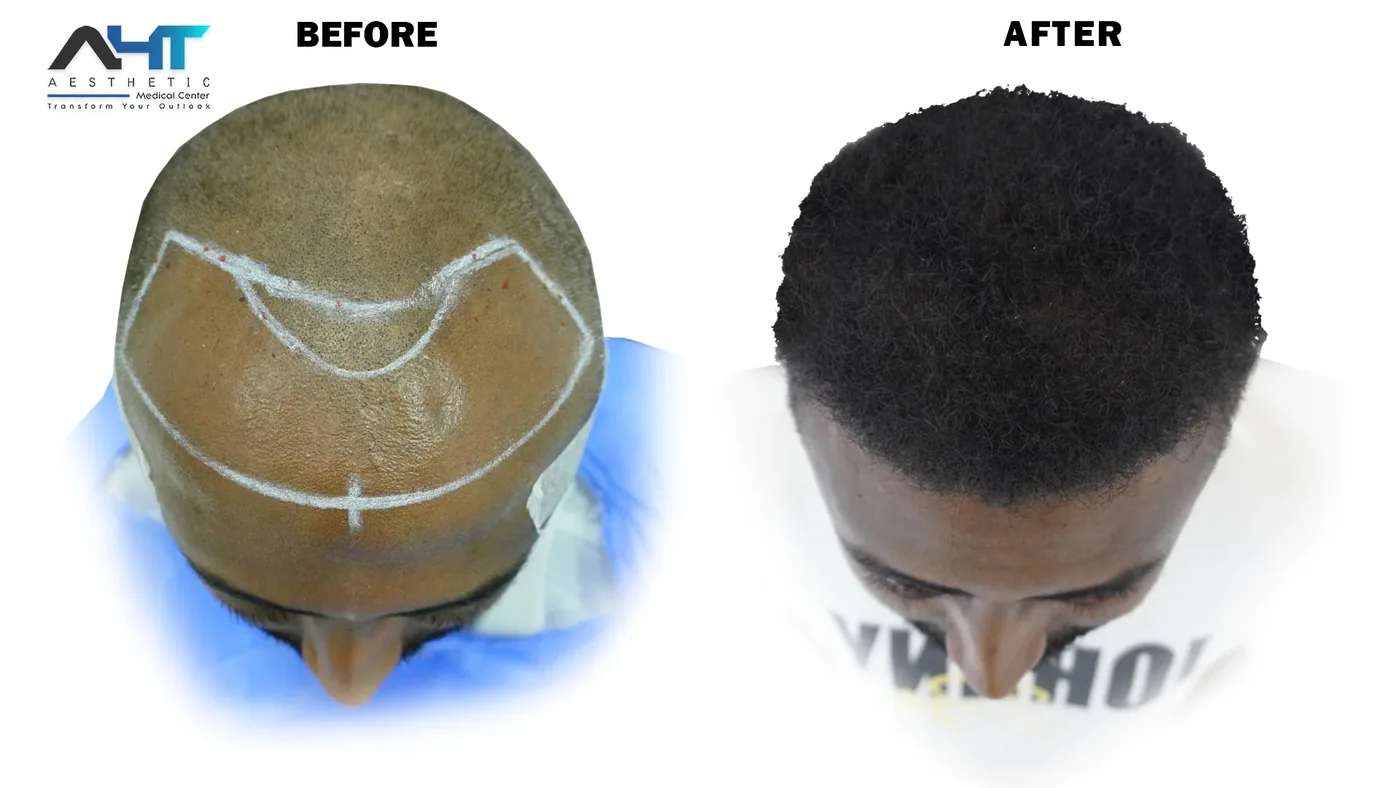
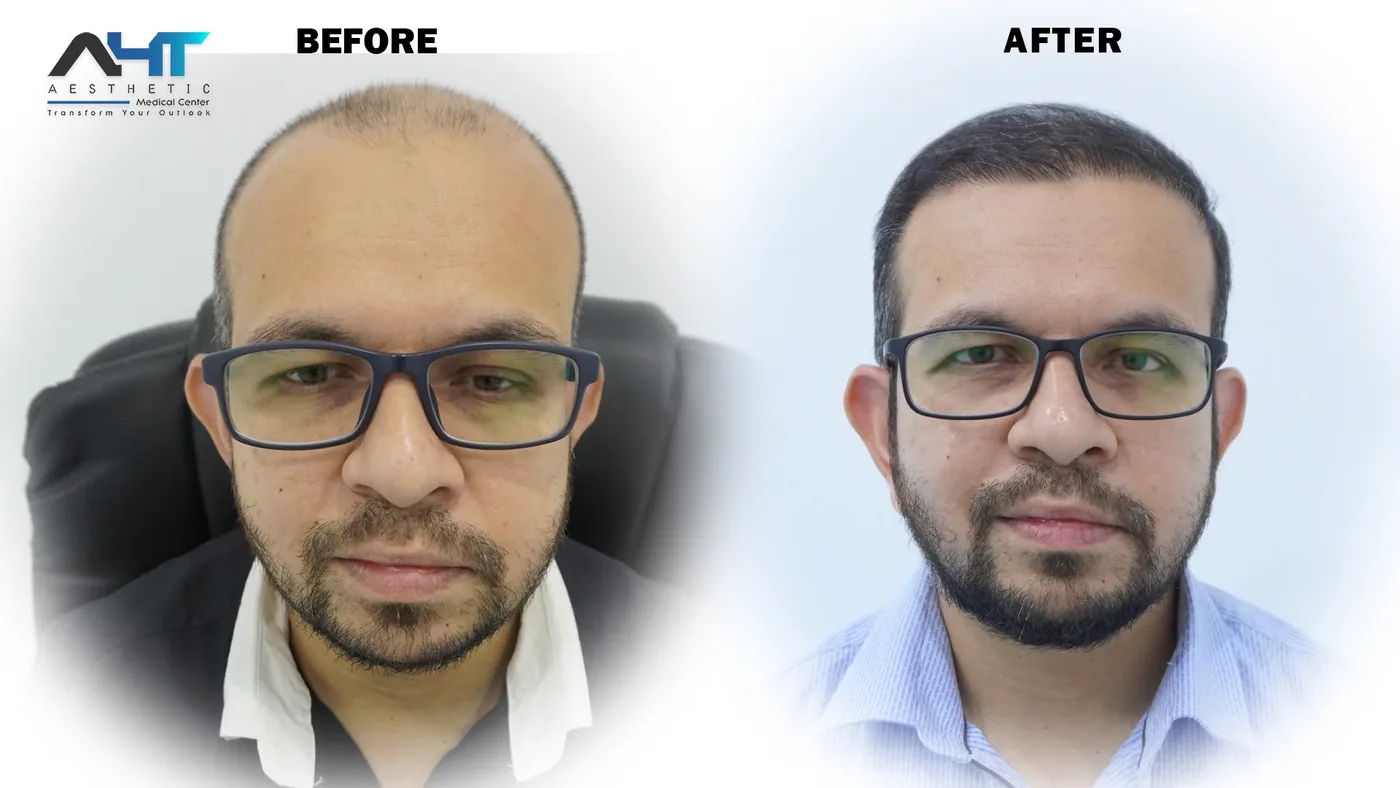
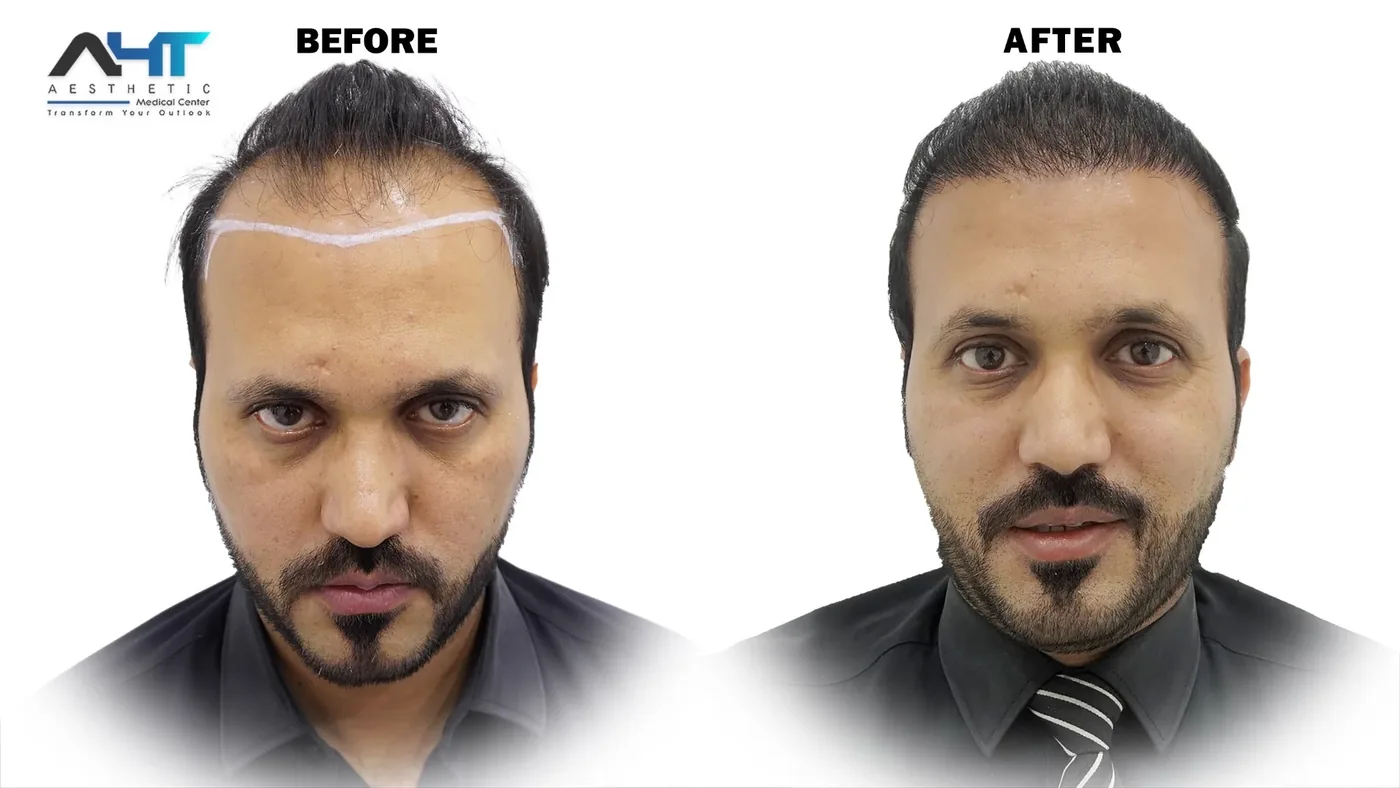
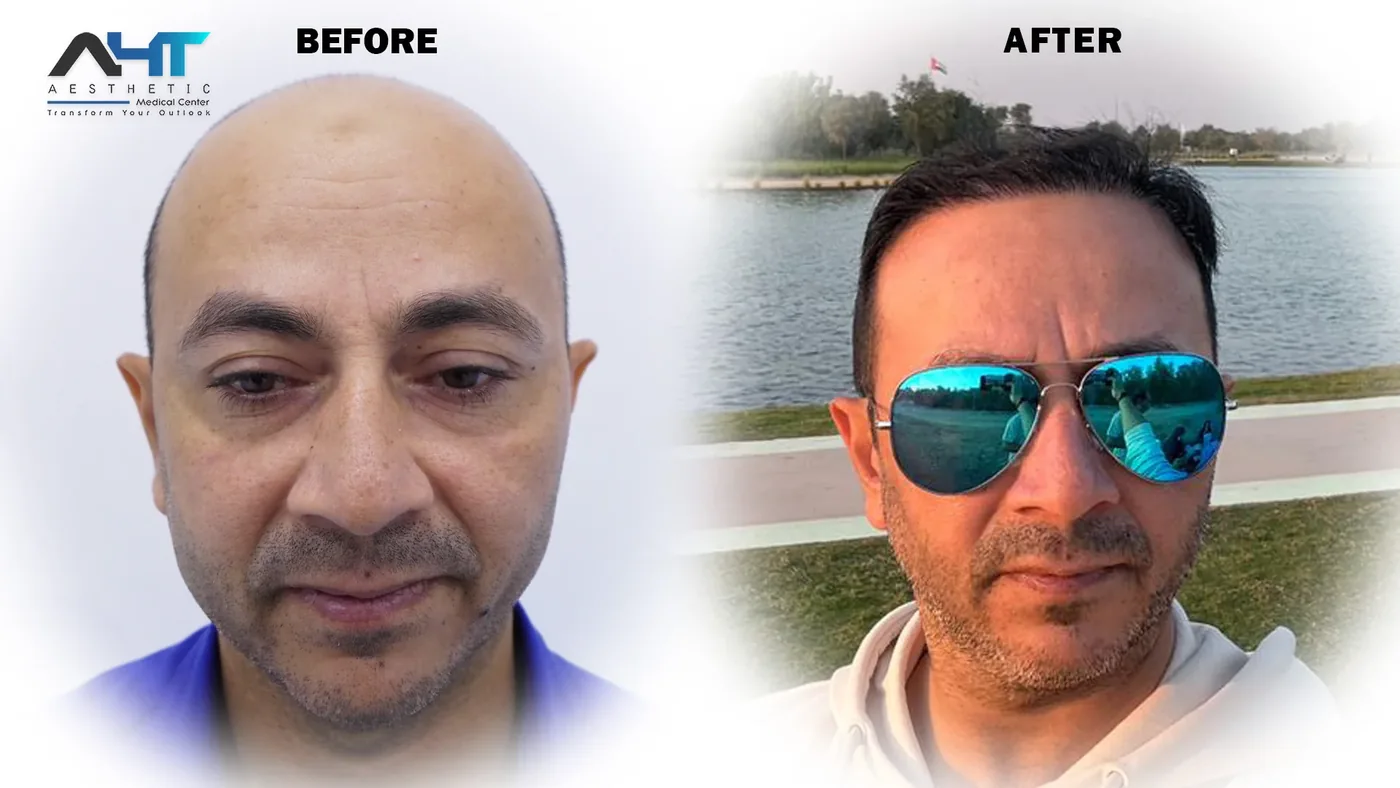
The moment most men start seriously researching treatment is not when they first notice shedding. It is when the mirror begins to change how they feel before work, social events, or photos. A real hair transplant success story men relate to usually starts there – with frustration, hesitation, and one key question: will it actually look natural?

The honest answer is yes, it can. But success is not luck, and it is not just about getting grafts placed. A strong result comes from the right diagnosis, a realistic plan, skilled technique, and disciplined aftercare. When those parts work together, the outcome can be subtle in the best possible way. People may notice you look younger, sharper, or more rested without immediately identifying why.

What a hair transplant success story for men really means

Many men picture success as a dramatic before-and-after image. That is part of it, but it is not the full story. In clinical terms, success means creating a hairline that suits your age, facial structure, and future hair loss pattern while protecting donor supply for the long term.

That matters because not every patient should receive the same design. A low, aggressive hairline might look appealing at first, but if it ignores likely future thinning, it can create an unnatural appearance later. The best outcomes are planned with restraint, precision, and a clear understanding of what will still look right years from now.

For patients, success also means the process feels manageable. Clear consultation, realistic expectations, minimal discomfort, and proper follow-up all shape the experience. Men are often relieved to learn that modern hair restoration is far more refined than the outdated transplant results they may still picture.

The patient journey behind a believable result

A believable result usually begins with a man in his 30s or 40s who has spent years trying to control thinning with shampoos, supplements, concealers, or medication alone. He is not necessarily completely bald. In fact, many of the best candidates still have enough existing hair to support a natural transition after transplant.

During consultation, the first step is not scheduling surgery. It is assessing whether hair transplant treatment is the right option at all. Pattern of loss, donor density, hair caliber, scalp condition, family history, and age all affect the plan. Some men need medical therapy first to stabilize ongoing loss. Others are good candidates immediately, especially if recession at the temples or thinning at the crown has become established.

This stage is where trust is built. A patient-centered clinic will explain what can be improved, what cannot be promised, and how many grafts are likely needed. That honesty is one of the clearest signs you are on the path to a real success story instead of a sales pitch.

Why the hairline matters so much

If you ask men what they worry about most, the answer is usually simple: I do not want it to look fake. That concern is valid. The hairline is the part everyone sees first, and it requires both medical judgment and aesthetic skill.

A natural male hairline is not perfectly straight or densely packed like a wall. It has softness, variation, and age-appropriate shape. The angle and direction of each graft also matter. Even strong growth can look unnatural if the placement pattern is wrong.

This is why technical expertise matters more than flashy promises. A carefully built hairline often looks less obvious immediately after the procedure and much better once it grows in.

Donor management is the hidden part of success

Men often focus on the front because that is what they see in the mirror. Surgeons also have to think about the back and sides of the scalp, where donor grafts are taken. Overharvesting can leave visible thinning in the donor area, especially with short hairstyles.

A quality plan protects this area while using available grafts wisely. Sometimes that means prioritizing the frontal zone first and treating the crown later. That may feel like a compromise, but in many cases it is the smartest route to a natural and stable result.

What happens after the procedure

The first few weeks can test a patient’s confidence. Transplanted hairs often shed before new growth begins, and that can be unsettling if you are not prepared for it. This phase is normal. The follicles remain in place and begin producing new hair over time.

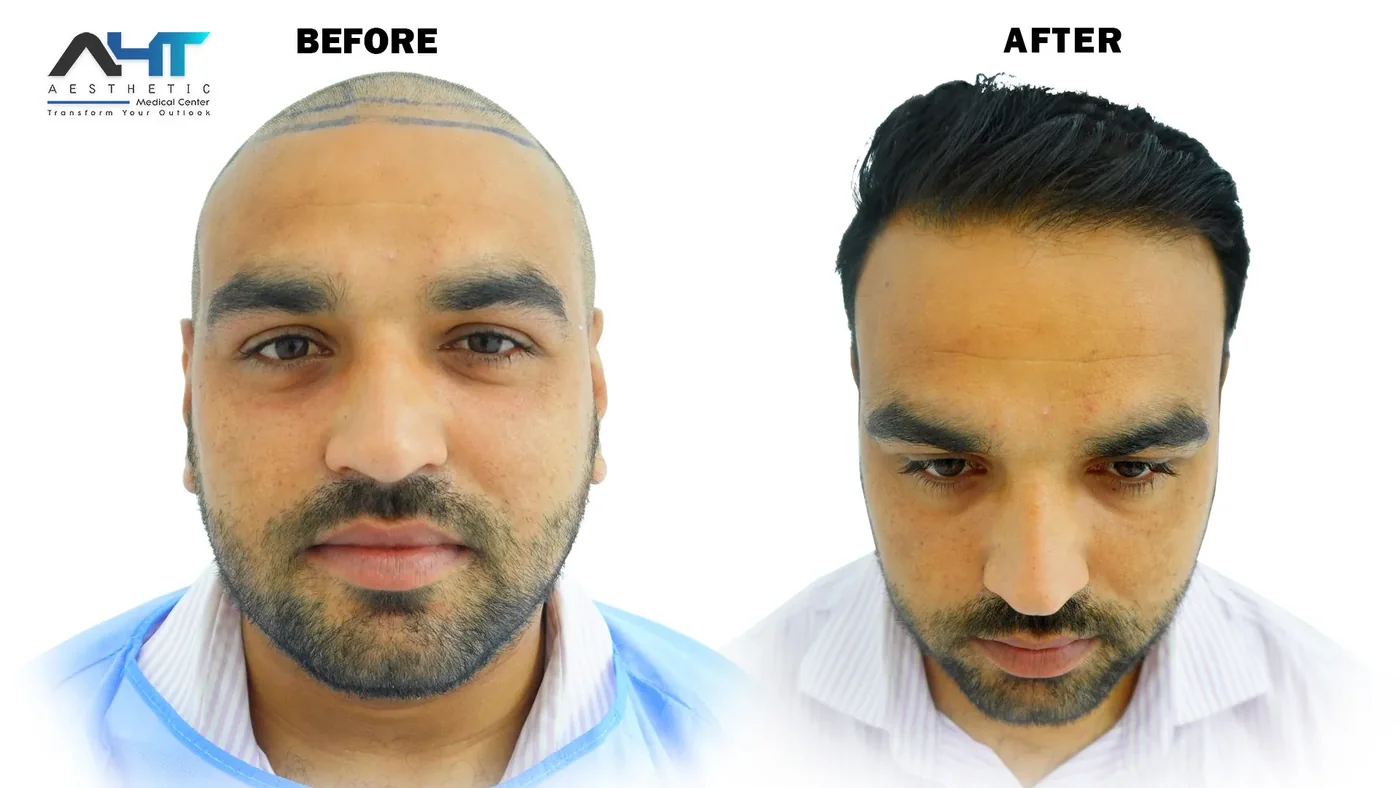
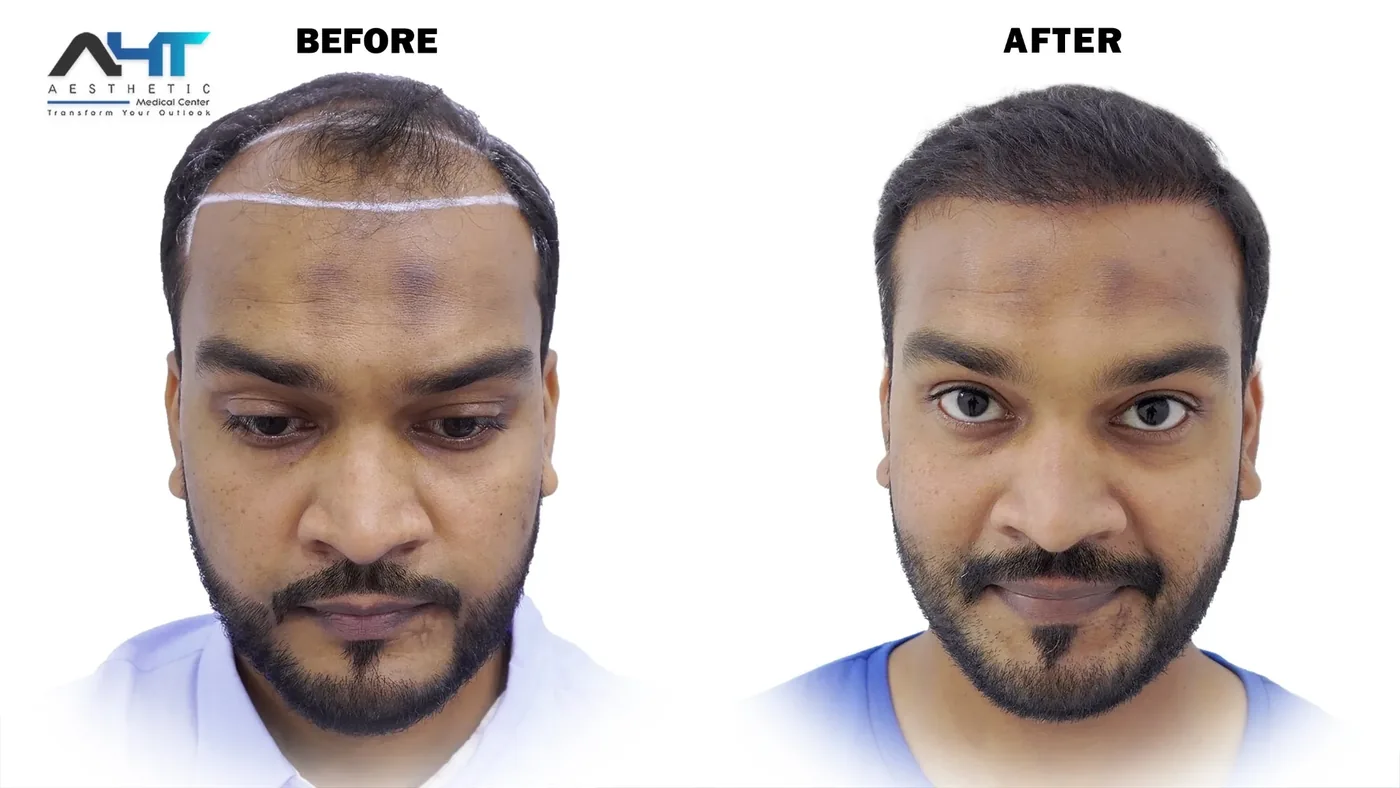
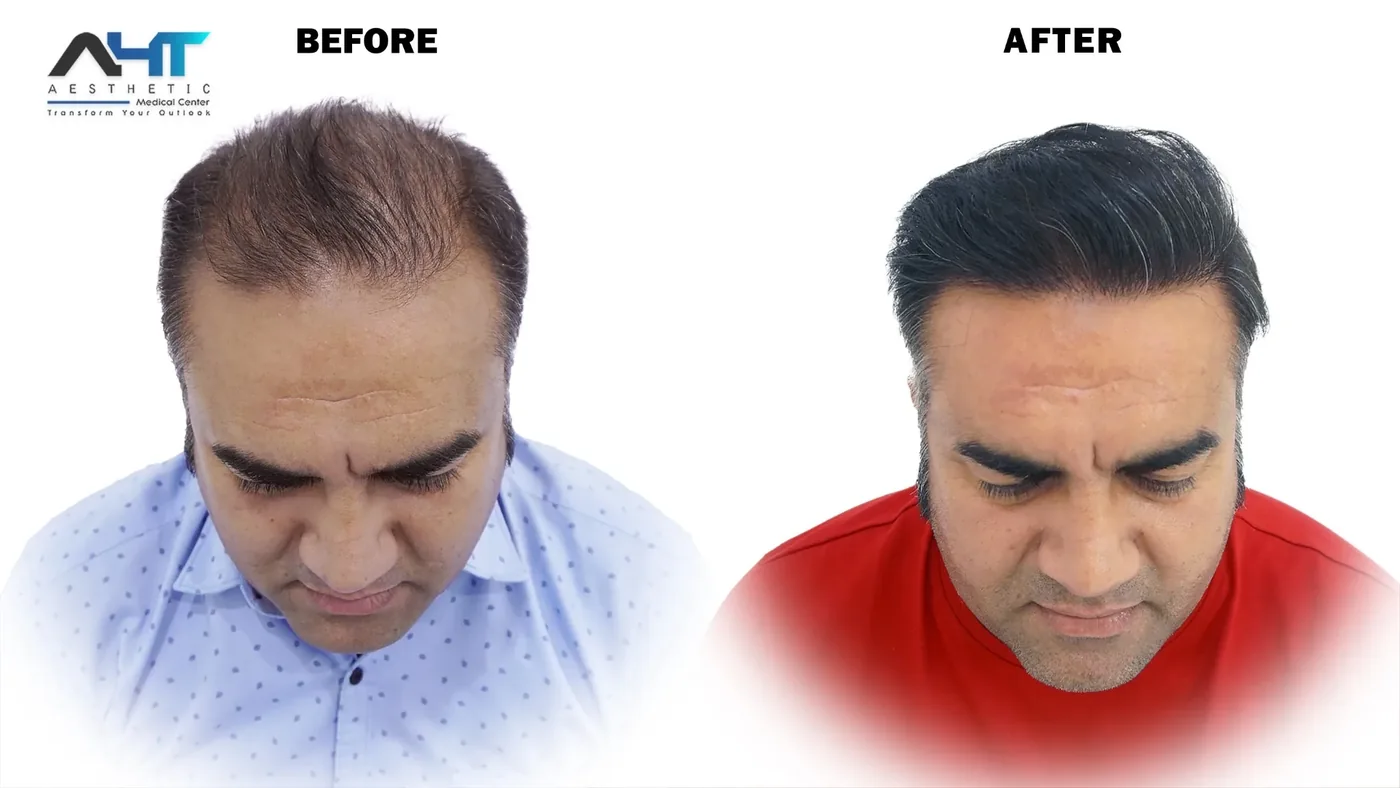
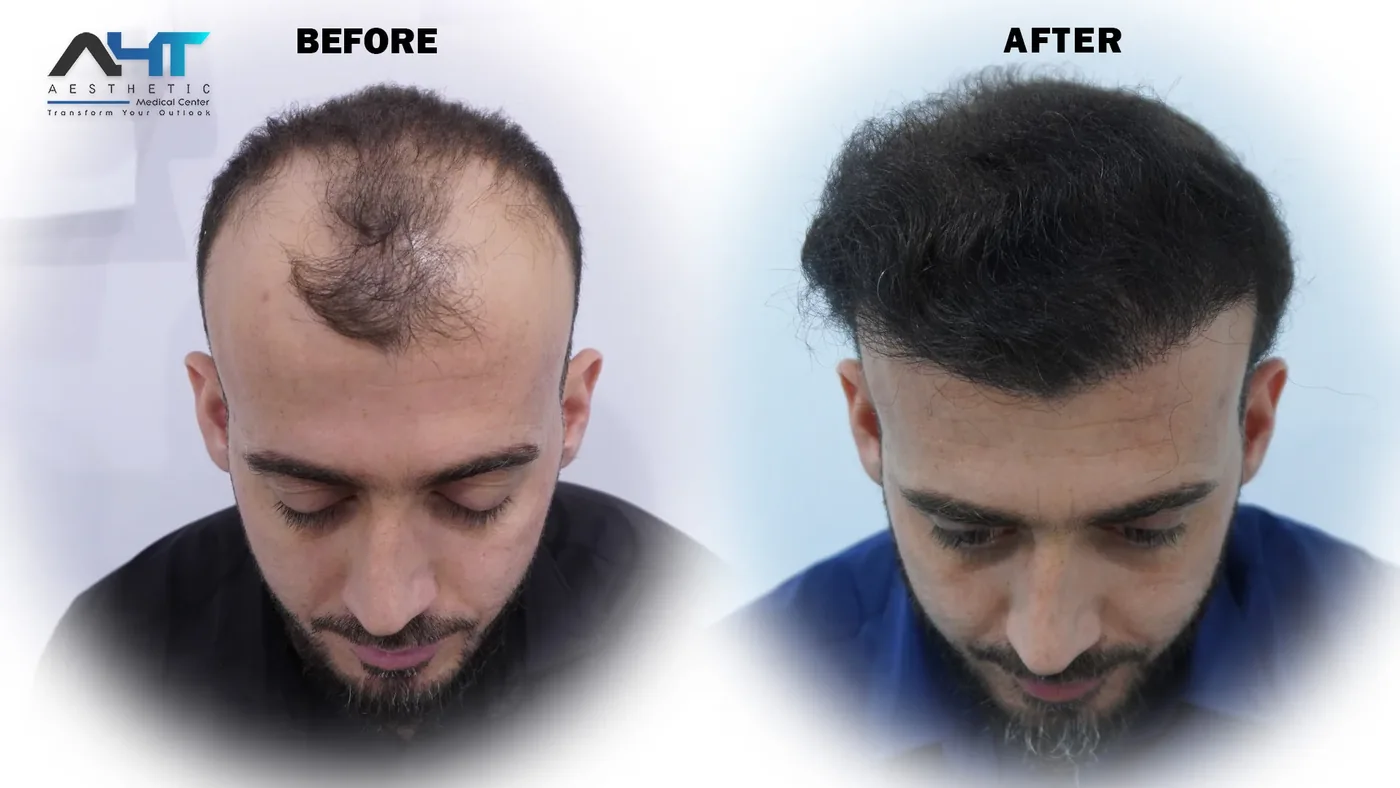
Most men start seeing early growth around the three- to four-month mark, with more noticeable improvement in the following months. At six months, the change is often clear. At nine to twelve months, the result is usually much closer to its final appearance, though texture and density can keep maturing beyond that.

Patience is part of every hair transplant success story men should understand before treatment. The procedure is not an overnight fix. It is a staged biological process, and the timeline varies slightly from one patient to another.

What separates average outcomes from great ones

A successful transplant is not defined by graft count alone. More is not always better. What matters is how well the grafts survive, how naturally they are distributed, and how thoughtfully the plan fits the patient.

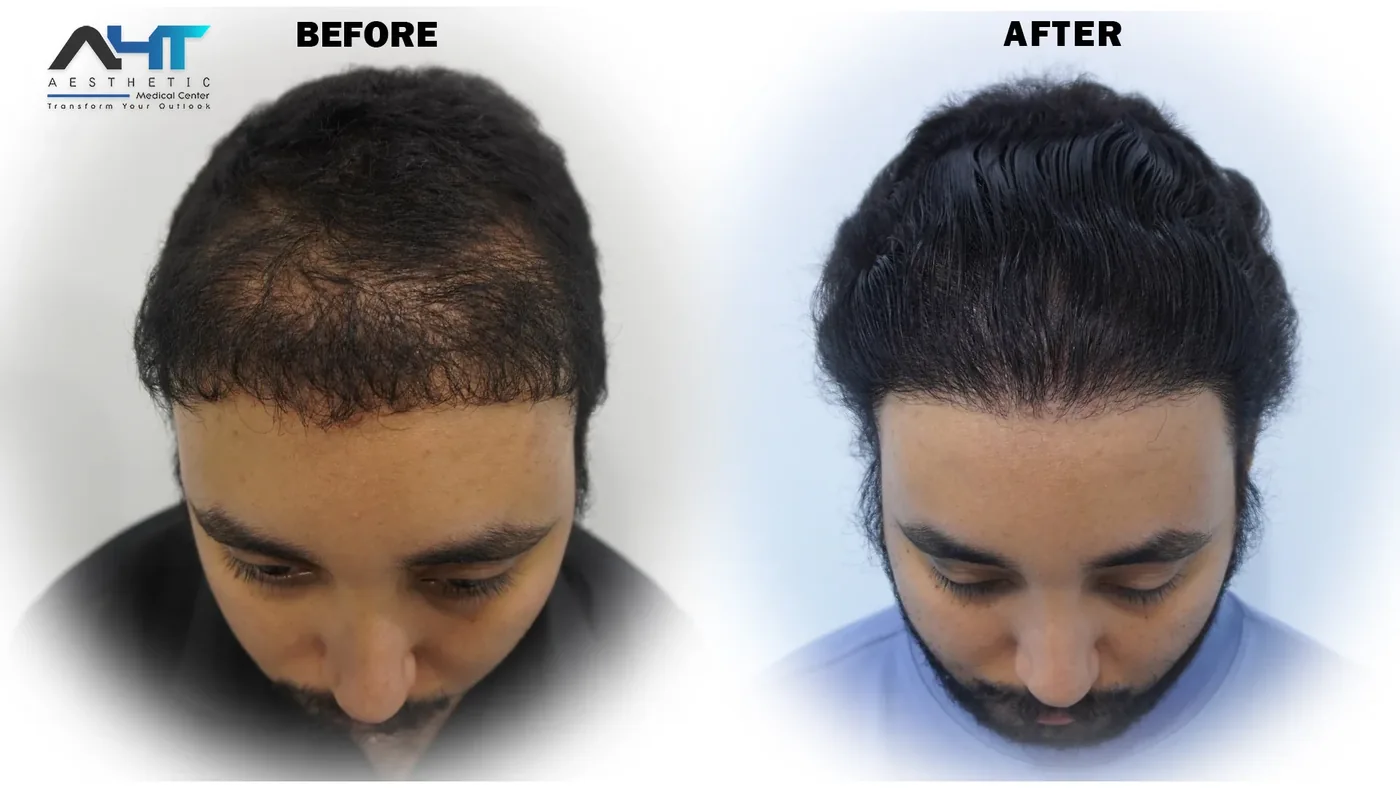
Several factors can influence the final result. Hair characteristics play a role. Thicker hair often creates better visual coverage than finer strands. Curly or wavy hair may provide more perceived density than very straight hair. Skin-to-hair contrast matters too. Dark hair against light skin can make thinning more noticeable and may require especially careful design.

Then there is the issue of ongoing loss. A transplant improves areas with thinning or recession, but it does not stop native hair from miniaturizing over time. For many men, a combined strategy works best. That may include medical support or regenerative options such as PRP to help maintain surrounding hair. The right plan depends on the pattern of loss and long-term goals.

A hair transplant success story men can actually expect

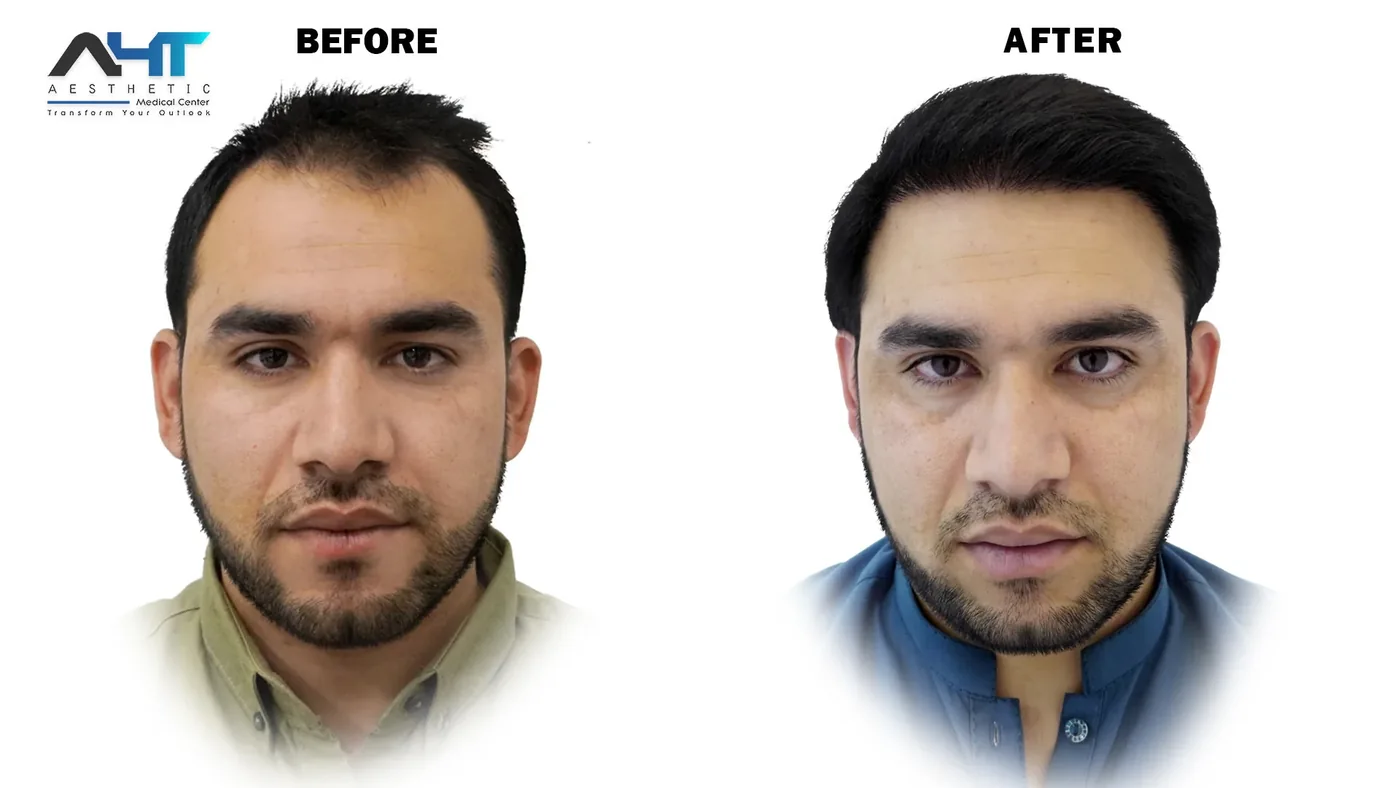
The most satisfying outcomes are often the ones that look understated. A man who once felt the need to style around bare temples can cut his hair more freely. Someone who avoided bright lighting or overhead photos can stop thinking about his scalp all day. Confidence returns in quiet ways first.

That is why realistic expectations are so important. If a patient with advanced loss expects teenage density across the entire scalp in one session, disappointment is likely. If he understands what can be achieved with smart graft use and a medically sound design, he is far more likely to feel the procedure was worth it.

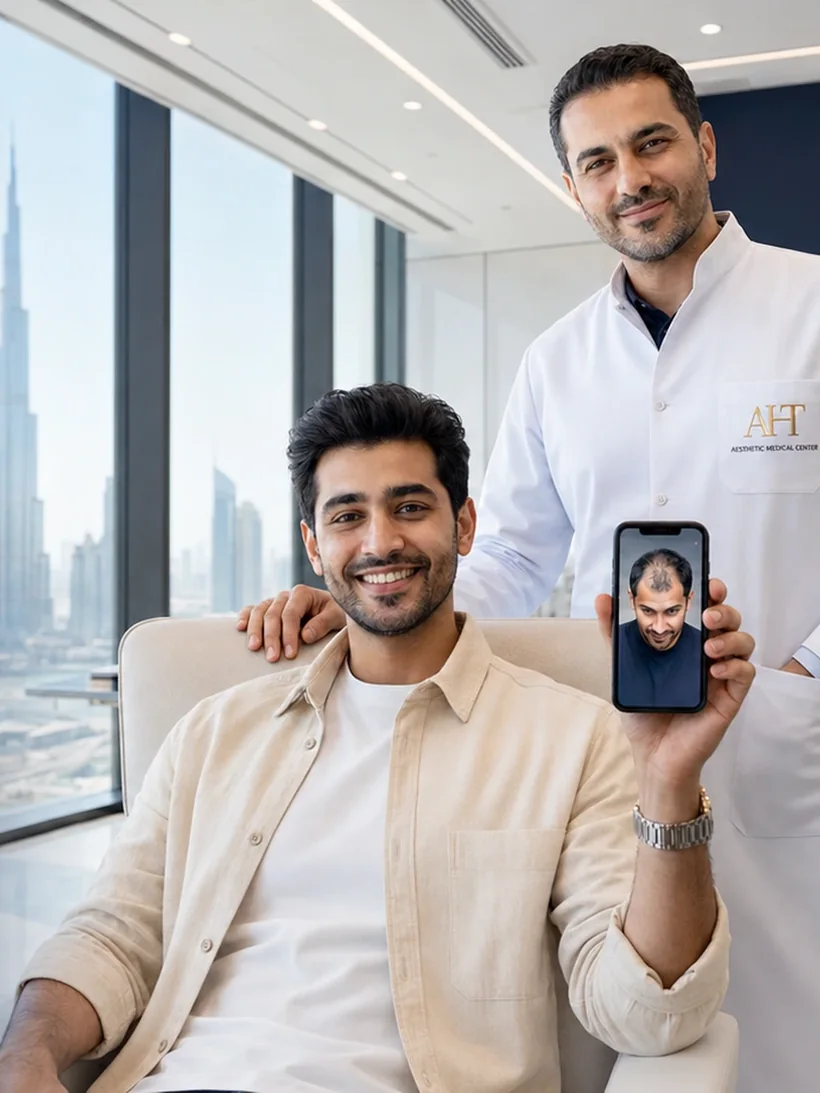
At A H T Aesthetic Medical Center, this kind of planning is central to the treatment approach. Natural-looking results come from individualized assessment, technical precision, and support that continues after the procedure, not from one-size-fits-all promises.

How men can improve their chances of success

Choosing the right clinic is the biggest decision, but patient behavior matters too. Following washing instructions, protecting the scalp, avoiding early physical strain, and attending follow-up care can all influence healing. Smoking, poor compliance, or returning too quickly to high-sweat activities can make recovery more difficult.

It also helps to be honest during consultation. If you wear your hair very short, want a mature rather than youthful hairline, or are concerned about crown coverage more than frontal density, those details should shape the plan. The more tailored the design, the more natural the result is likely to feel.

For men traveling for treatment, including those considering care in Dubai, structured aftercare and clear communication become even more valuable. The procedure itself may take a day, but the experience extends well beyond it.

The emotional side is real

Men do not always talk openly about the effect of hair loss, but it can change how they carry themselves. Some become more withdrawn in photos, meetings, or dating. Others simply feel older than they are. A successful transplant does not solve every confidence issue, but it can remove a daily source of self-consciousness.

That shift is what makes the best results feel meaningful. The goal is not to look like someone else. It is to look like yourself again, with features restored in a way that feels believable and balanced.

If you are considering treatment, the smartest first step is not chasing the most dramatic before-and-after image. It is finding expert guidance, asking direct questions, and choosing a plan built for your hair, your face, and your future.