Most patients asking is hair transplant painful are not worried about the surgery alone. They are thinking about the injections, the hours in the chair, sleeping afterward, and whether the recovery will interrupt work or daily life. That is the right question to ask, because the honest answer is reassuring but not one-size-fits-all.
A hair transplant is usually much more comfortable than people expect. You should not feel sharp pain during the actual extraction and placement of grafts because the scalp is numbed with local anesthesia. What patients do notice is a short period of discomfort at the beginning, some pressure during the procedure, and mild soreness or tightness after treatment. For most people, it is manageable and temporary.
Is hair transplant painful during the procedure?
The part patients are most likely to feel is the numbing stage. Local anesthetic is used so the donor area and recipient area become insensitive before grafts are removed and implanted. Those first injections can sting or burn for a few seconds. That moment is often the most uncomfortable part of the day.
Once the anesthetic takes effect, the procedure itself is generally not painful. You may feel touch, movement, or pressure, but not the kind of pain people often imagine when they hear the word surgery. If any area starts to feel sensitive during treatment, the medical team can usually add more anesthesia to keep you comfortable.
This is one reason technique and clinical experience matter. A careful team does more than perform the transplant well. They monitor your comfort throughout the session, explain what is happening, and adjust when needed. That level of support makes a real difference, especially for patients who arrive feeling tense.
Why pain levels vary from person to person
Not everyone experiences a hair transplant in exactly the same way. Pain tolerance differs, but so do scalp sensitivity, anxiety levels, treatment size, and the method being used.
A smaller session with limited grafts may feel easier simply because you spend less time in treatment. Larger cases can create more fatigue, more swelling, or more post-procedure soreness. Patients who are naturally anxious sometimes interpret pressure or injections more intensely, while calm, well-prepared patients often report a smoother experience.
The donor area also matters. In many modern procedures, follicles are taken from the back and sides of the scalp. That area can feel sore afterward because it has been worked on extensively. In some cases, the recipient area at the front hairline or crown feels more tender later, especially when the anesthetic wears off.
What does recovery feel like after a hair transplant?
After the procedure, most patients describe discomfort as mild rather than severe. The most common sensations are tenderness, tightness, swelling, and sensitivity when touching the scalp. Sleeping can feel awkward for a few nights, especially if you have been told to keep your head elevated and avoid rubbing the grafts.
The first night is usually the most noticeable because the numbing medicine has worn off and the scalp feels more aware. Even then, many patients manage well with the aftercare plan provided by their clinic and any recommended medication. By the next few days, the discomfort usually starts to improve.
The donor area often feels similar to a scraped or bruised patch of skin. The recipient area may feel tender and look red. Tiny scabs can form around implanted grafts, which is normal. These changes are part of healing, not a sign that something is wrong.
If a patient is expecting zero sensation at all, they may feel surprised. If they are expecting severe pain, they are usually relieved. Hair transplantation is better described as a minimally invasive procedure with a short period of manageable discomfort, not an intensely painful experience.
The first week: where most discomfort happens
Pain concerns are usually highest before surgery, but the recovery window is where patients need the clearest expectations. The first few days require care, patience, and a little discipline.
You may notice swelling in the forehead, mild itching, or a tight feeling across the scalp. Itching is common during healing and can be more bothersome than pain. The challenge is not scratching or disturbing the grafts. Washing instructions also matter. The scalp must be cleaned gently and exactly as advised to protect the new follicles.
By the end of the first week, many people feel significantly better. The scalp still looks like it is healing, but tenderness typically decreases. Returning to desk work is often possible earlier than returning to exercise, sun exposure, or anything that risks friction against the grafts.
What makes a hair transplant feel easier?
A modern hair transplant feels easier when the treatment plan is personalized, the medical team is experienced, and the patient follows aftercare closely. Comfort is not only about medication. It is also about preparation and technique.
Gentle handling of the scalp, efficient graft placement, and clear instructions all reduce unnecessary stress. Clinics that specialize in hair restoration tend to have stronger systems for comfort management because they perform these procedures regularly and know where patients usually feel nervous.
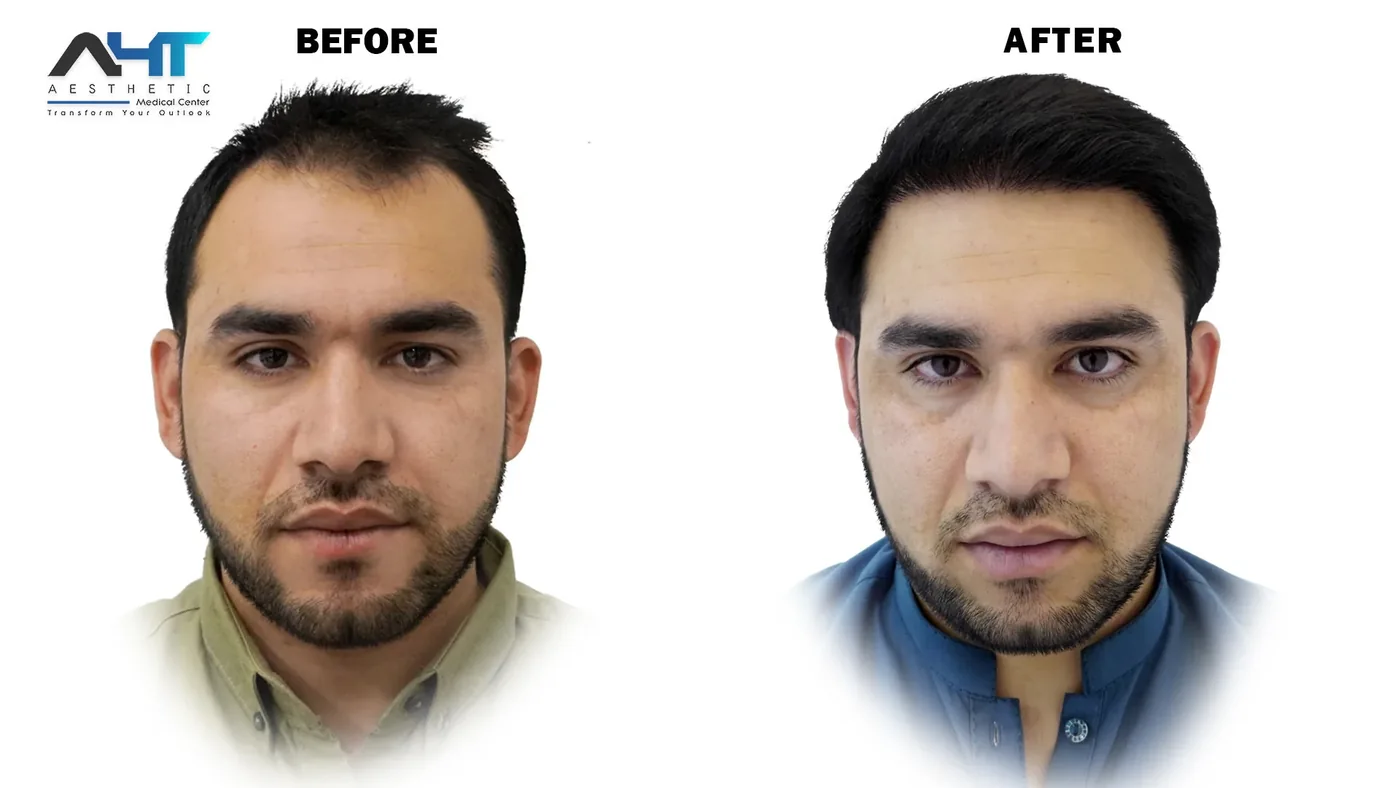
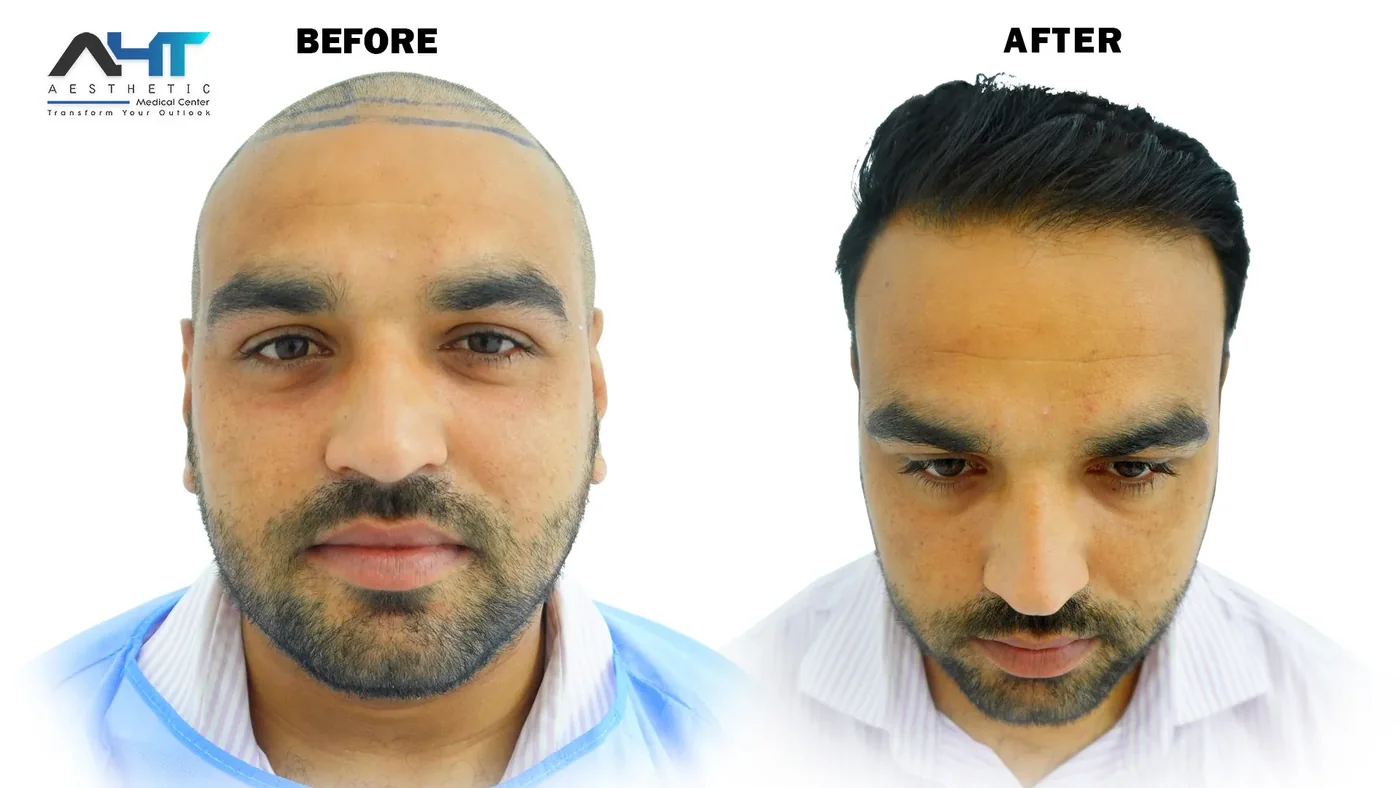
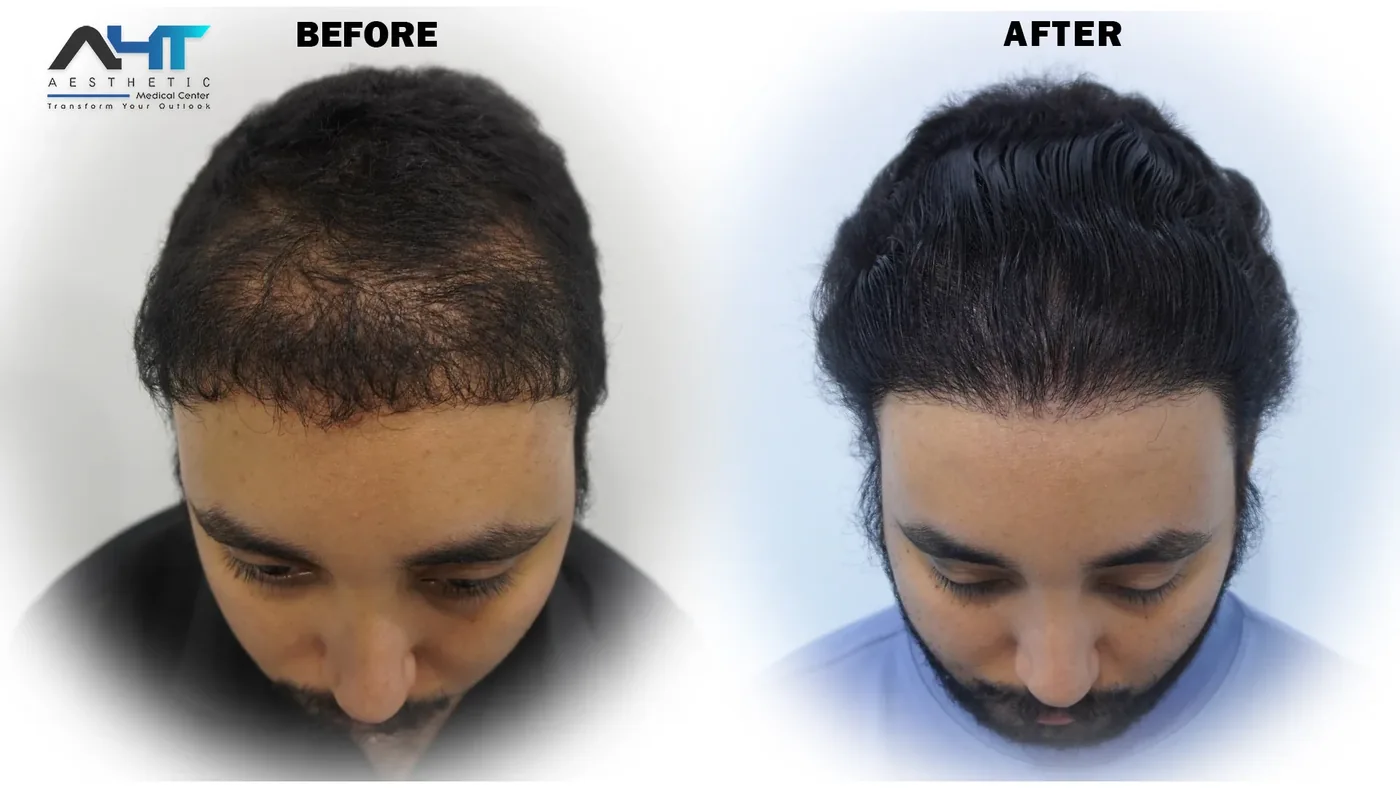
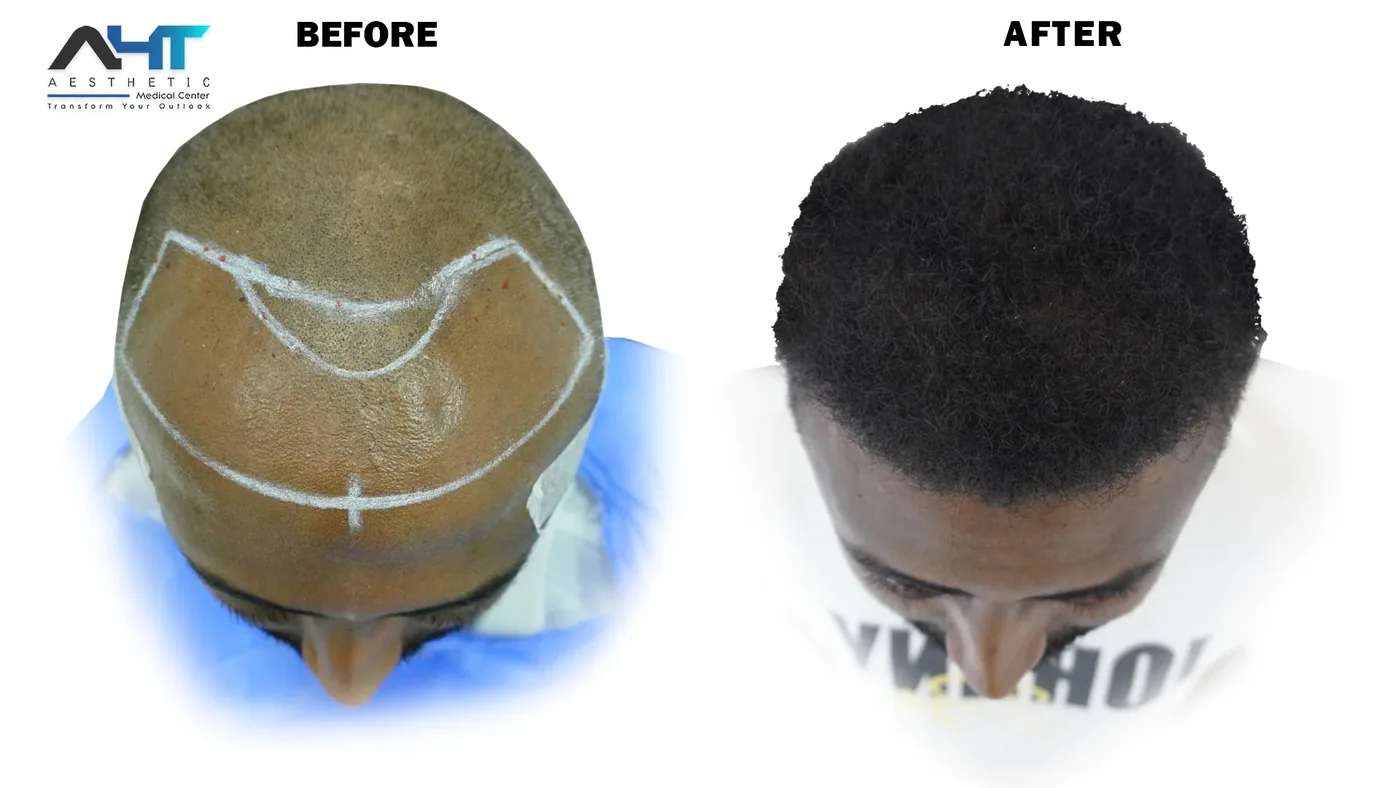
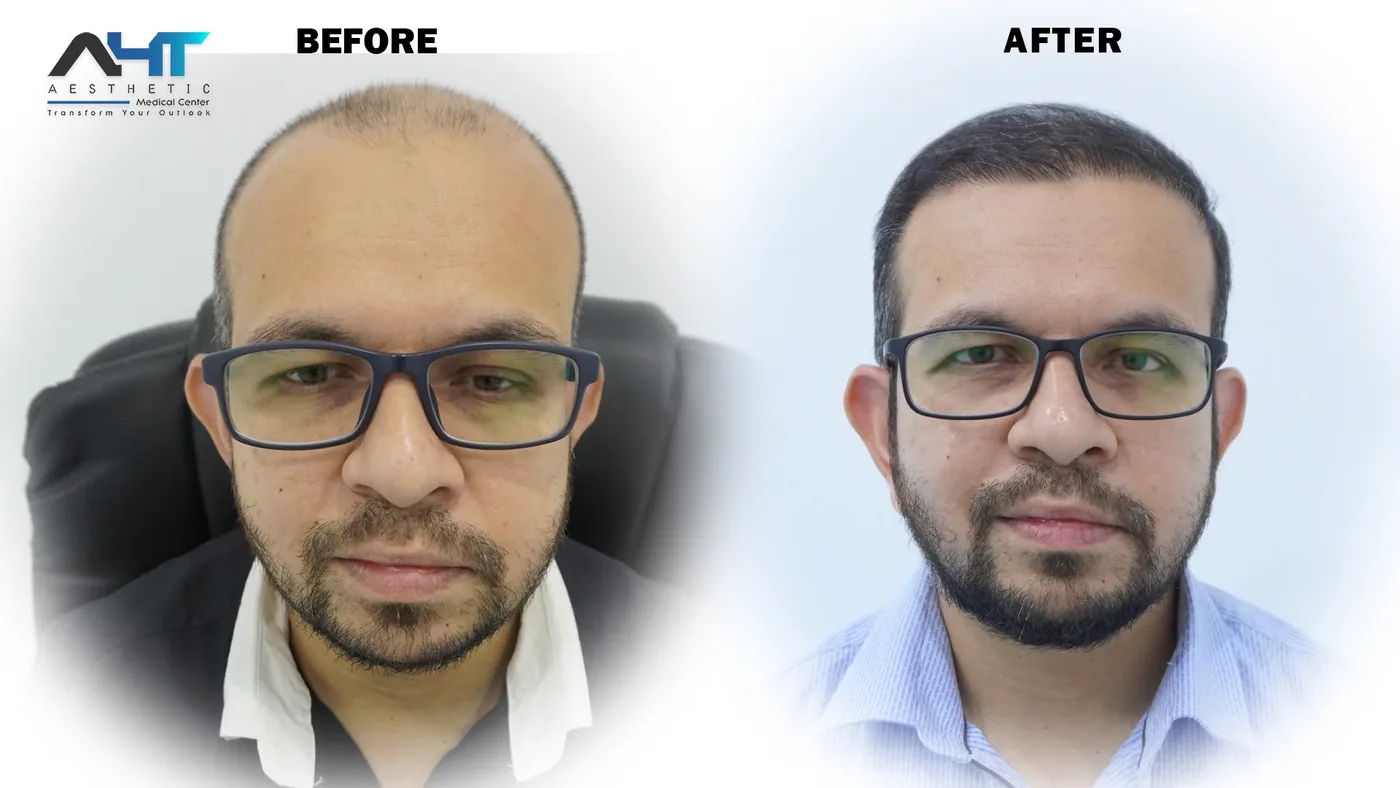
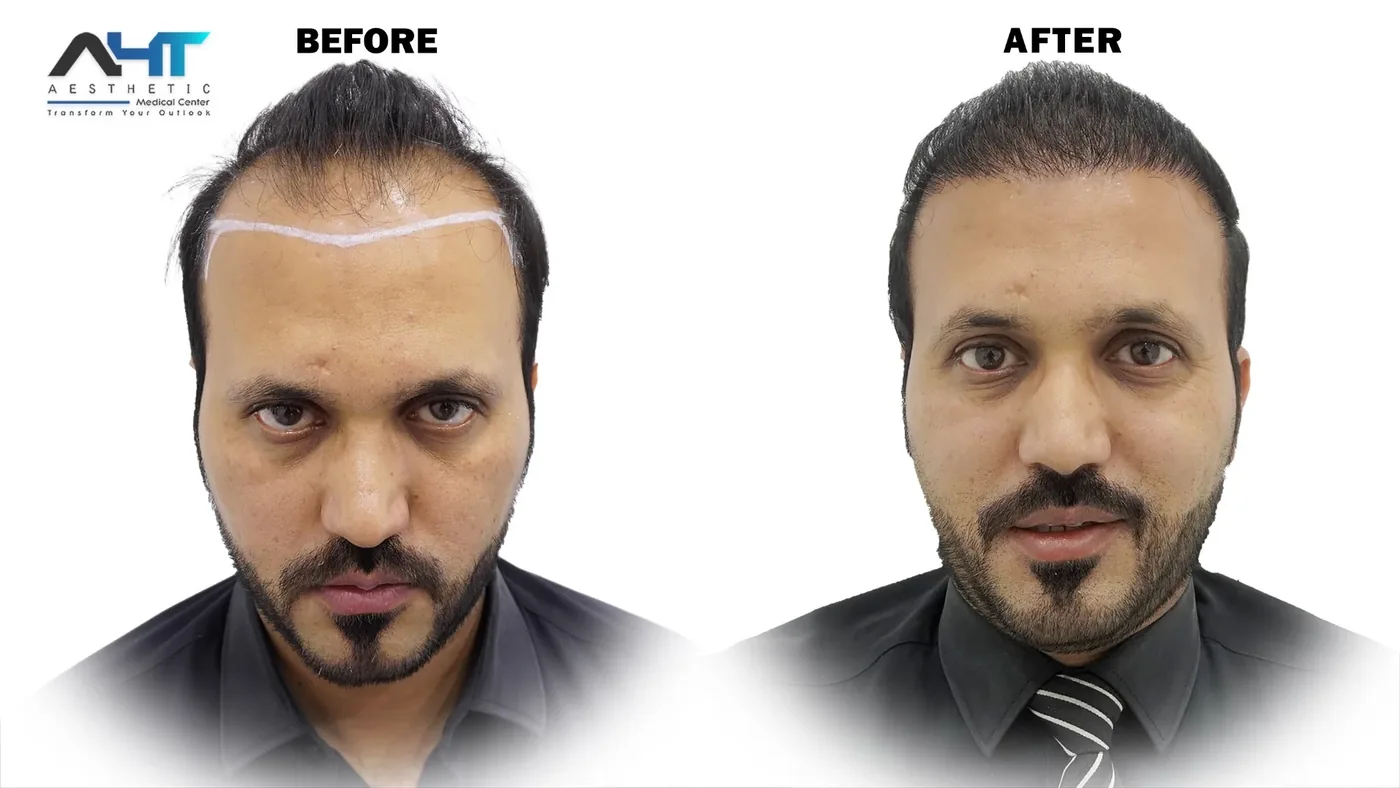
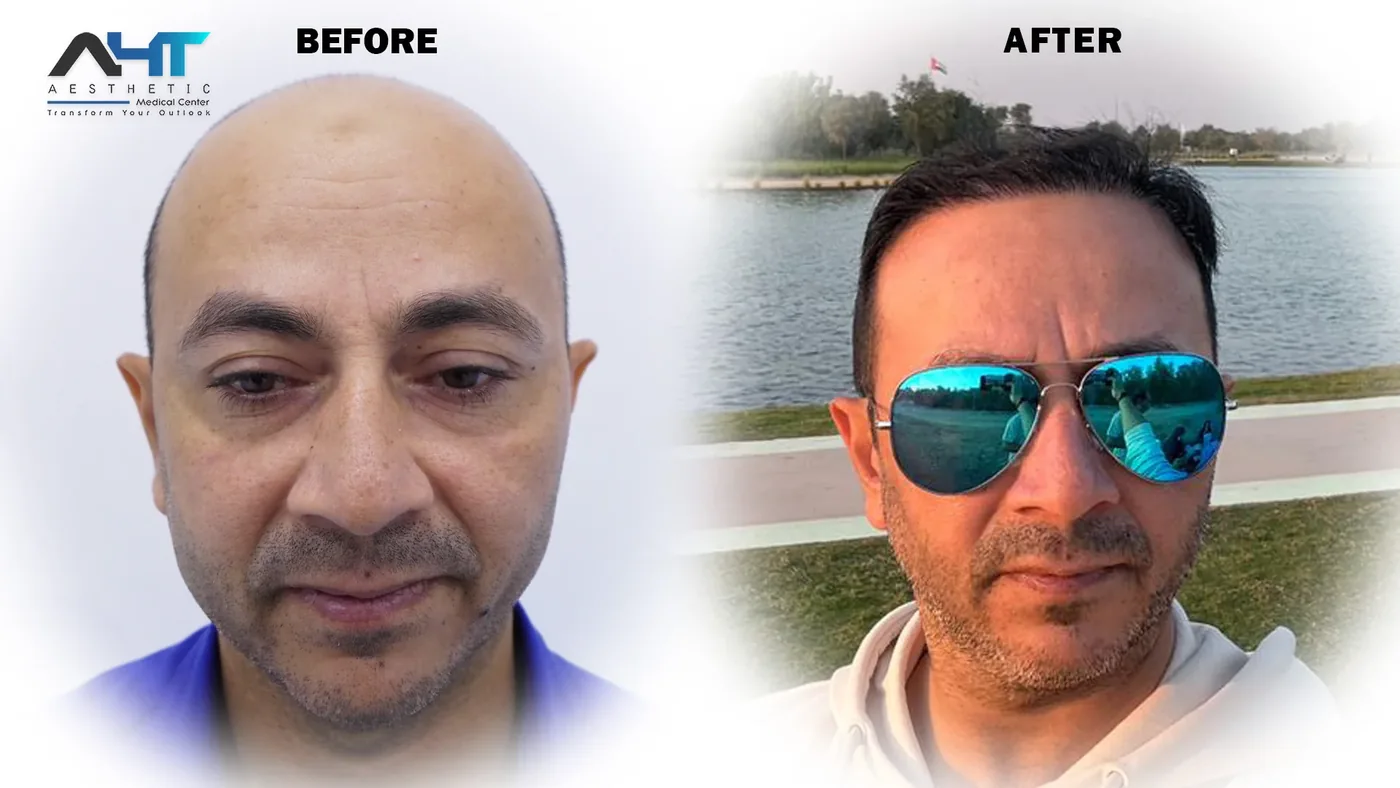
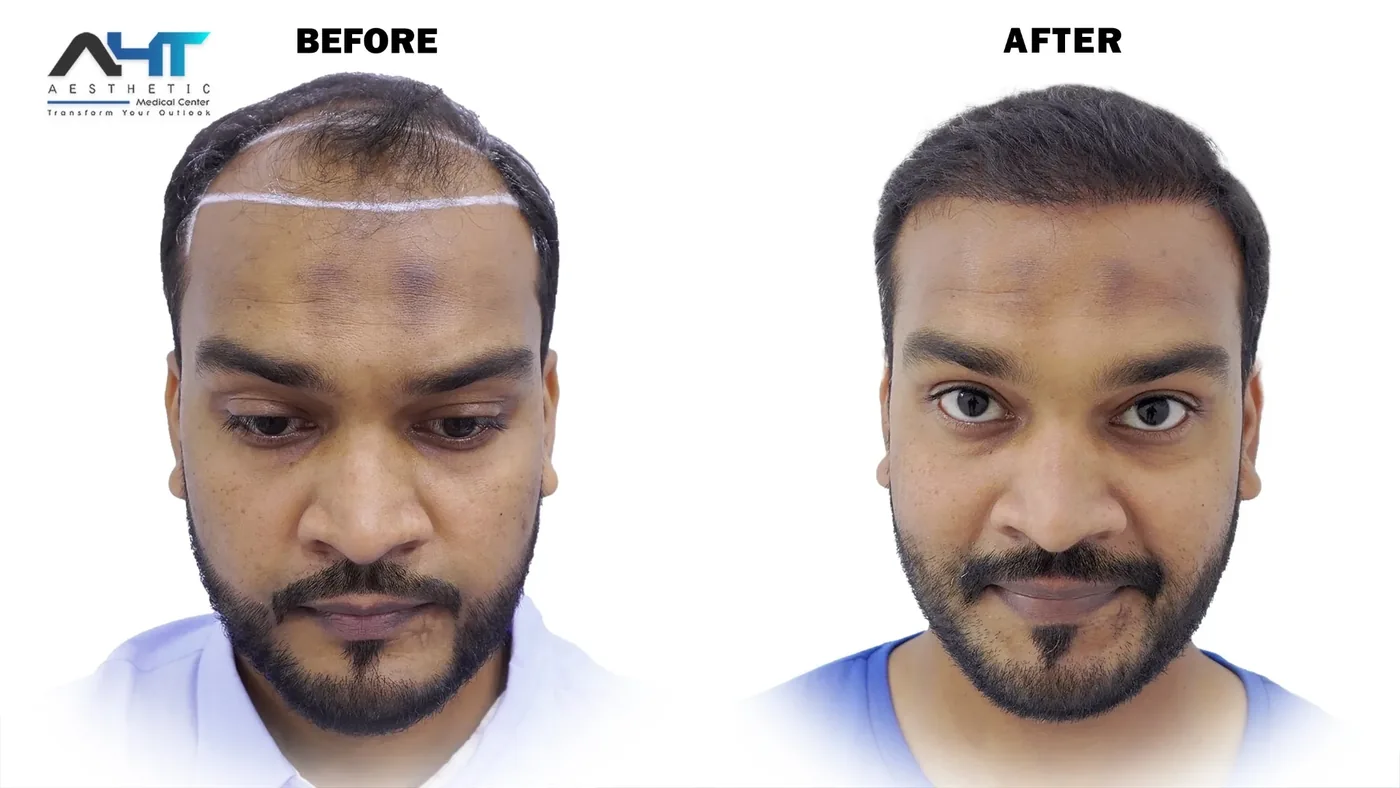
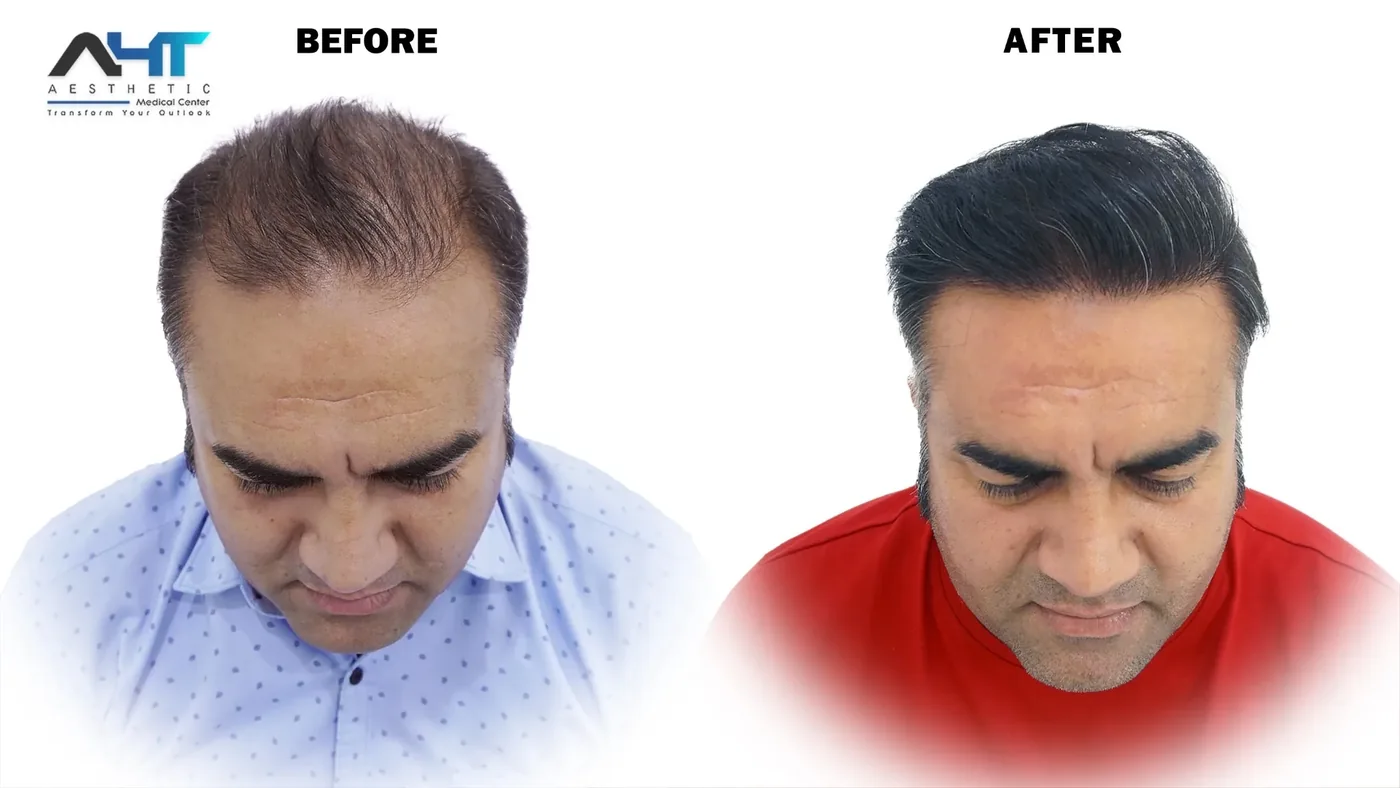
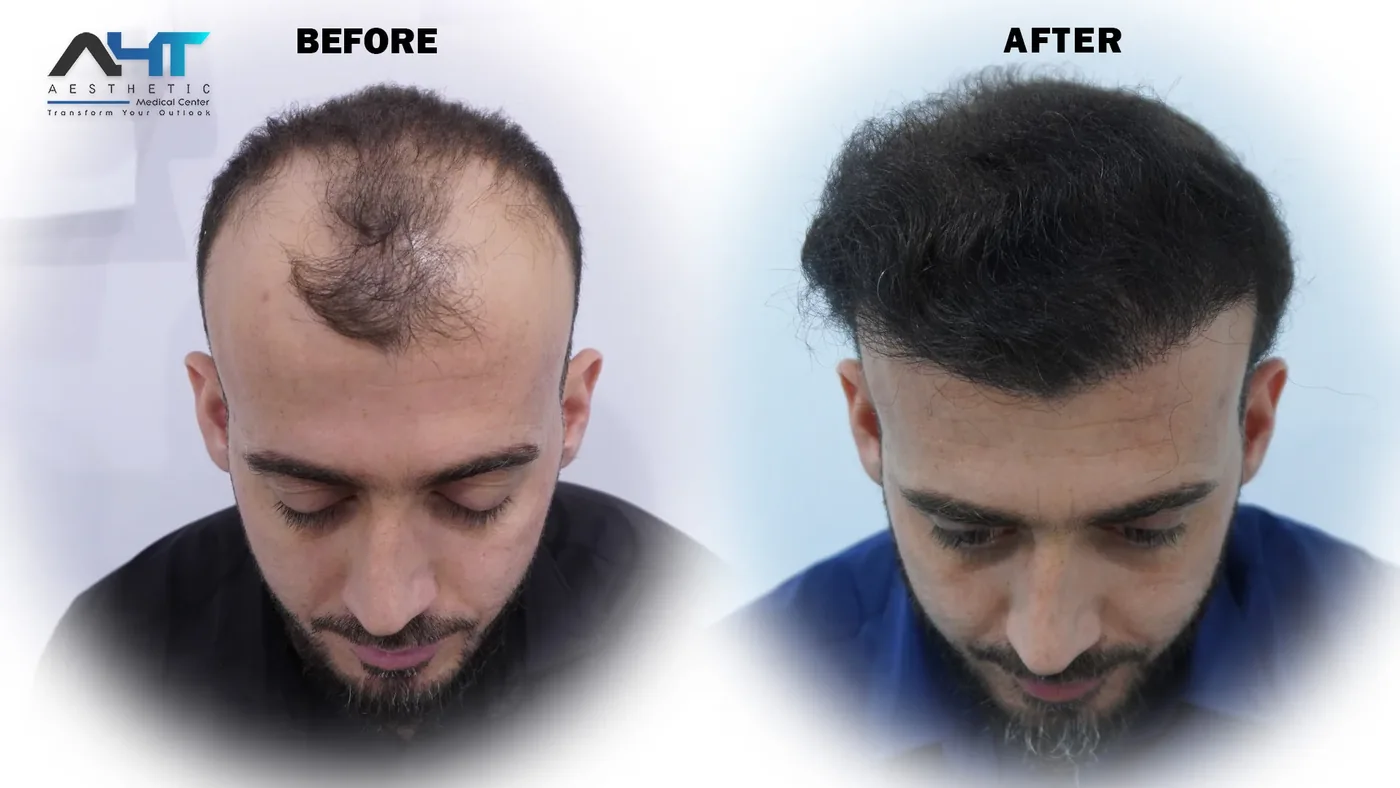
This is where a specialist setting can be valuable. At A H T Aesthetic Medical Center, patient care is built around advanced hair restoration and supportive treatment planning, which helps reduce uncertainty before, during, and after the procedure. For many patients, reassurance is part of pain control.
Common concerns patients ask before booking
One common question is whether sedation is needed. In many cases, it is not. Local anesthesia is usually enough to keep the scalp comfortable. Some patients prefer additional measures for relaxation, but that depends on the clinic, the case, and the patient’s medical profile.
Another concern is whether women experience more pain than men. There is no simple rule. Pain perception is personal, and both men and women can tolerate hair transplant procedures very well when the treatment is planned properly.
Patients also ask whether FUT or FUE hurts more. In general terms, FUE is often considered easier from a recovery standpoint because it does not involve removing a strip of scalp. FUT can lead to more tightness or soreness in the donor area afterward. Still, the best technique is not chosen on pain alone. It depends on hair characteristics, goals, graft numbers, and long-term planning.
When pain is not normal
Some discomfort is expected. Severe or worsening pain is not something to ignore. If the scalp becomes increasingly painful several days after treatment, or if pain comes with marked swelling, discharge, fever, or unusual redness, the clinic should be contacted promptly.
A good provider does not disappear after the procedure. Follow-up support matters because healing questions often come up once patients are home. Quick answers can prevent small concerns from becoming larger ones and give patients confidence that recovery is progressing normally.
The emotional side of the question
When people ask is hair transplant painful, they are often asking something deeper: Will I regret doing this? Will I be able to handle it? Will it be worse than I expect?
Those concerns are understandable. Hair loss affects confidence in a very personal way, and any medical procedure can feel intimidating before you have experienced it yourself. What helps most is clear guidance from a team that treats comfort, communication, and results as connected parts of the same process.
The reality is that most patients do not look back on a hair transplant as a painful ordeal. They remember a few uncomfortable moments, a short recovery period, and then the gradual reward of seeing new growth take shape. That perspective matters because fear often sounds bigger before treatment than the experience feels afterward.
If you are considering a hair transplant, the best next step is not to guess how much it will hurt. It is to get a personalized assessment, ask direct questions about comfort and recovery, and choose a clinic that takes both your results and your experience seriously.