Best Clinic for Eyebrow Transplant: What to Check
May 29, 2026

Best Clinic for Eyebrow Transplant: What to Check

Thin brows can change your whole expression. If you are searching for the best clinic for eyebrow transplant, the right choice is not simply the one with the lowest price or the most dramatic before-and-after photos. Eyebrow restoration is a precision procedure. Small decisions in design, angle, density, and graft placement make the difference between brows that look naturally full and brows that always seem slightly off.

That is why choosing a clinic should feel less like shopping and more like selecting a specialist. You are not only restoring hair. You are restoring facial balance, symmetry, and confidence.

What makes the best clinic for eyebrow transplant?

An eyebrow transplant is more detailed than many patients expect. Brow hair grows at a very specific angle and sits much flatter against the skin than scalp hair. A clinic can be highly experienced in hair transplantation overall and still fall short on eyebrow work if the team does not have a strong eye for facial aesthetics.

The best clinic for eyebrow transplant usually brings together three strengths at once. First, it has technical skill in harvesting and placing single grafts. Second, it understands brow design for different face shapes, bone structure, and gender preferences. Third, it supports the patient before, during, and after treatment so the result settles well and looks natural over time.

A good clinic will also be honest about limitations. If you have very little donor hair, scarring in the brow area, or unrealistic density goals, the right medical team should explain what is possible instead of promising perfection.

Technique matters, but artistry matters just as much

Patients often focus on the word transplant and assume this is mainly about moving hair from one area to another. In reality, eyebrow restoration is part medical procedure and part aesthetic design.

Each graft used for the eyebrows should typically contain a single hair. Multi-hair grafts can create a bulky or unnatural effect. The angle of insertion must be extremely acute so the hair lies close to the skin. If grafts are placed too upright, the result may appear artificial even if growth is strong.

Design matters just as much. Some patients want to rebuild overplucked brows from the 1990s or early 2000s. Others want to correct thinning from age, stress, hormonal shifts, or scarring. A skilled clinic will not force the same brow shape on everyone. It will map the brow carefully, taking into account your natural starting point, your facial features, and the look you want to achieve.

This is where experience shows. The best results rarely look obviously “done.” They simply make the face look more defined and more rested.

Signs you are dealing with a serious eyebrow transplant clinic

A credible clinic should make you feel informed, not rushed. Your consultation should cover donor suitability, medical history, brow design, realistic regrowth timelines, and the fact that transplanted eyebrow hairs usually need regular trimming because they often retain some scalp-hair characteristics.

You should also expect a conversation about density in realistic terms. In some cases, a conservative first session is smarter than aggressive packing. Going too dense in the wrong hands can compromise natural direction or place stress on the grafts. Sometimes less is better, especially in a visible area like the brows.

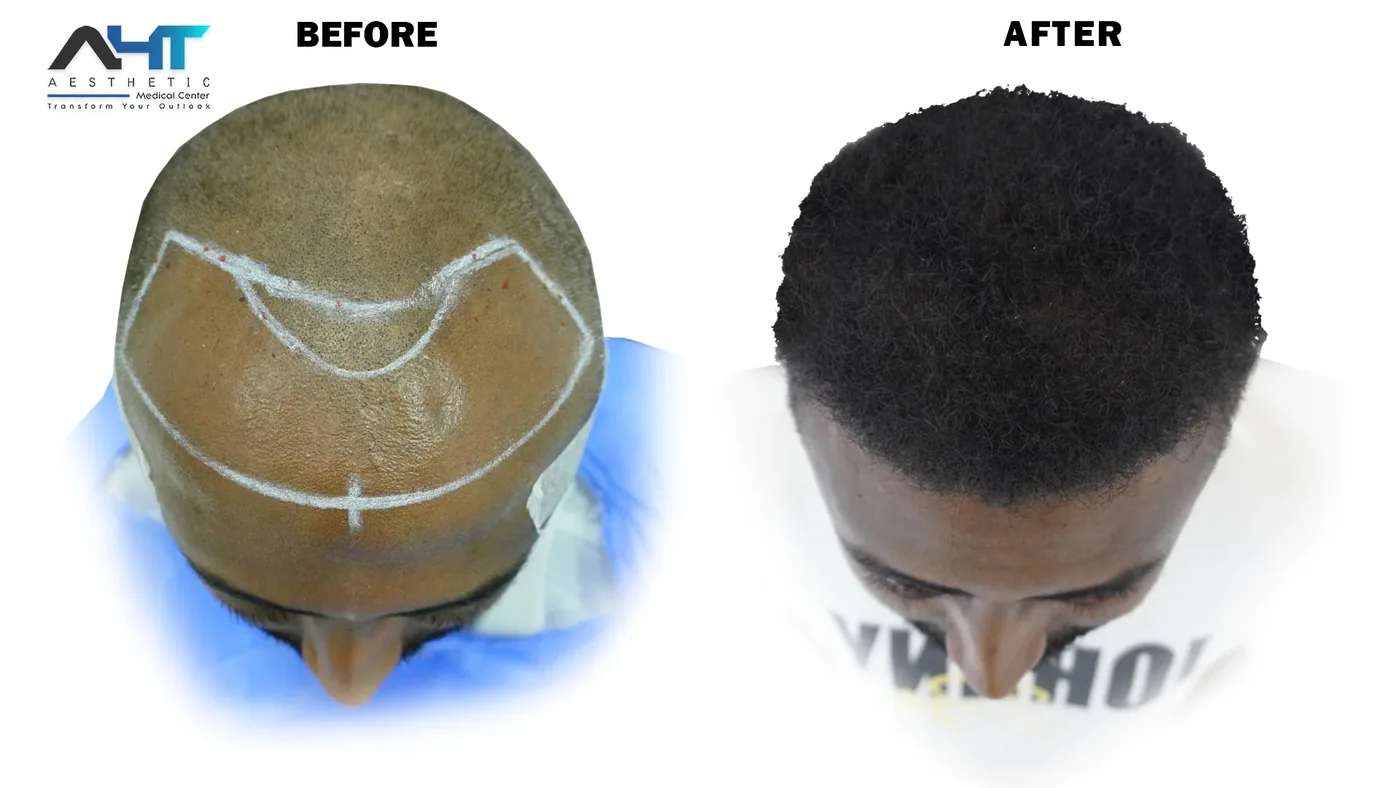
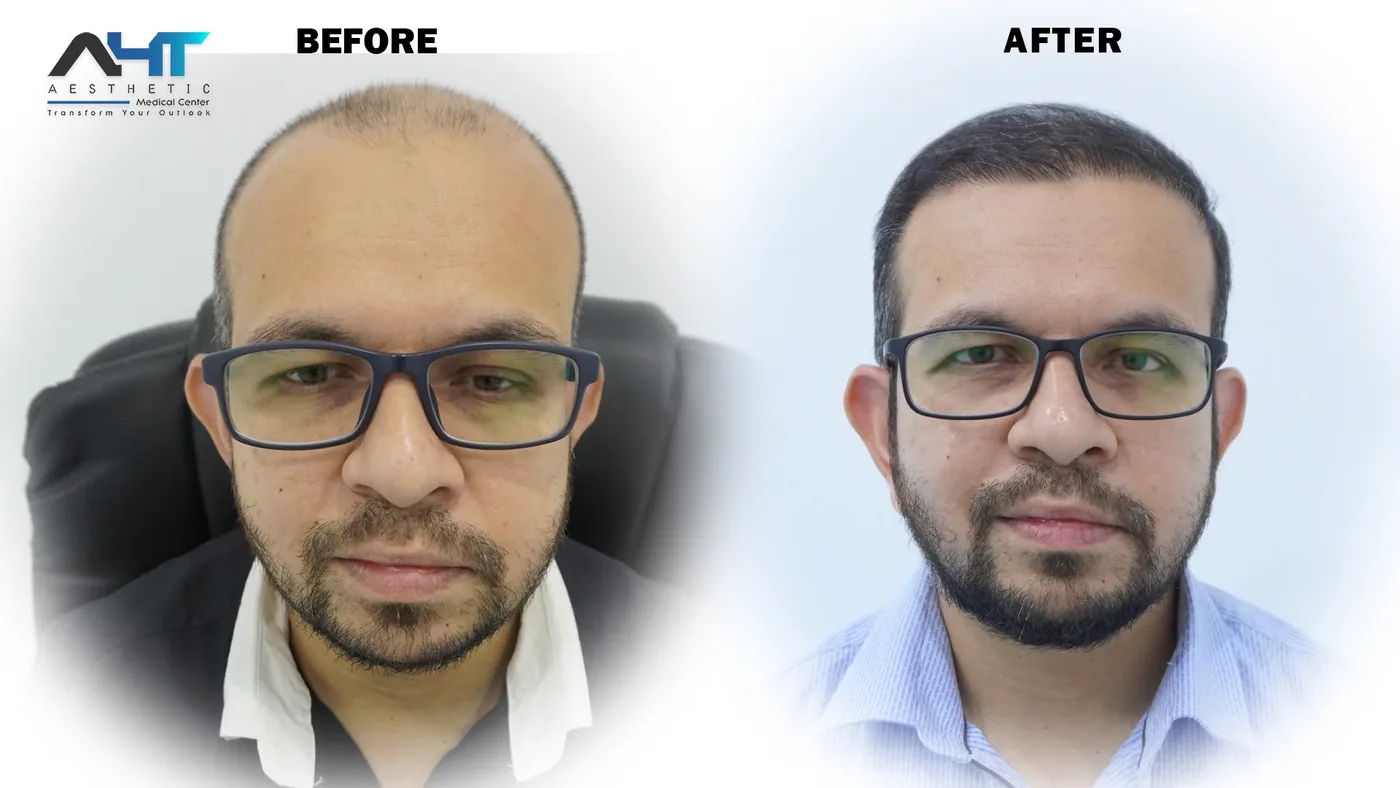
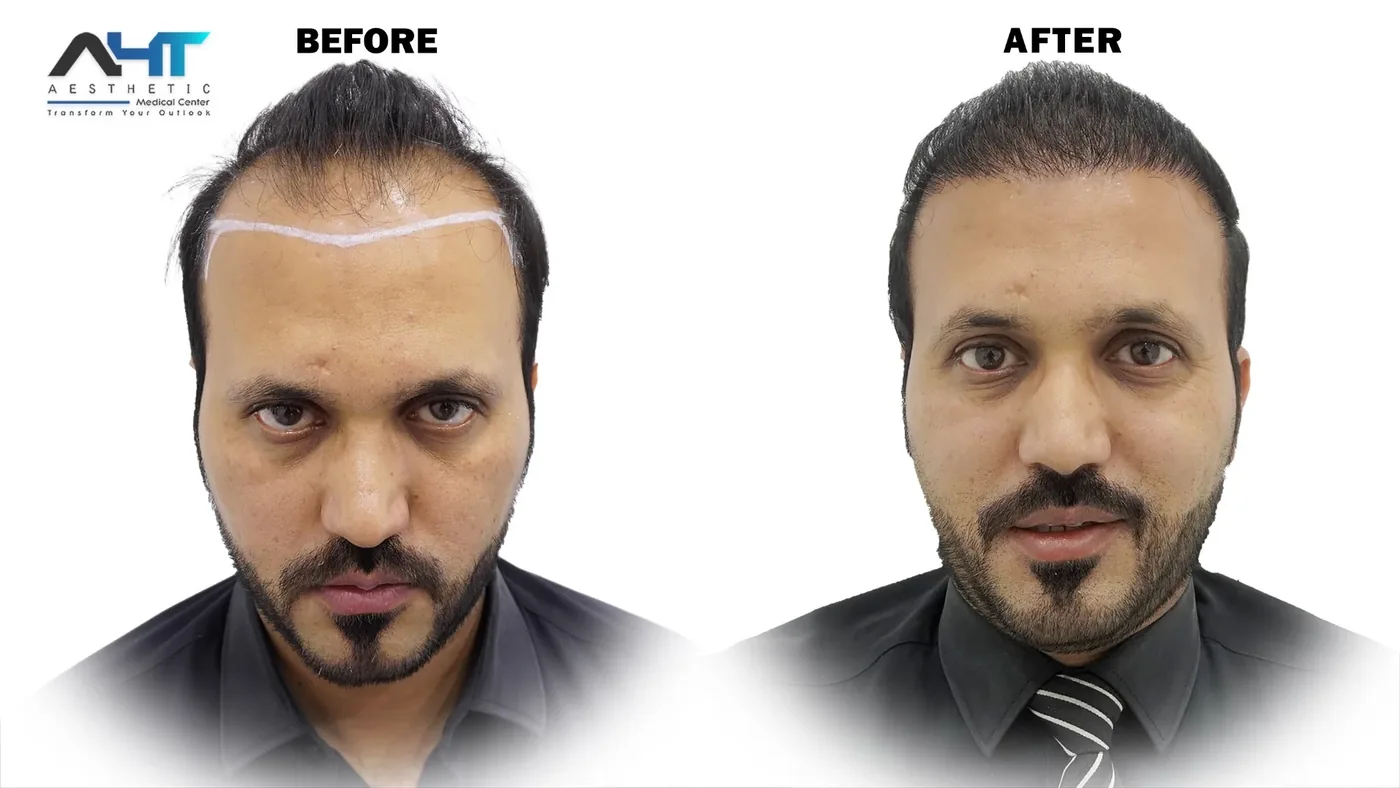
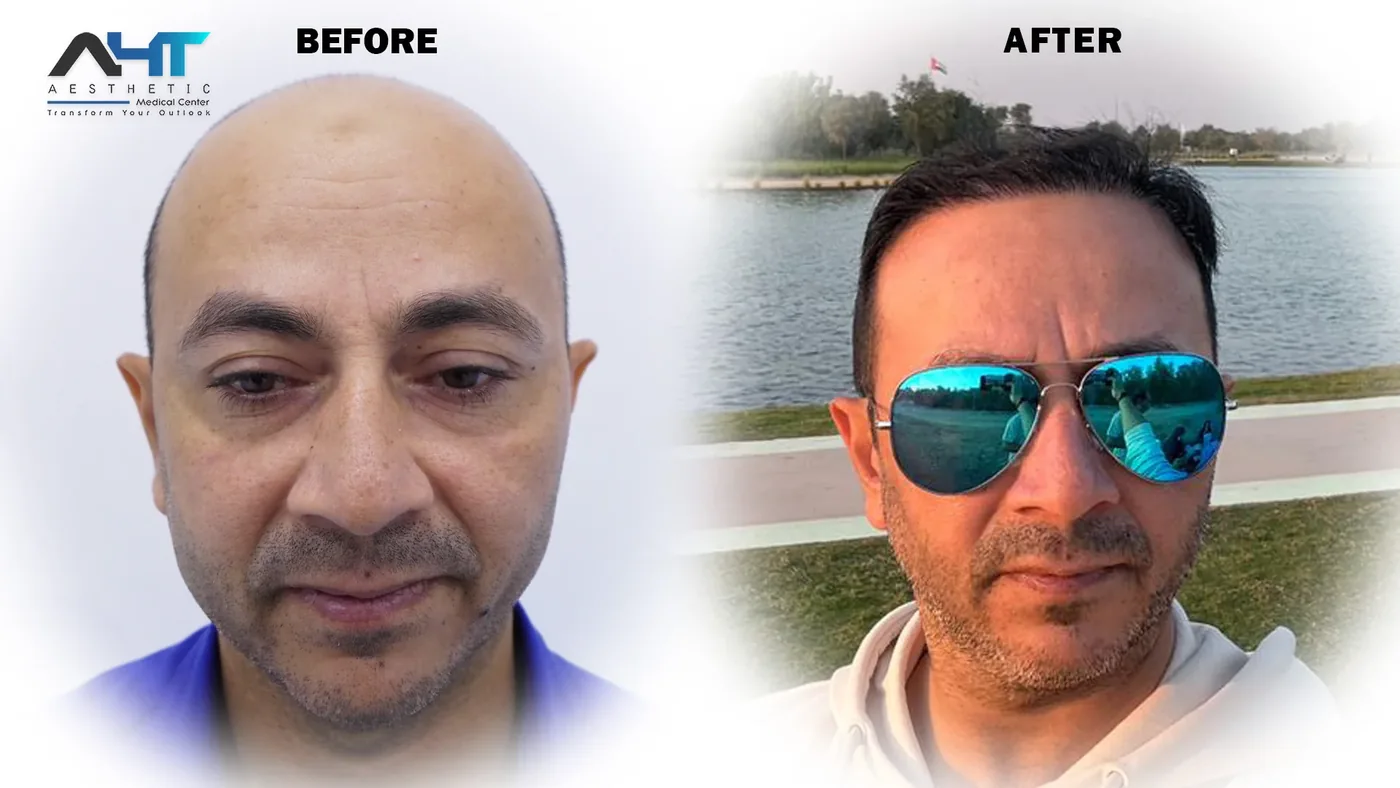
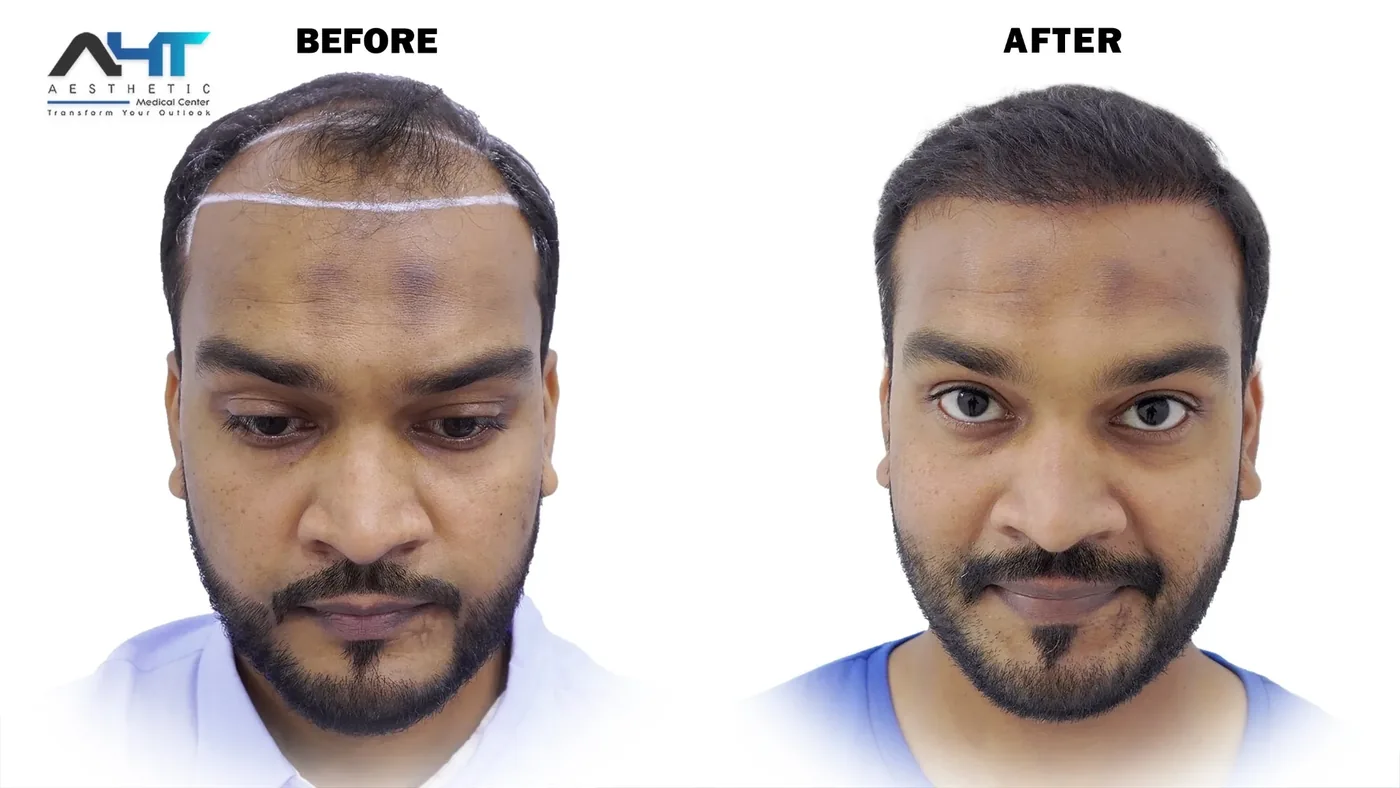
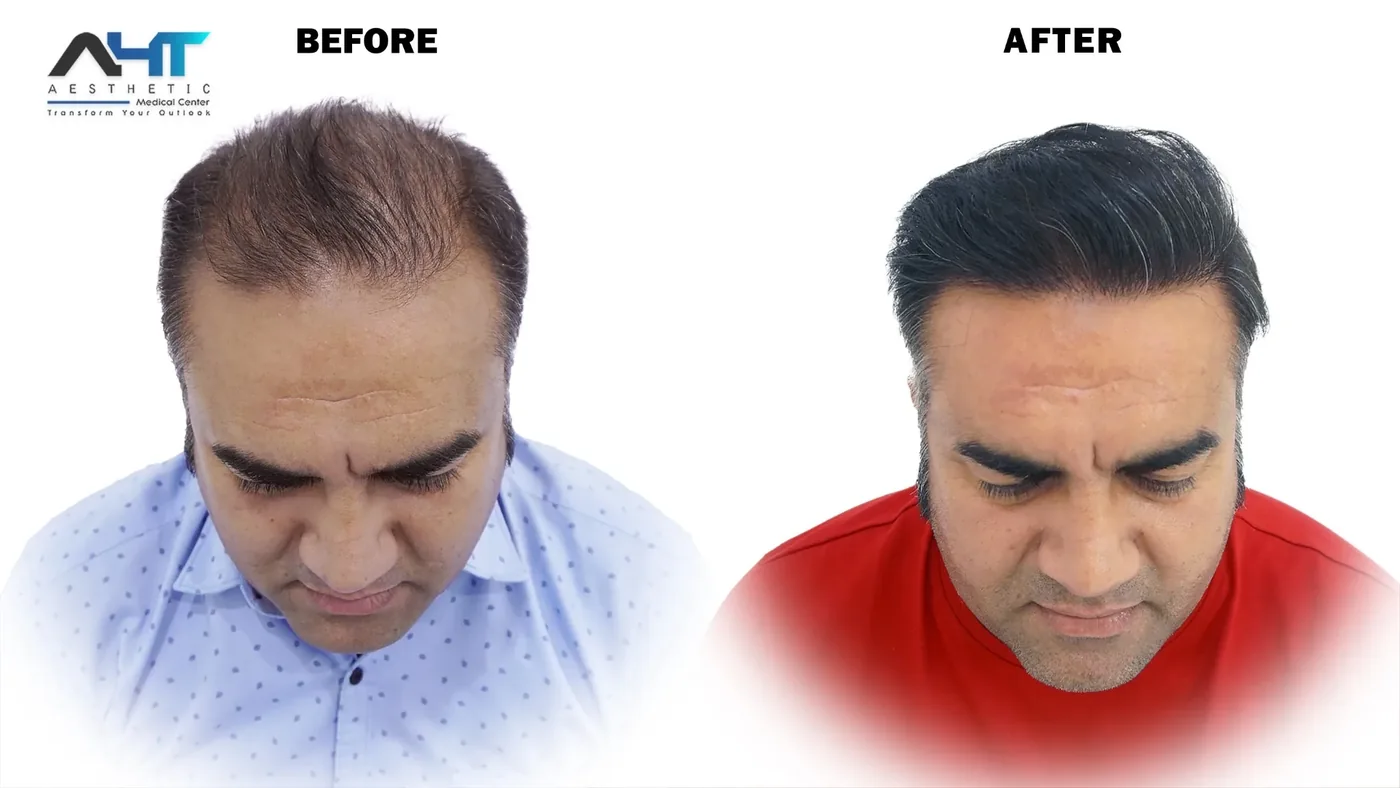
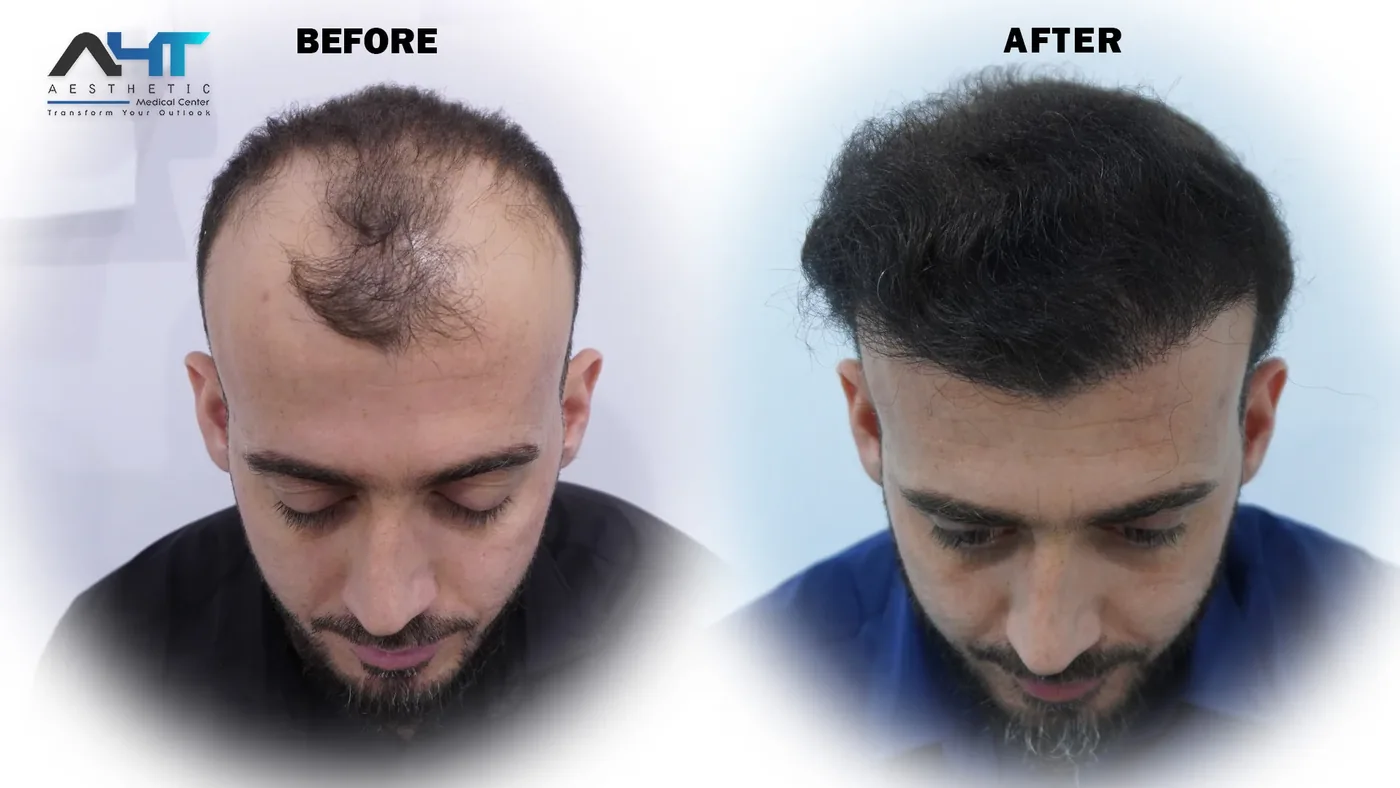
Look closely at how the clinic presents results. Strong clinics show healed outcomes, not just immediate post-procedure images. Fresh photos can look impressive because the design is visible right away, but that does not tell you how the hairs grow in, how the brows soften, or whether the direction remains believable months later.

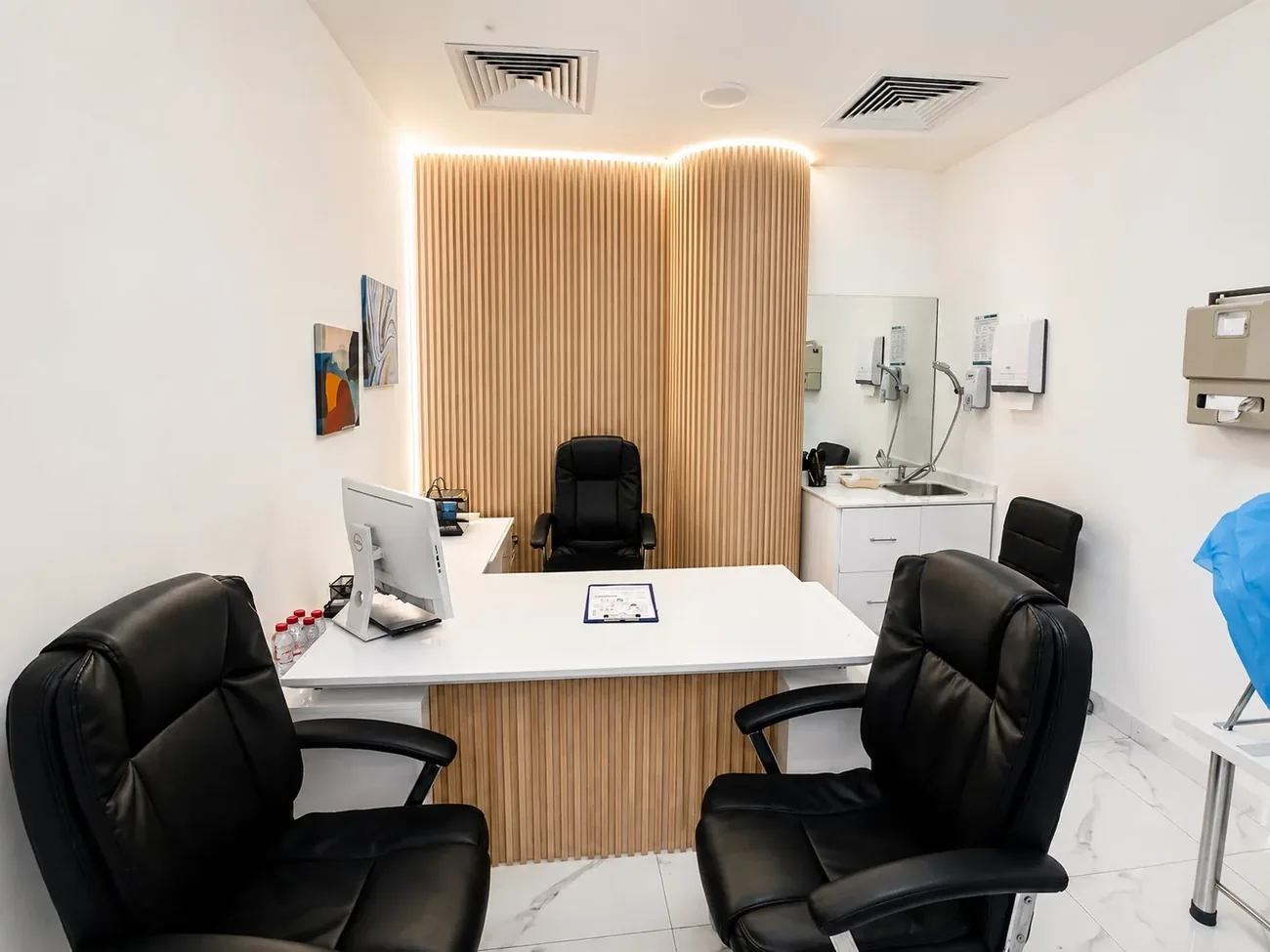
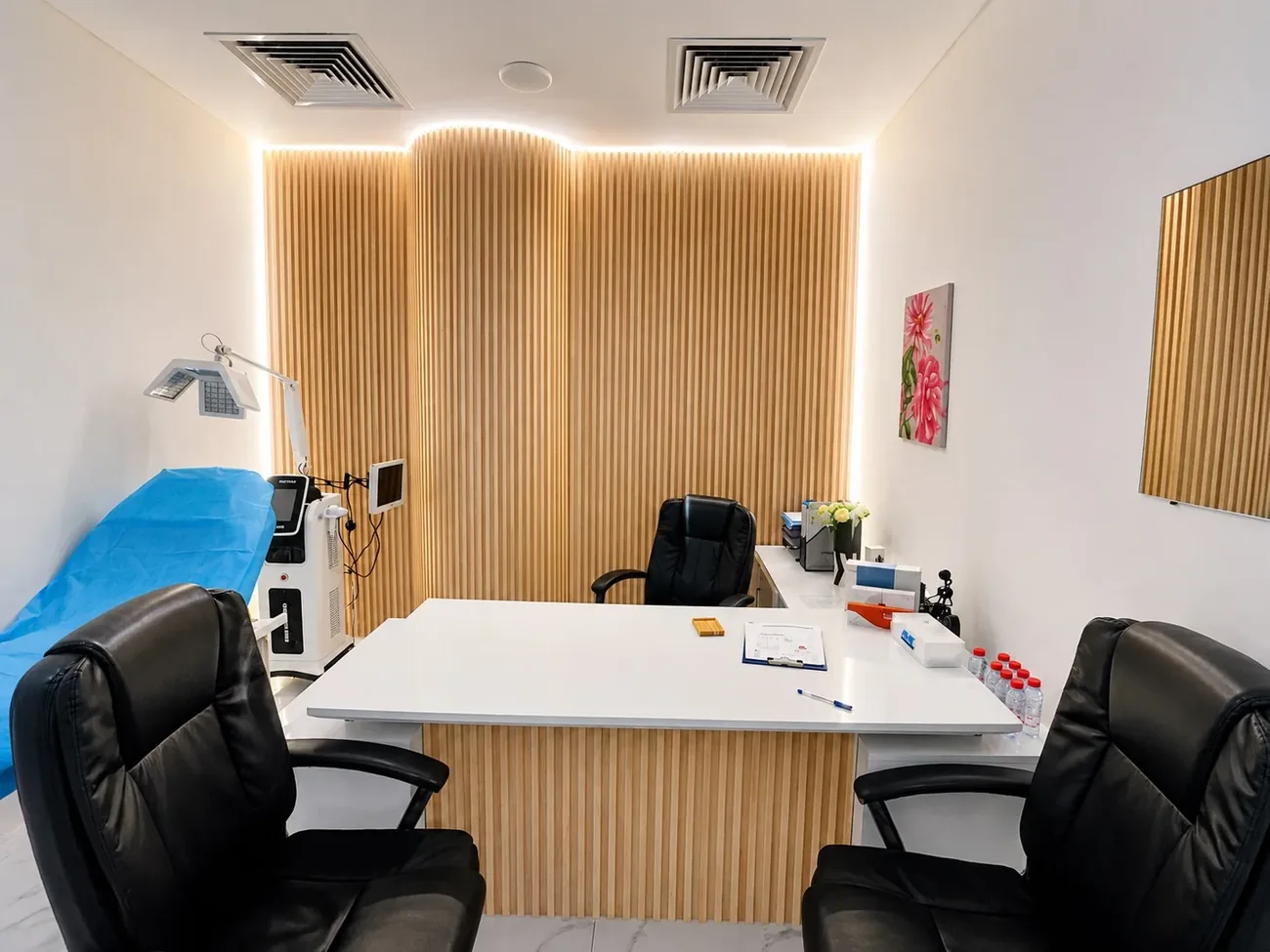
Medical standards matter too. The procedure may be minimally invasive, but it still requires a proper clinical setting, sterile handling, careful anesthesia, and thoughtful aftercare. A clinic that treats eyebrow transplantation as a quick beauty add-on rather than a specialized medical service may not give the procedure the precision it deserves.

Questions worth asking before you book

The best consultations are clear and specific. Ask who designs the brow shape, who extracts the grafts, and who places them. In some clinics, responsibilities are shared across the team. That is not automatically a problem, but patients should understand exactly how the procedure is carried out.

Ask how many eyebrow transplant cases the clinic performs, not just how many hair transplants in general. These are not identical services. A clinic with broad hair restoration experience and dedicated eyebrow case experience is usually in a stronger position than one that offers brows only occasionally.

You should also ask about aftercare. Healing instructions, scab management, washing guidance, and follow-up support all affect the final result. Good aftercare is not just a nice extra. It is part of the treatment.

Another useful question is whether the clinic customizes the plan based on your current brows. Some patients need full reconstruction. Others only need to fill sparse tails, improve symmetry, or soften gaps from scarring. A tailored approach usually leads to a more natural outcome than a one-size-fits-all design.

Price matters, but value matters more

It is natural to compare pricing, especially for a cosmetic procedure. But with eyebrow transplantation, very low pricing can be a warning sign. The procedure is detail-heavy, time-intensive, and dependent on precision. If the price seems far below market expectations, ask what is being compromised.

That does not mean the most expensive clinic is automatically the best clinic for eyebrow transplant. Premium pricing only makes sense if it reflects experience, careful planning, quality medical care, and consistent results. What matters most is overall value – not just the fee on paper, but what you receive in expertise, safety, design, and support.

For many patients, the real cost of choosing poorly is not financial. It is living with an unnatural brow shape or direction in one of the most visible areas of the face. Correction can be difficult, and in some cases patients end up spending more to fix work that should have been done carefully the first time.

The role of consultation in getting natural results

A thoughtful consultation tells you a lot about a clinic. You should leave with a clear understanding of what your brows may look like, where the donor hair will come from, what healing involves, and when to expect visible growth.

A strong clinic will set realistic expectations. Transplanted hairs do not usually look complete overnight. There is a growth cycle, and patience is part of the process. Some shedding is expected before regrowth begins. Final results take time.

This honesty is a good sign. Clinics that overpromise fast perfection often create disappointment. Clinics that explain the timeline clearly tend to approach treatment with more professionalism and care.

Why specialization creates better outcomes

Eyebrow transplantation is not a volume service. It is a finesse service. The best providers treat it that way.

Specialized clinics tend to be better at balancing technical accuracy with cosmetic judgment. They understand that brows should suit the patient, not follow a trend. A bold shape that looks great on one face can look harsh on another. A soft arch may be ideal for one patient and completely wrong for someone else.

This personalized approach is especially valuable for patients who have had years of brow loss and feel self-conscious about how much expression they have lost. The procedure is not only about adding hair. It is about recreating a feature that frames the eyes and affects the whole face.

That is why many patients prefer a clinic with a wider hair restoration focus rather than a general cosmetic provider. In a specialist setting such as A H T Aesthetic Medical Center, the discussion often feels more precise because the team understands hair behavior, donor management, natural density, and long-term growth patterns in a deeper way.

How to make the final decision

If you are comparing clinics, do not choose based on one factor alone. Strong results come from the combination of medical skill, aesthetic judgment, patient communication, and aftercare. The best clinic for eyebrow transplant should make you feel confident not because the sales pitch is polished, but because the plan feels thoughtful and medically sound.

Pay attention to whether the clinic listens. Good providers ask about your concerns, your brow history, your styling habits, and your expectations. They explain what they recommend and why. They do not push the procedure if you are not a good candidate, and they do not treat your brows as a minor detail.

A well-done eyebrow transplant should look like you were always meant to have those brows. That level of naturalness is rarely an accident. It is the result of careful planning, skilled execution, and a clinic that respects how visible and personal this treatment really is.

When the clinic gets those details right, the result is not just fuller brows. It is the quiet confidence of looking in the mirror and seeing balance restored.