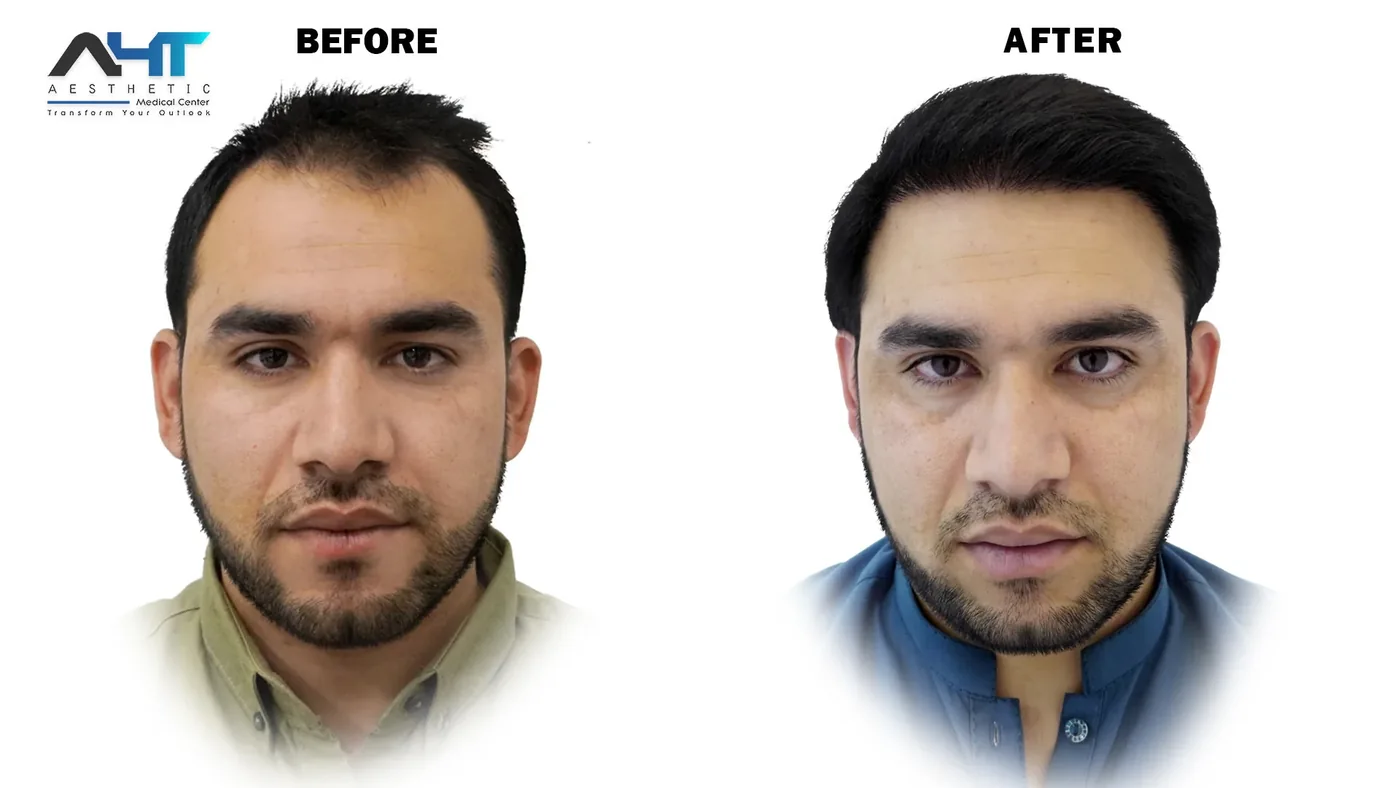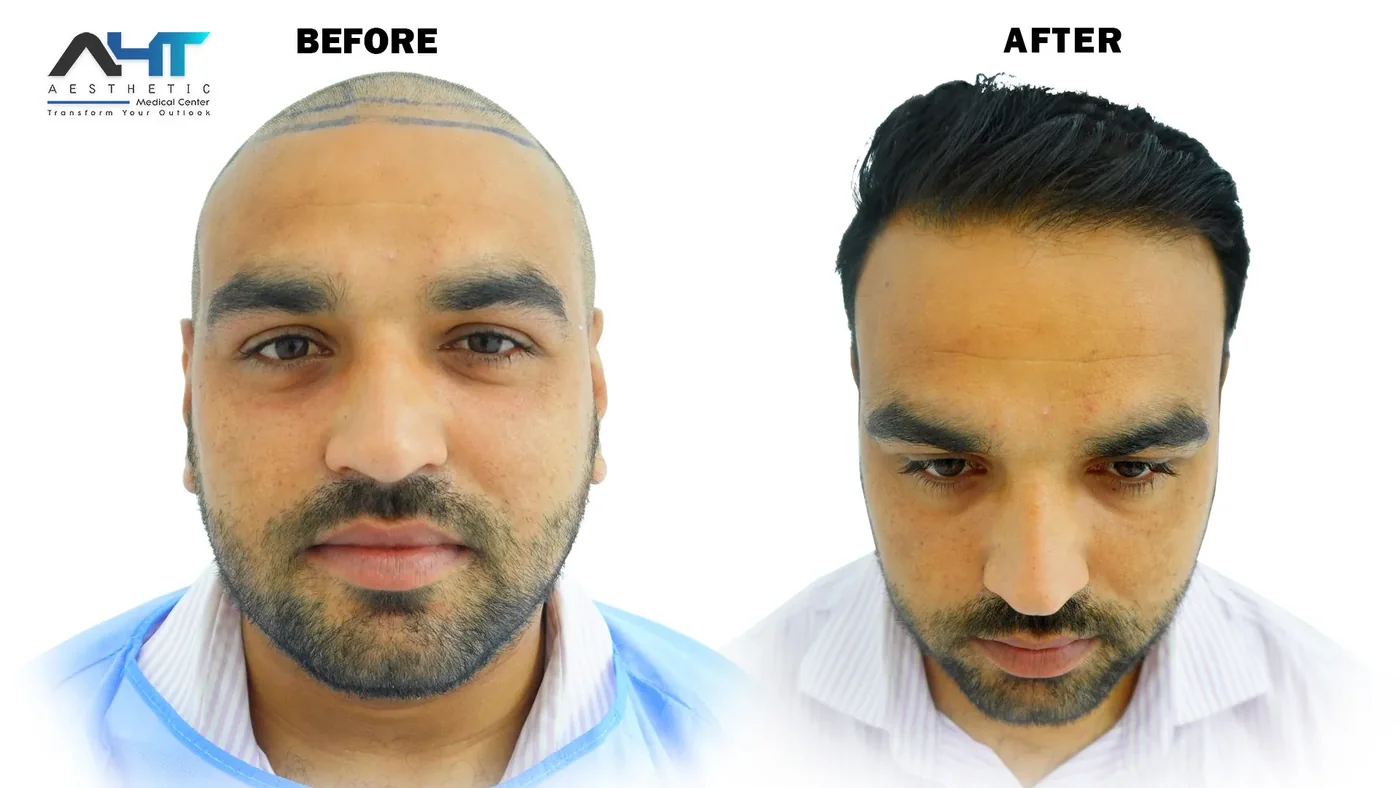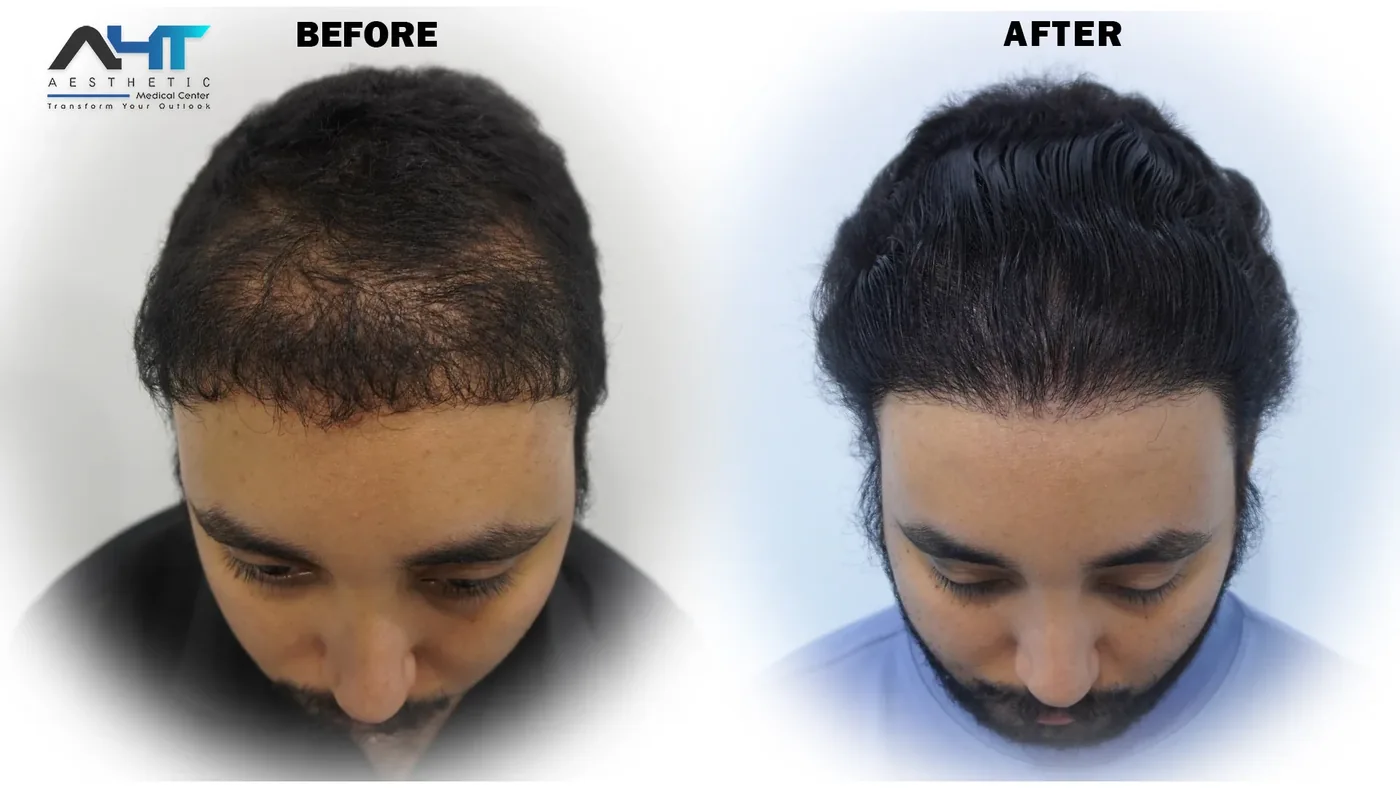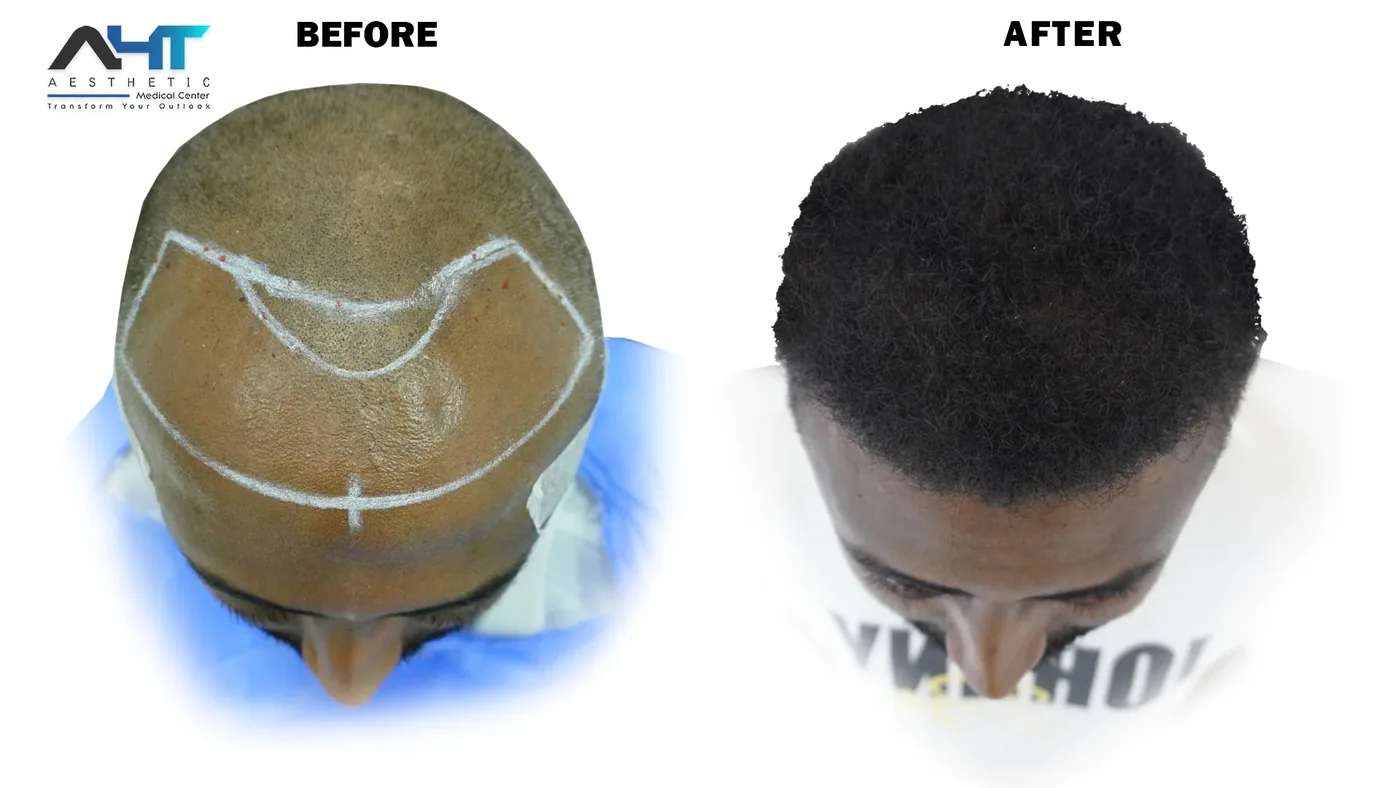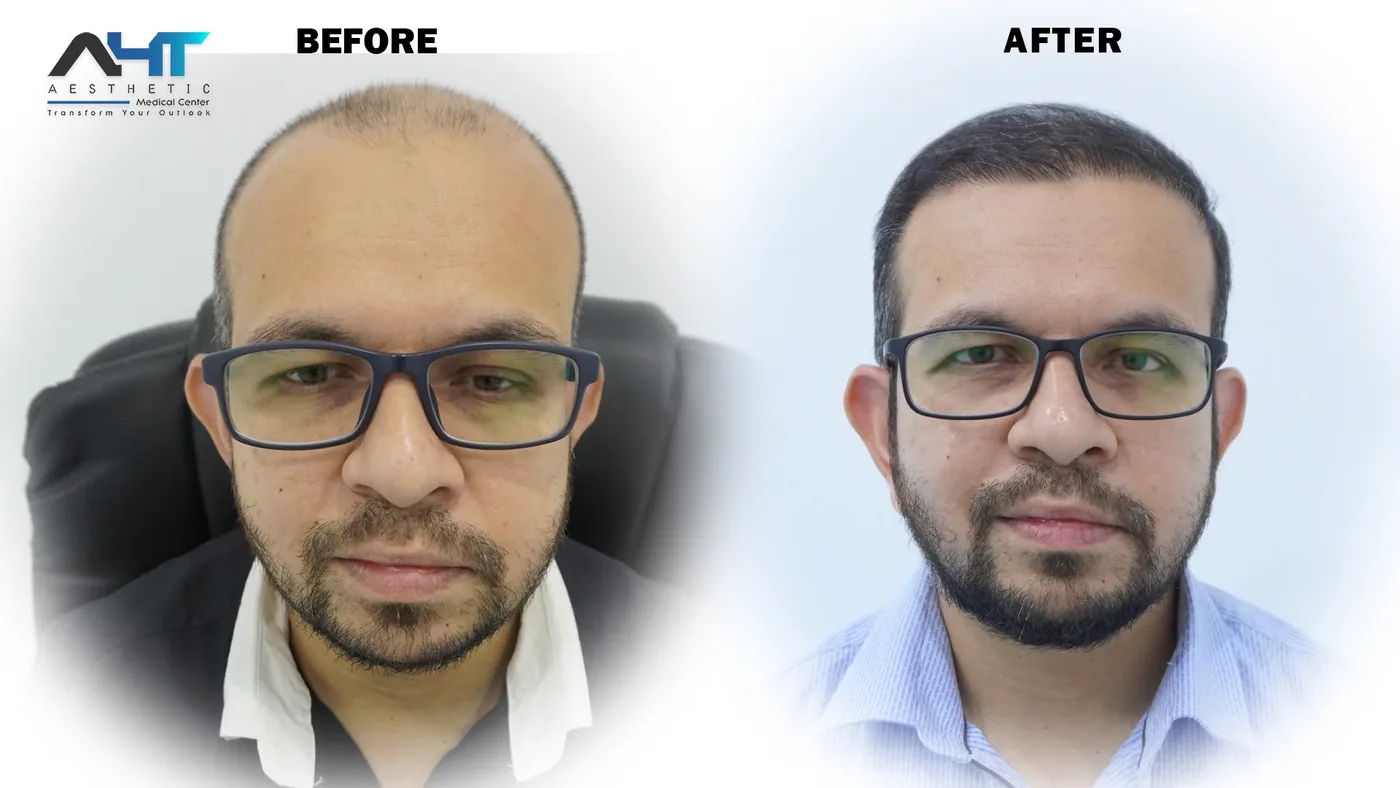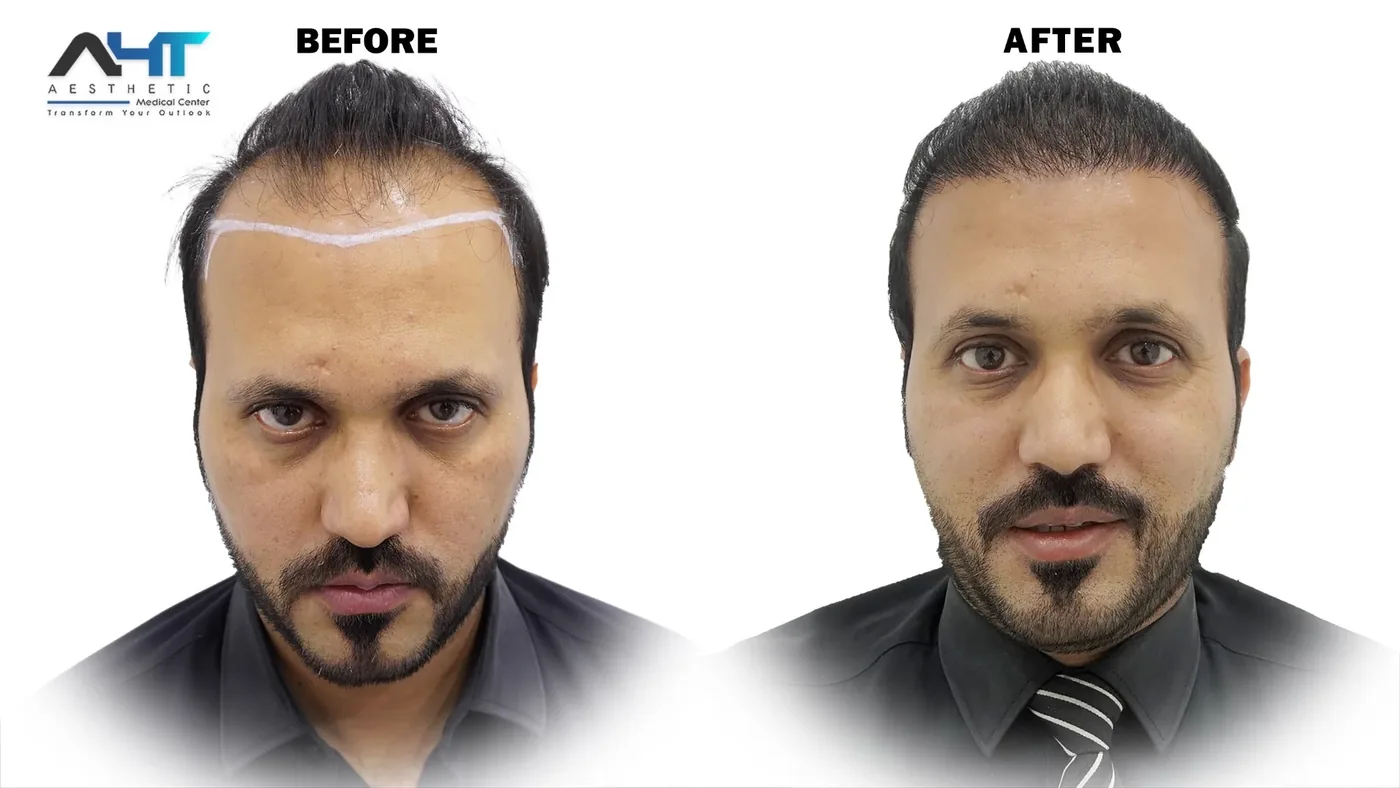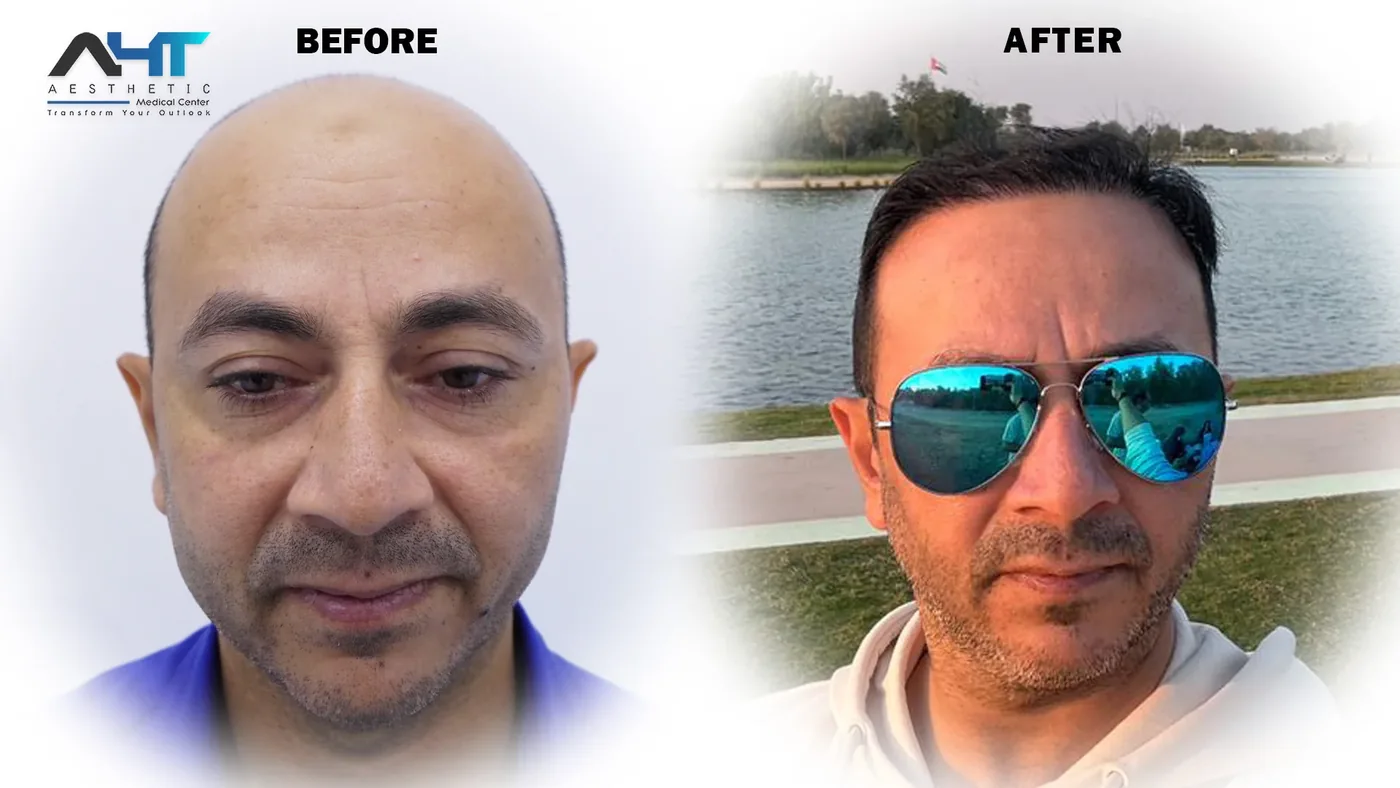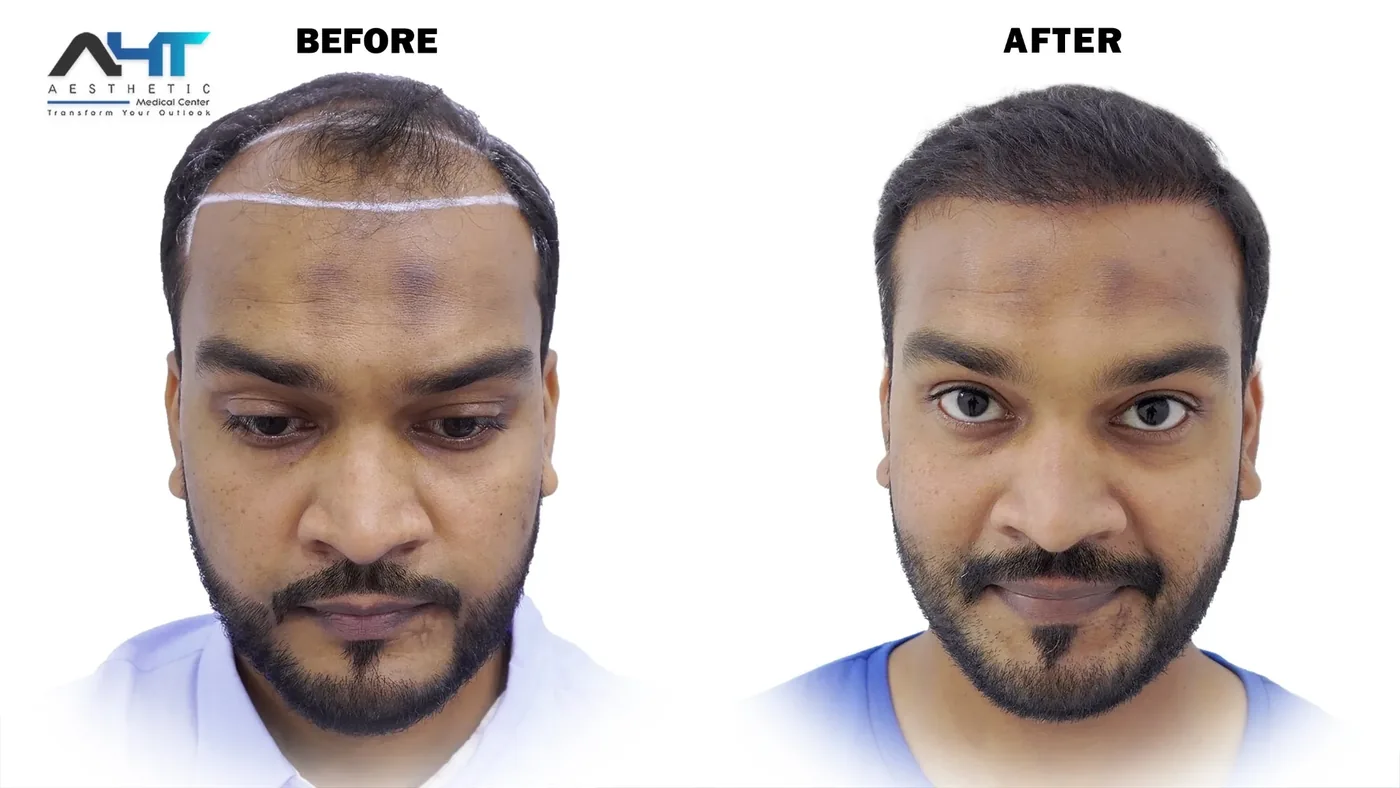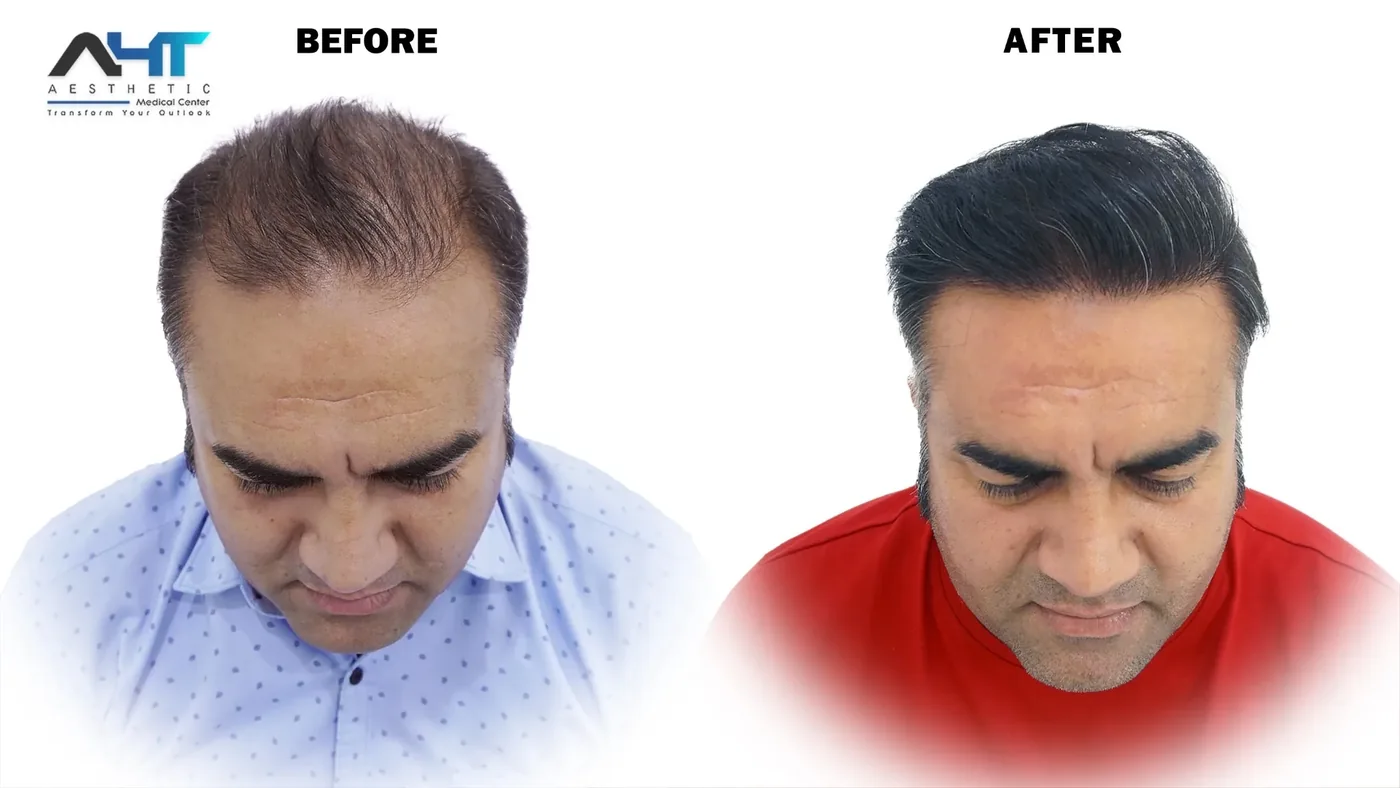
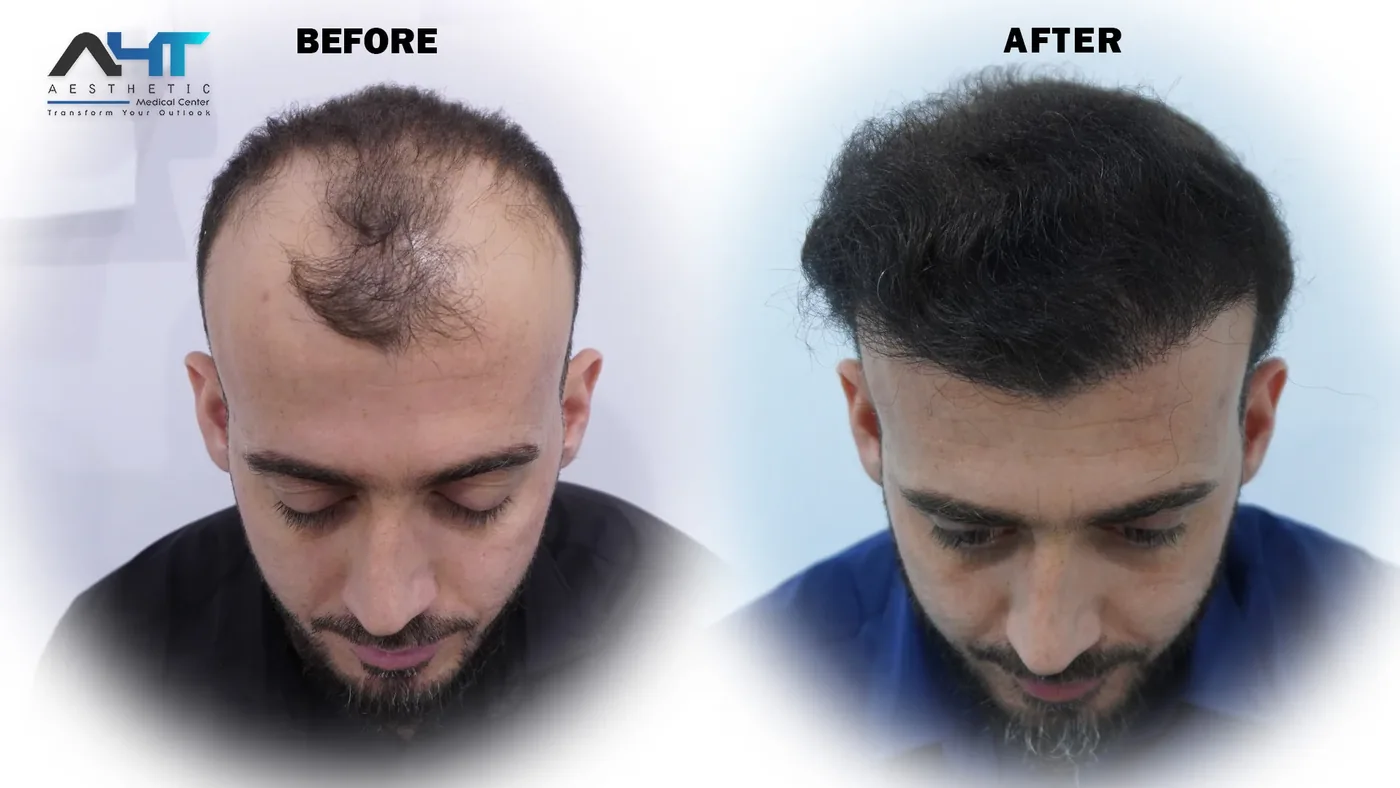
If your part is getting wider, your ponytail feels thinner, or your hairline looks less defined in photos, the question becomes very personal very quickly: can PRP regrow thinning hair? The short answer is yes, in the right patient, to a point. PRP can improve hair thickness, support weak follicles, and slow ongoing shedding. What it usually cannot do is bring back hair in areas where follicles are no longer active.
That distinction matters because PRP is often marketed as if it works for everyone. It does not. The best results come from careful patient selection, realistic expectations, and a treatment plan built around the actual cause of thinning.
Can PRP regrow thinning hair or just slow hair loss?
PRP stands for platelet-rich plasma. The treatment uses a small sample of your own blood, processes it to concentrate the platelets, and then injects that plasma into areas of thinning. Platelets contain growth factors that may help stimulate weakened follicles, improve blood supply around the follicle, and extend the growth phase of the hair cycle.
In practical terms, PRP is more likely to strengthen miniaturized hairs than create brand-new follicles. If a follicle is still alive but producing finer, weaker strands, PRP may help it produce thicker, healthier hair. If the follicle has been inactive for too long and the scalp is shiny or fully bare, PRP is much less likely to make a meaningful difference.
This is why some patients say PRP regrew their hair, while others feel it only maintained what they had. Both experiences can be true. PRP works best as a regenerative treatment for thinning, not as a miracle fix for advanced baldness.
Who tends to respond best to PRP for hair thinning?
The strongest candidates are men and women with early to moderate thinning, especially when hair follicles are still present. This includes common pattern hair loss, diffuse thinning, and some cases of stress-related shedding once the trigger has been addressed. Patients who notice increased scalp visibility but still have hair coverage often have more to gain than those with long-standing bald patches.
Women with widening part lines can be particularly good candidates because thinning often occurs across broader areas rather than in completely bare zones. Men in the earlier stages of receding or crown thinning may also respond well, especially when PRP is started before the loss becomes severe.
Timing matters. The earlier thinning is treated, the more follicles there are to support. Age matters less than follicle health. A patient in their 40s with recent thinning may respond better than a patient in their 20s with aggressive, long-untreated loss.
When PRP is less likely to work
PRP has limits, and this is where honest medical guidance matters most. If hair loss is caused by scarring conditions, untreated hormonal disorders, severe nutrient deficiency, or active inflammation of the scalp, PRP alone may not be enough. The underlying issue has to be diagnosed and managed first.
PRP is also less effective in smooth, bald areas where follicles are no longer functioning. In these cases, a hair transplant may be the better option because transplantation places healthy follicles into areas that no longer grow hair on their own. PRP can still play a role around a transplant plan by supporting scalp health and recovery, but it should not be presented as a substitute when surgical restoration is clearly the more appropriate path.
What kind of results should you realistically expect?
Most patients should think in terms of improvement, not transformation. A successful PRP course may reduce shedding, make existing hair feel denser, improve strand quality, and create better overall coverage. It can be especially helpful when the goal is to make thinning less noticeable rather than to recreate a teenage hairline.
Results also take time. Hair grows slowly, and follicles need time to respond. Some patients notice reduced shedding within weeks, but visible thickening usually takes a few months. The typical plan involves an initial series of treatments followed by maintenance sessions, because hair loss is ongoing and PRP is not permanent after one visit.
The strongest outcomes often come when PRP is part of a broader strategy. That may include medical therapy, scalp evaluation, nutritional support where needed, or a transplant consultation if density has already dropped too far.
How PRP compares with other hair loss options
PRP sits in a useful middle ground. It is less invasive than surgery and more procedure-based than at-home products. For patients who want a medically supervised treatment with little downtime, that can be very appealing.
Compared with topical or oral medications, PRP does not rely on daily compliance in the same way, but it usually requires repeat clinic visits and ongoing maintenance. Compared with a hair transplant, PRP is simpler and non-surgical, but it cannot move dense, permanent grafts into bare areas. One treatment supports struggling follicles. The other replaces lost density where follicles are gone.
That is why the right choice depends on the stage and pattern of loss. If you still have thinning hair, PRP may help preserve and strengthen it. If you have clear empty areas, surgery may provide the more noticeable cosmetic change.
What happens during treatment?
The process is straightforward. A blood sample is taken, the plasma is prepared, and the concentrated platelets are injected into the scalp in targeted areas. Most patients tolerate the procedure well. There can be mild discomfort, temporary soreness, or slight swelling, but downtime is minimal.
A good clinic will not treat PRP as a one-size-fits-all appointment. The scalp should be assessed first, your pattern of loss should be reviewed, and the plan should match your stage of thinning. That level of assessment is one reason patients often do better in specialist settings focused on hair restoration, where PRP is used as part of a full treatment strategy rather than as a stand-alone add-on.
Can PRP regrow thinning hair after stress, postpartum shedding, or seasonal loss?
Sometimes, but the answer depends on what is actually happening in the hair cycle. Stress-related shedding and postpartum shedding are often forms of telogen effluvium, where more hairs than usual shift into the shedding phase. In many of these cases, hair can recover naturally once the trigger settles.
PRP may still be useful if recovery is slow, if thinning has become more noticeable, or if there is an underlying pattern hair loss that the shedding exposed. This is a common scenario, especially in women. The shedding event gets attention, but the real issue may be pre-existing miniaturization that had gone unnoticed.
A medical evaluation helps separate temporary shedding from progressive hair loss. Treating the wrong problem wastes time, money, and momentum.
The role of diagnosis in getting better results
The biggest mistake patients make is choosing treatment before choosing diagnosis. Hair loss looks similar in the mirror, but the causes are not all the same. Pattern hair loss, traction, nutritional deficiency, thyroid imbalance, inflammatory scalp conditions, and scarring disorders can all present as thinning.
That is why expert assessment matters. In a specialized clinic such as A H T Aesthetic Medical Center, the value is not just the procedure itself. It is the ability to determine whether PRP is the right fit, whether another treatment should be added, or whether a hair transplant will give you a more meaningful result.
The best care is personalized care. Some patients need PRP early to stabilize thinning. Others need to skip straight to transplant planning. Others need medical workup before any cosmetic treatment begins.
Is PRP worth it?
For the right patient, yes. PRP can be a very worthwhile option when the goal is to strengthen existing hair, improve density, and address thinning before it becomes advanced. It is especially attractive for patients who want a minimally invasive treatment and prefer a natural approach using their own biology.
But worth depends on matching the treatment to the problem. If expectations are unrealistic, or if the scalp has already lost too many viable follicles, even a well-done PRP treatment may feel disappointing.
If you are asking whether PRP can regrow thinning hair, the better question may be this: are your follicles still in a condition that can respond? That answer is what should guide your next step, and getting it right early can make all the difference.