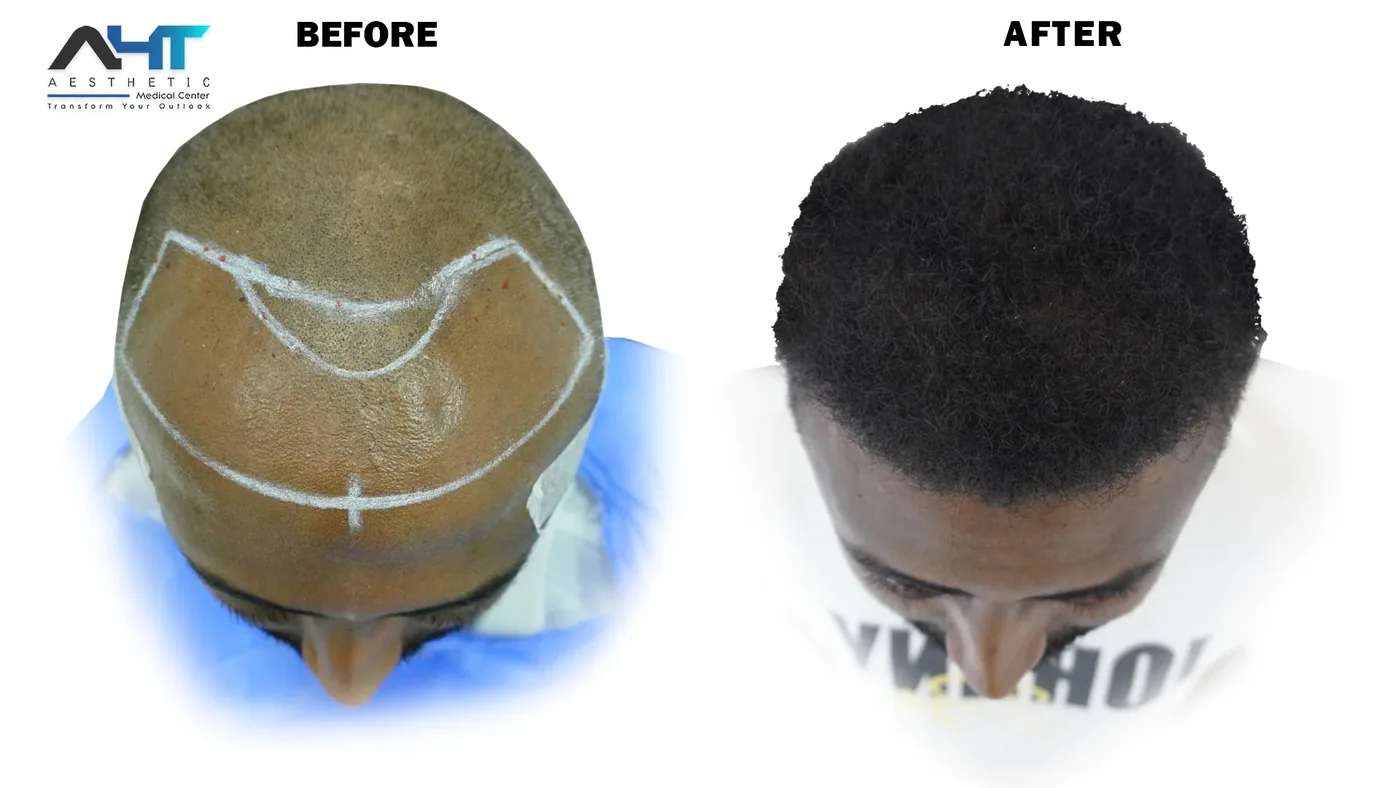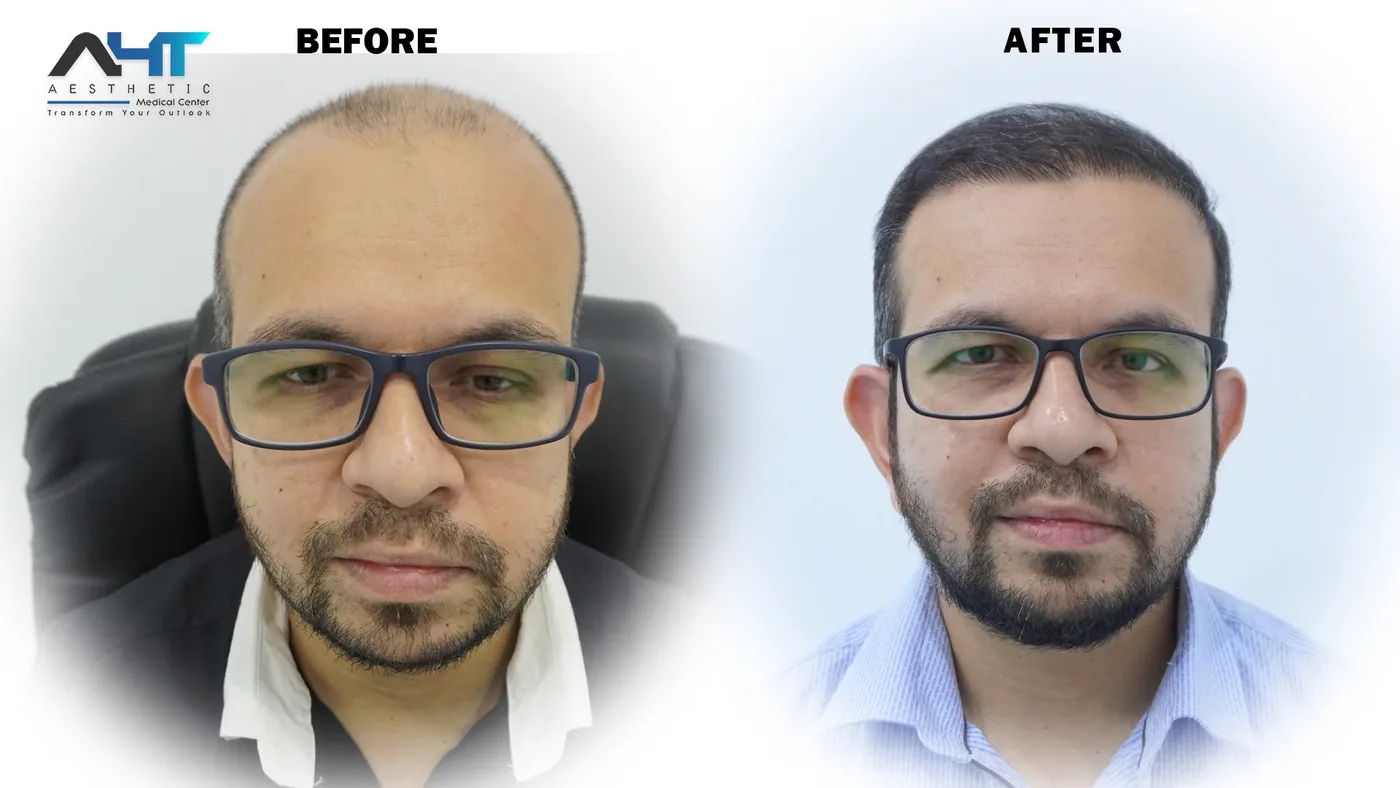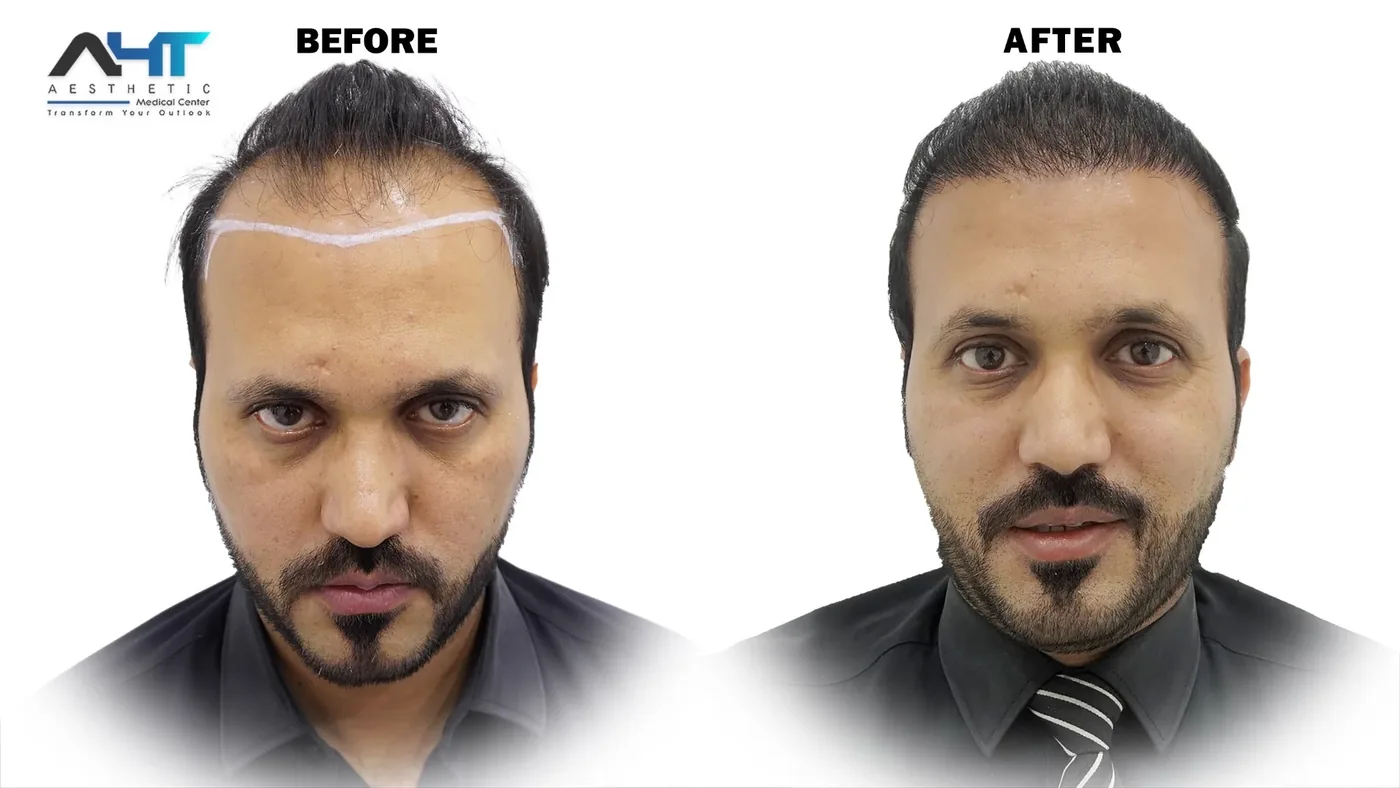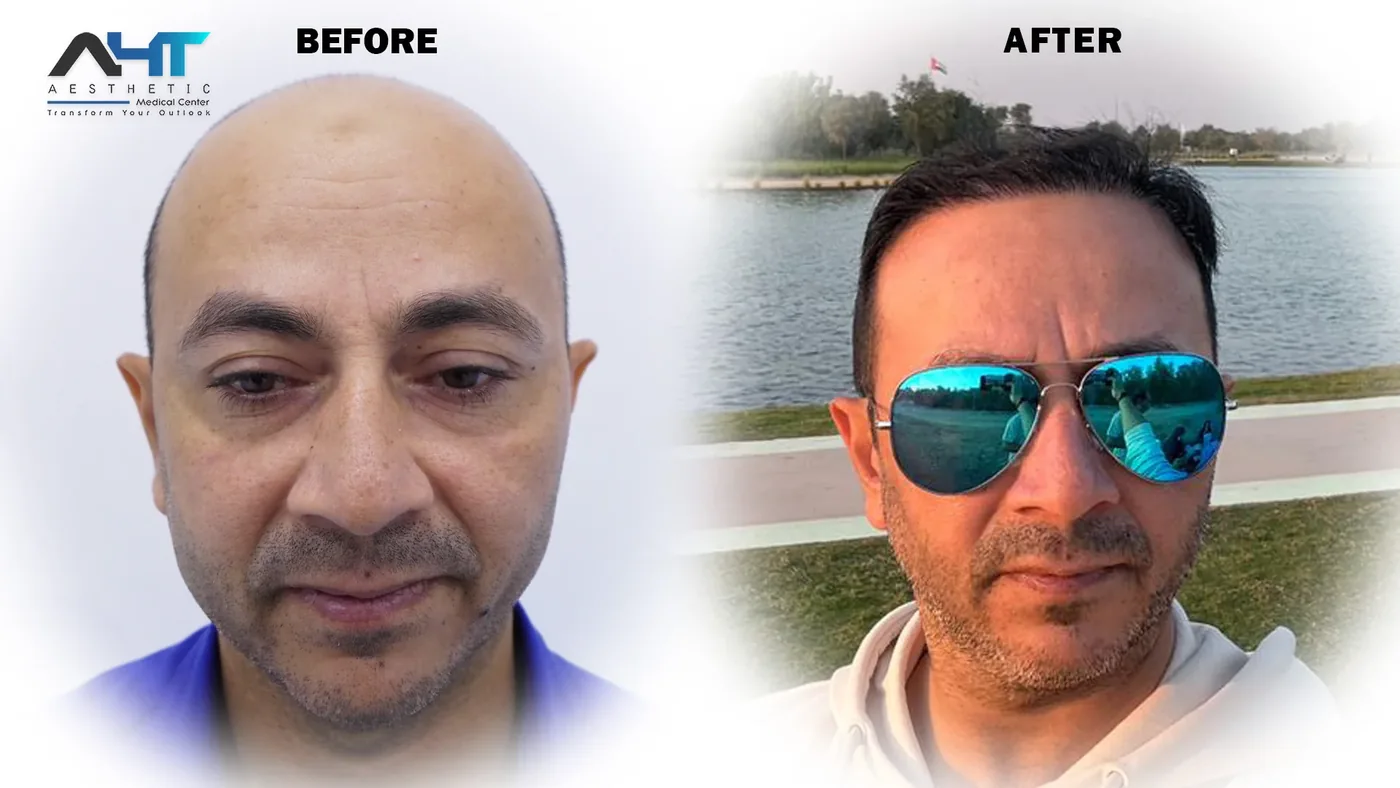
Hair loss rarely starts as a medical emergency, but it can become a daily frustration fast. If you are researching the Best Hair Transplant in Dubai: Cost, Procedure & Results (2026 Guide), you are likely looking for more than marketing claims – you want realistic pricing, a clear treatment process, and results that look natural.
A good hair transplant is not simply about moving grafts from one area to another. It is about designing a hairline that suits your face, protecting existing hair, choosing the right extraction and implantation method, and managing recovery properly. That is why clinic selection matters just as much as the procedure itself.
What makes a hair transplant clinic the best?
The best clinic is not always the cheapest, and it is not necessarily the one advertising the highest graft count. In practice, the right choice comes down to medical assessment, surgeon experience, technique selection, and consistency of results.
A strong provider will begin with diagnosis, not sales. Hair loss can result from androgenetic alopecia, hormonal changes, traction, scarring, stress-related shedding, or prior cosmetic damage. If the underlying pattern is not identified correctly, even a technically good transplant may disappoint over time.
The other sign of a quality clinic is restraint. Not every patient needs an aggressive low hairline or maximum-density packing in one session. Natural-looking results usually come from careful planning, age-appropriate design, and a treatment strategy that considers future hair loss.
Best hair transplant in Dubai: procedure options in 2026
In 2026, most patients in Dubai will come across two main approaches: FUE and DHI. Both are advanced hair restoration methods, but they are not interchangeable for every case.
FUE, or Follicular Unit Extraction, involves harvesting individual grafts from the donor area, usually at the back of the scalp, and implanting them into thinning or bald regions. It remains one of the most widely used methods because it is minimally invasive, avoids a linear scar, and allows precise graft placement.
DHI, or Direct Hair Implantation, is often presented as a separate technique, though it is closely related to FUE. The main difference is the implantation stage, where a specialized implanter pen may be used to place follicles directly. For some patients, this can support refined angle control and dense placement, especially in visible frontal zones.
Neither method is automatically better. FUE may be ideal for larger areas and broad restoration plans, while DHI may be preferred for targeted zones or hairline refinement. The better question is not which method sounds more advanced, but which technique suits your scalp condition, donor strength, hair type, and goals. If you want a more detailed breakdown, our guide on Hair Transplant Procedures Explained can help clarify the differences.
Who is a good candidate?
Most suitable candidates have stable donor hair, a healthy scalp, and realistic expectations. Men with male pattern baldness are common candidates, but women with localized thinning or widened part lines may also benefit when properly assessed.
Age matters less than pattern stability. A patient in their early 30s with a clear, established recession pattern may be a stronger candidate than someone younger with rapidly progressing loss. The same applies to facial hair and eyebrow restoration. Beard, moustache, and eyebrow transplants can produce very natural results, but only when hair characteristics and density goals are carefully matched.
Some patients are not ideal candidates right away. Active scalp inflammation, uncontrolled medical conditions, poor donor supply, or ongoing shedding may require treatment first. A responsible clinic will say so.
Hair transplant cost in Dubai
Cost is often one of the first questions patients ask, and understandably so. In Dubai, pricing can vary significantly based on the clinic, the surgeon’s expertise, the number of grafts required, the method used, and whether the package includes consultation, aftercare, medications, and follow-up treatments.
In 2026, many hair transplant procedures in Dubai fall within a broad range of approximately AED 7,000 to AED 25,000 or more. Smaller corrective cases or focused treatments such as eyebrow restoration may sit at the lower end, while large-session scalp transplants, premium techniques, or complex revisions tend to cost more.
A lower quote is not always a better deal. Some clinics price aggressively but exclude essentials like PRP support, post-procedure care, or adequate follow-up. Others may quote based on graft count alone without discussing whether that number is medically appropriate. Patients should always ask what is included and whether the plan is customized or standardized.
The most useful way to think about cost is value per result. If a clinic offers careful design, experienced hands, strong aftercare, and natural outcomes, the investment is usually easier to justify than a bargain procedure that needs correction later.
What the procedure is actually like
For many patients, anxiety drops once they understand the day itself. A hair transplant is typically performed under local anesthesia, which means you are awake but the treatment area is numb. The procedure is generally well tolerated, and most people describe it as far easier than they expected.
The day begins with consultation review, scalp marking, hairline planning, and preparation of the donor area. After local anesthesia is administered, grafts are extracted one by one. They are then sorted and prepared for implantation into the recipient area.
Depending on the treatment size, the session may take several hours. Smaller areas can be completed relatively quickly, while larger cases may require most of the day. If timing is one of your main concerns, see How Long Do Hair Transplant Procedures Take? for a closer look.
One important detail patients often overlook is that the artistry happens during placement. Angle, depth, direction, and spacing all influence whether the result looks soft and natural or obviously transplanted. That is why technical skill alone is not enough. Aesthetic judgment matters just as much.
Recovery and aftercare
Recovery is usually straightforward, but good aftercare plays a major role in the final outcome. Mild redness, swelling, tenderness, and small scabs are common in the first several days. These effects typically improve steadily with proper washing and aftercare instructions.
Most patients can return to non-strenuous work within a few days, although public-facing professionals sometimes prefer a little more downtime. Exercise, heat exposure, swimming, and friction on the scalp are usually restricted for a short period. The clinic should provide clear guidance tailored to your procedure.
Shock loss can happen, and it often worries patients unnecessarily. This temporary shedding phase may affect transplanted hairs and sometimes nearby native hairs before new growth begins. It is a normal part of the cycle in many cases, not a sign of failure.
When will you see results?
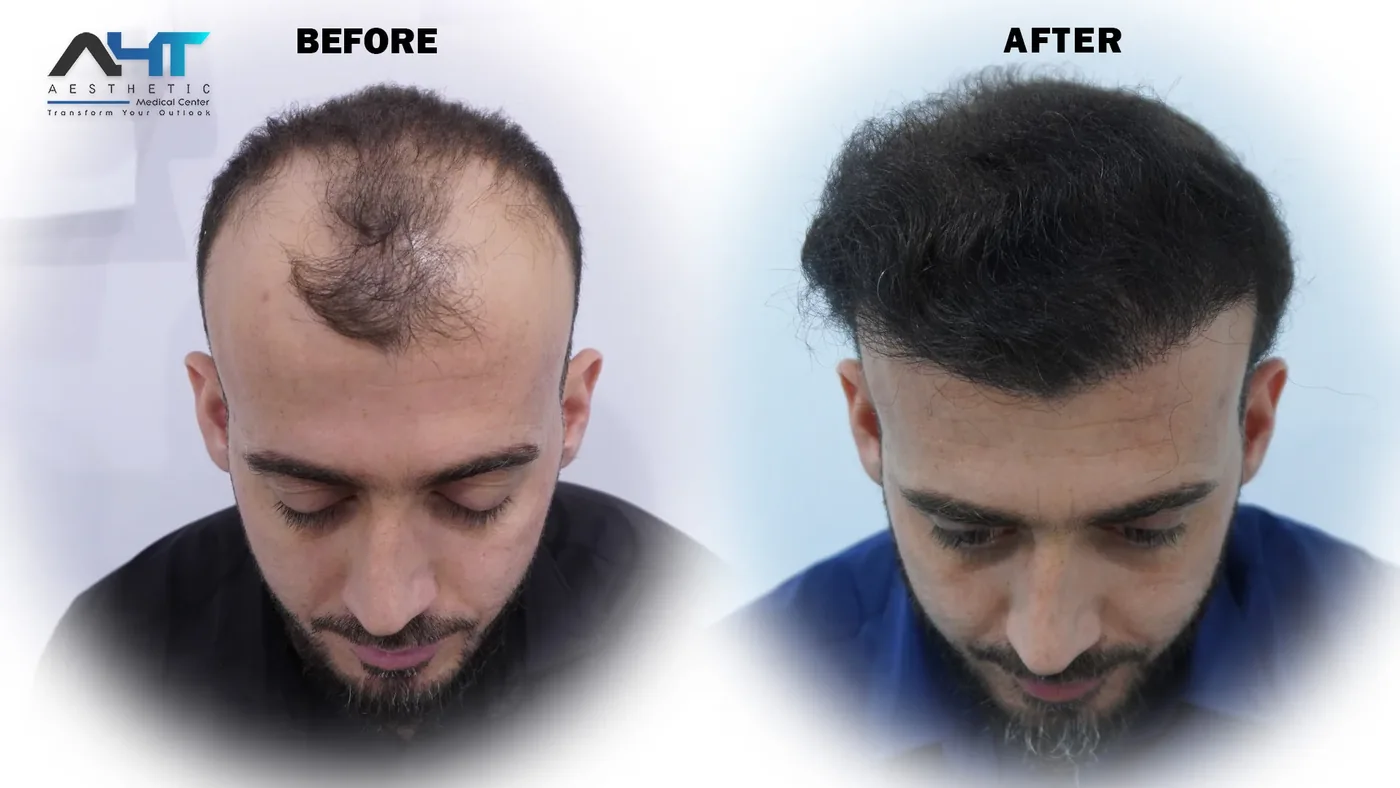
Hair transplant results require patience. In the first few weeks, the newly implanted hairs often shed. Real visible growth commonly starts around the third or fourth month, then continues to improve over several more months.
By six months, many patients notice meaningful change. By nine to twelve months, density and shape are usually much more established. Crown areas can take longer than frontal zones, and final maturation may continue beyond one year depending on the case.
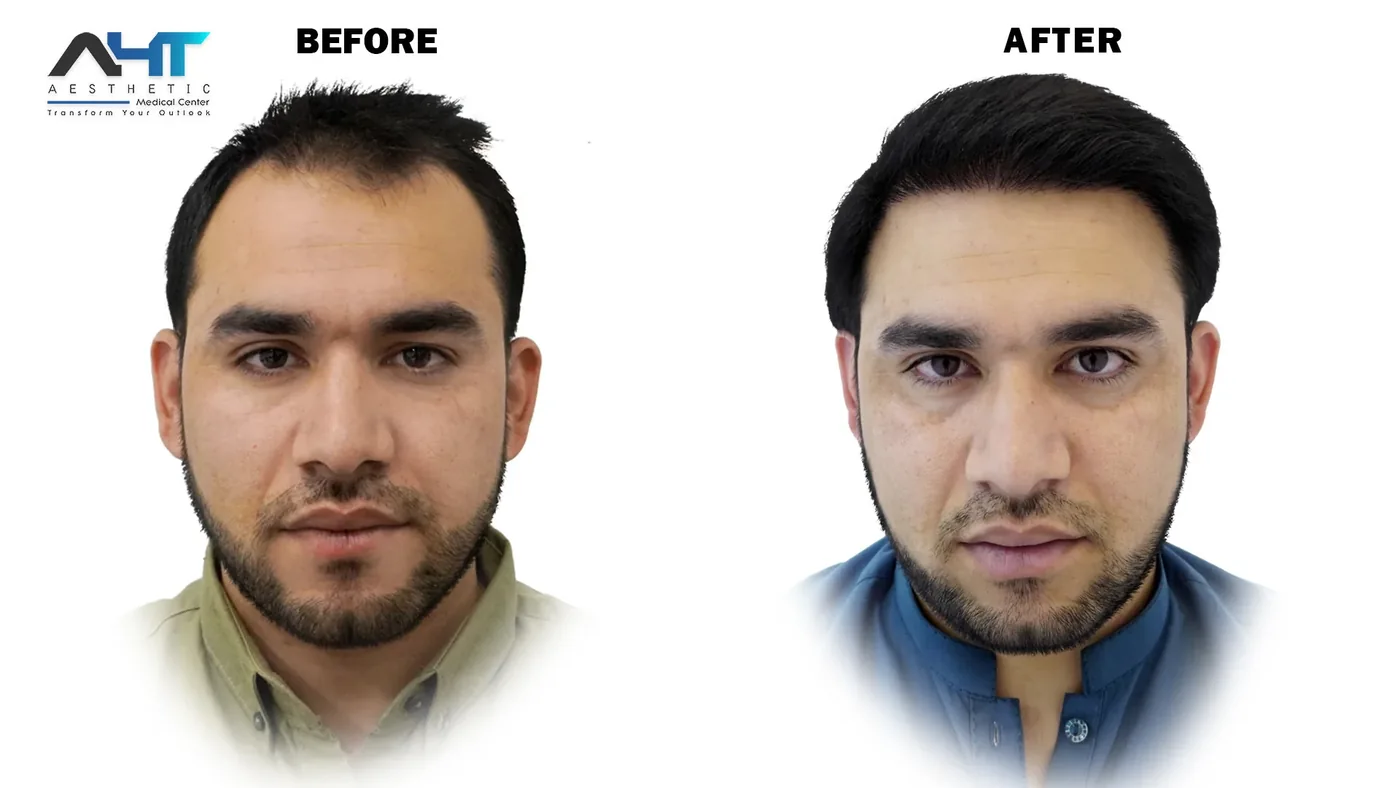
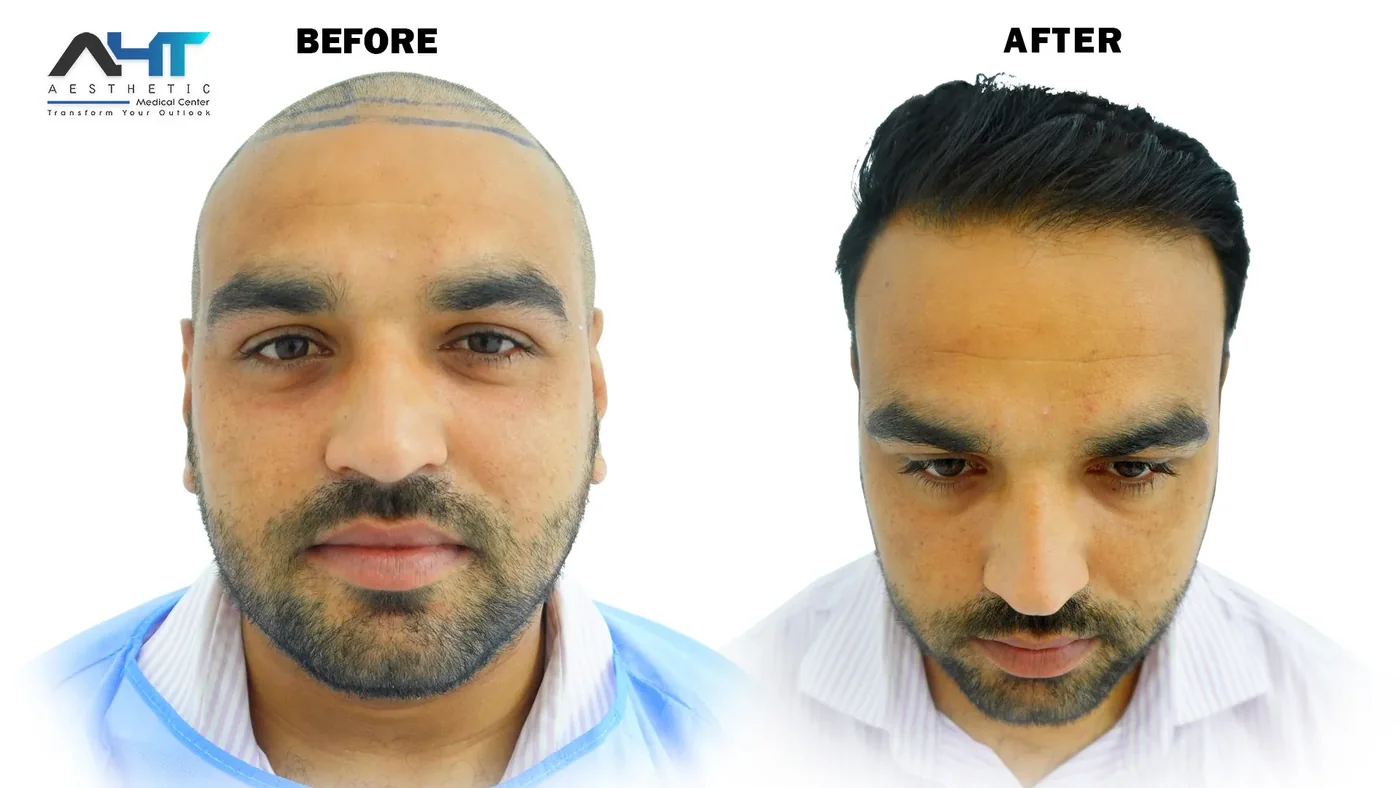
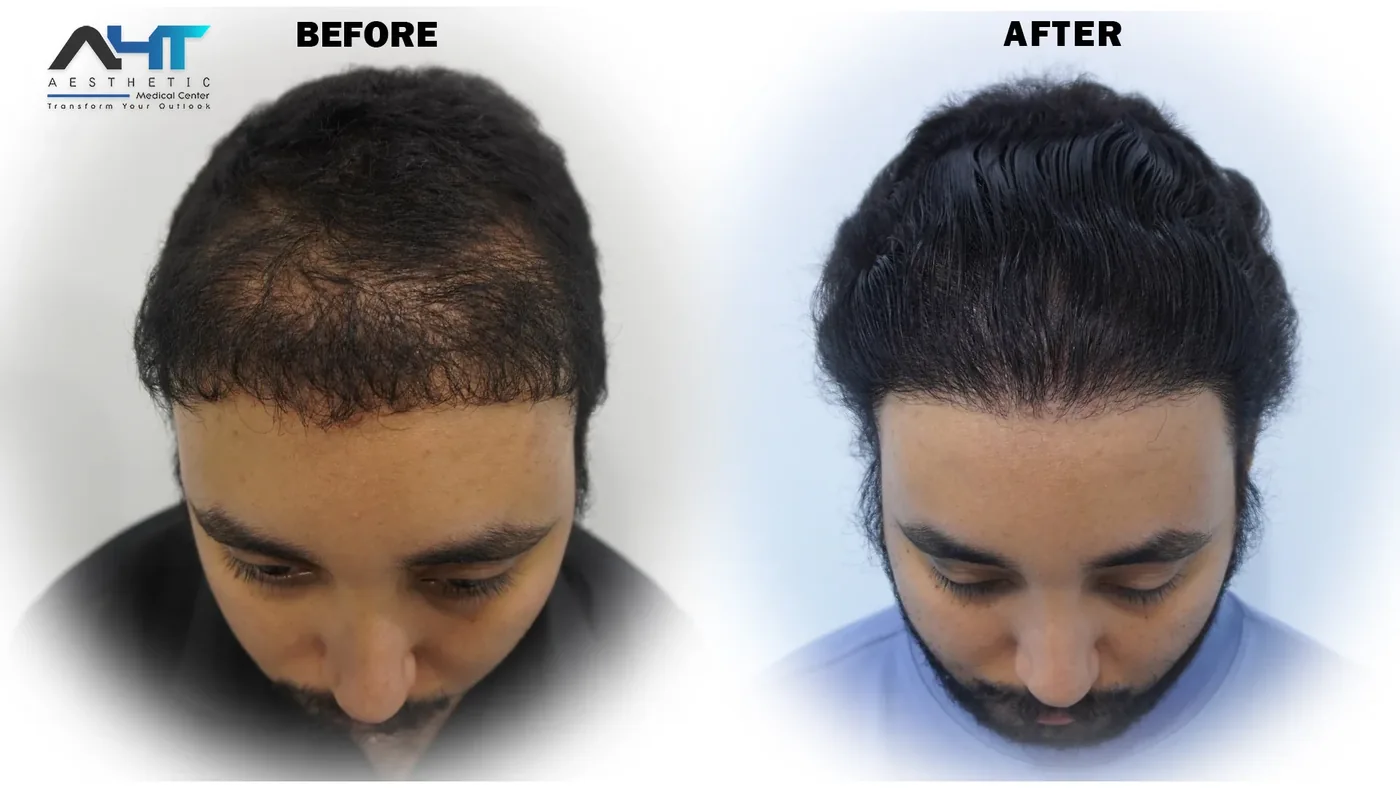
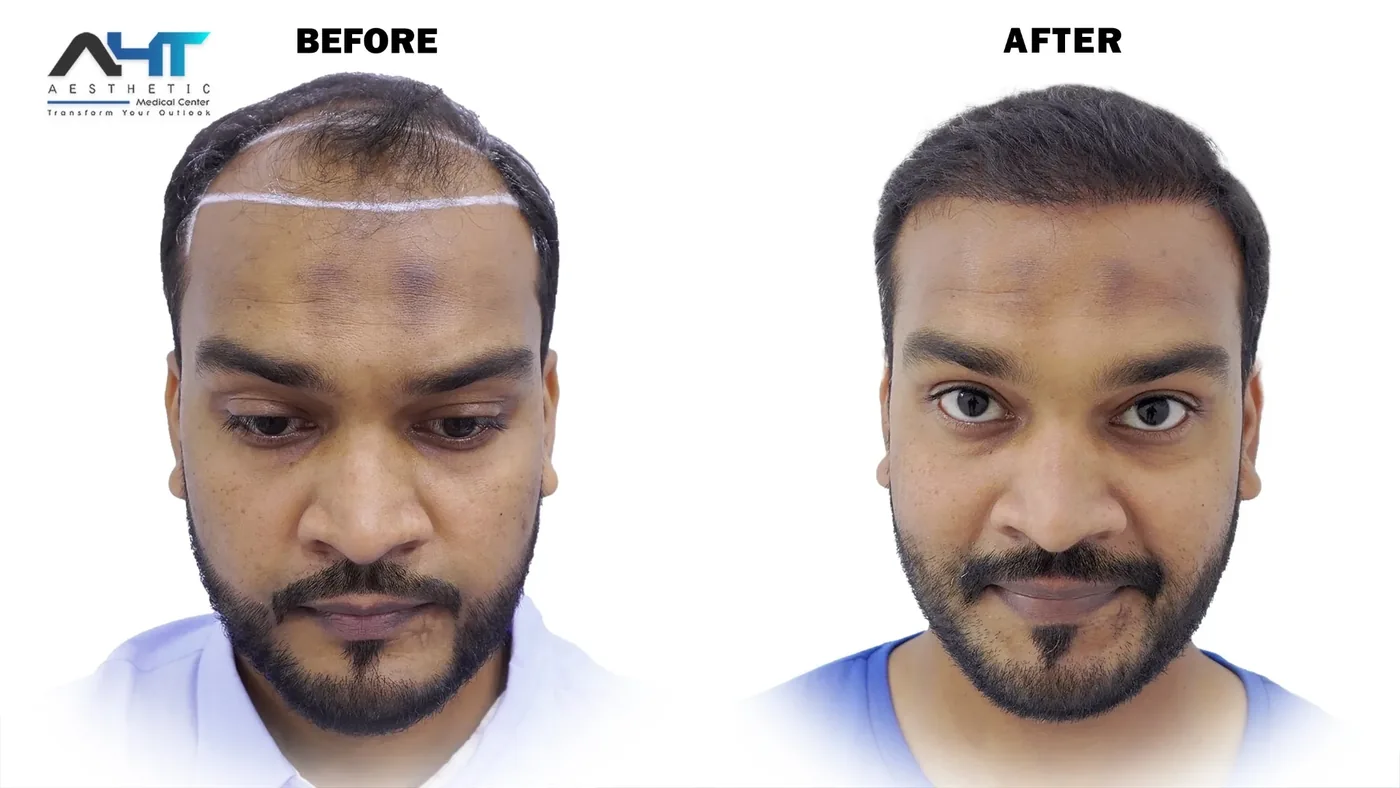
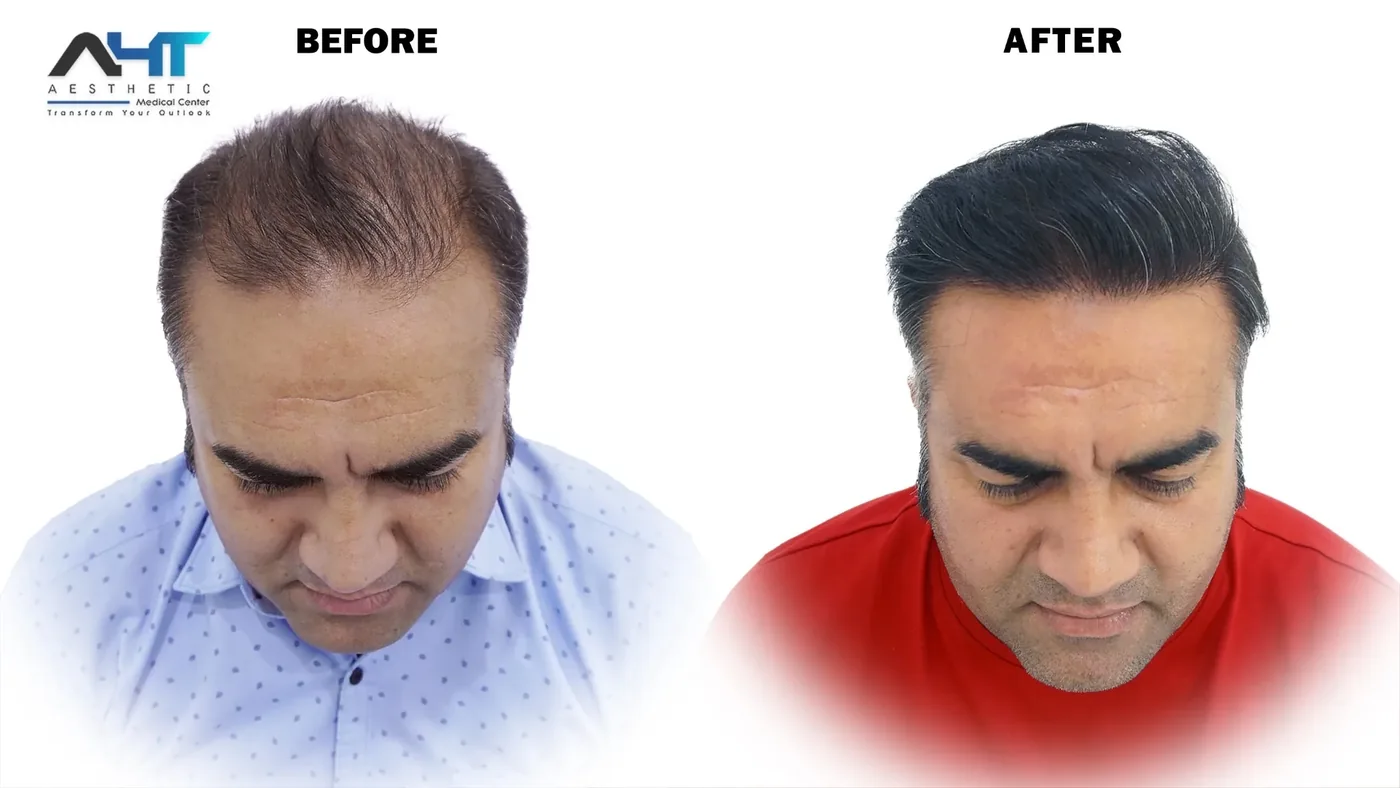
The best outcomes do not simply look fuller. They look believable. A natural hair transplant should fit your age, facial structure, hair texture, and existing growth pattern. If the hairline is too sharp, too low, or too dense in the wrong places, even a successful graft take can look unnatural.
Red flags to watch for
If a clinic promises instant full results, guaranteed graft survival, or one-size-fits-all packages, pause. Hair restoration is personalized medicine, not a commodity service.
Be cautious if the consultation feels rushed, the diagnosis is vague, or the emphasis is only on discounts. You should know who is performing the extraction, who is designing the hairline, and who is responsible for implantation. You should also understand what happens if your future hair loss progresses and whether medical therapy or supportive treatments like PRP are advised alongside transplant surgery.
A trustworthy provider will explain limitations honestly. If your donor area is weak, if multiple sessions may be needed, or if non-surgical treatment should come first, that should be discussed clearly.
Choosing the right clinic with confidence
The best hair transplant choice is usually the clinic that combines technical expertise, individualized planning, and realistic communication. Look for natural result patterns, not just dramatic before-and-after photos. Ask whether the treatment plan is built around your long-term hair loss pattern, not just today’s visible gaps.
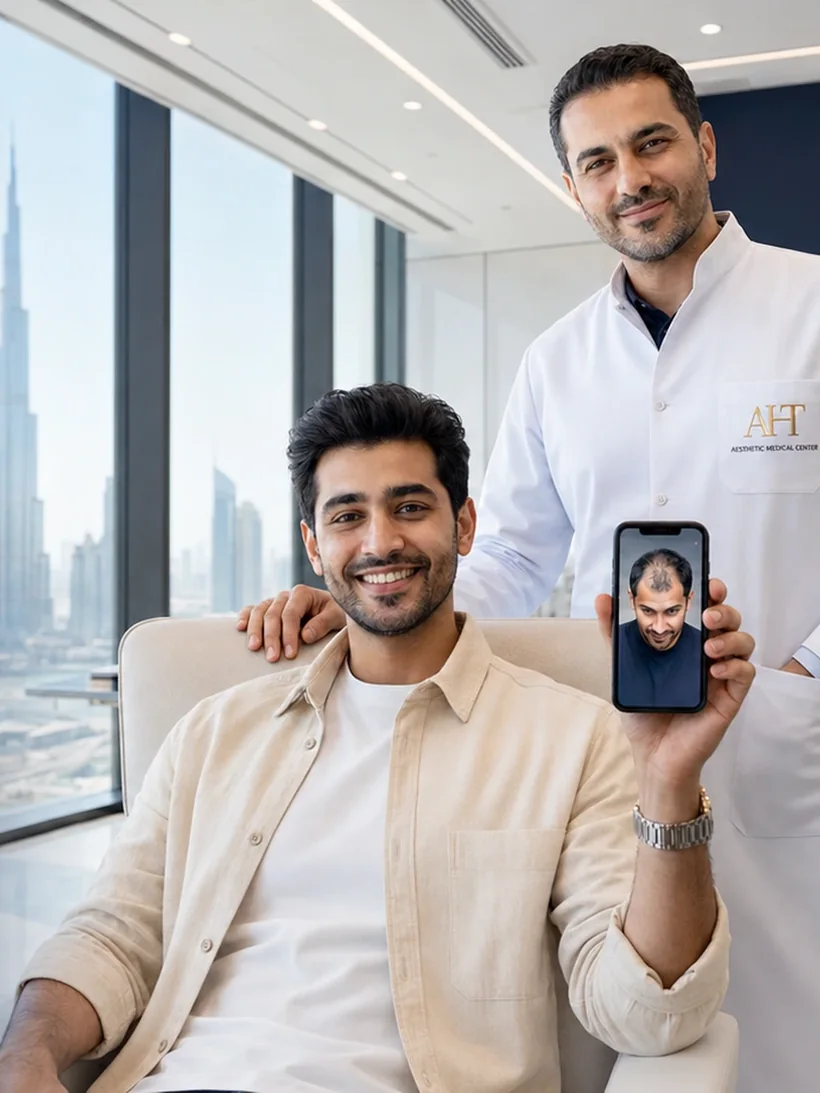
For patients who want medically guided care and refined, natural-looking restoration, a specialist clinic with a strong focus on hair procedures is often the safest place to begin. At A H T Aesthetic Medical Center, that patient-first approach is central to how treatment planning is done.
If you are still comparing options, focus on three things: diagnosis quality, design quality, and aftercare quality. Those factors do more to shape your final result than a flashy sales pitch ever will. The right transplant should not just add hair – it should restore confidence in a way that still looks like you.