Keloids are more than a cosmetic concern. They can feel raised, itchy, tender, and hard to ignore, especially when they appear on visible areas like the chest, shoulders, jawline, or earlobes. If you are researching the Best Keloid Treatments in Dubai, the most important thing to know is this: successful treatment is rarely about one procedure alone. The best results usually come from the right diagnosis, the right technique, and a plan designed to reduce the risk of the keloid coming back.
What makes a keloid difficult to treat?
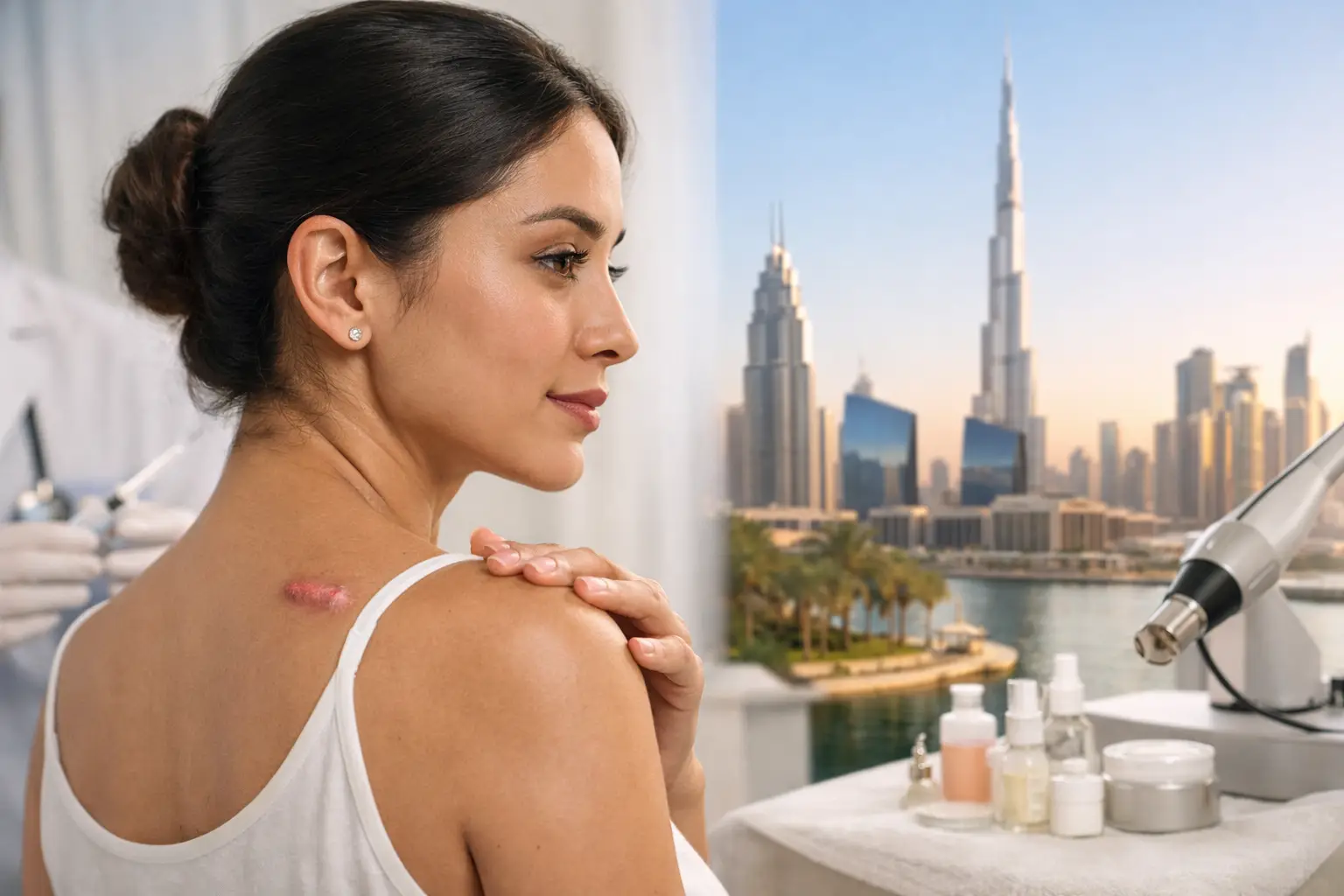
A keloid is scar tissue that grows beyond the original wound. Unlike a normal scar, it does not stop at the edges of the injury. This is why keloids can continue to enlarge over time and why they often return if treated too aggressively or with the wrong method.
Not every raised scar is a keloid. Some people actually have hypertrophic scars, which stay within the wound boundary and may respond differently to treatment. That distinction matters because choosing the wrong approach can lead to disappointing results. A proper clinical assessment should always come first.
Best Keloid Treatments in Dubai: what actually works
The most effective keloid treatment depends on the scar’s size, age, location, symptoms, and your skin’s healing pattern. In many cases, combination treatment offers the strongest outcome.
Steroid injections
Steroid injections are often one of the first-line treatments for keloids. They help flatten the scar, reduce inflammation, and ease symptoms like itching or discomfort. For smaller or newer keloids, this may be enough to produce a visible improvement over a series of sessions.
The trade-off is that injections usually require patience. Results are gradual, and some keloids only partially flatten. In certain cases, repeated injections can also cause thinning of the surrounding skin, so treatment needs to be carefully spaced and monitored.
Laser treatment
Laser therapy can be useful when the keloid is red, thick, or texturally uneven. It is often used to improve the scar’s appearance and, in some cases, to support other treatments rather than replace them. For patients concerned about visible scarring in exposed areas, laser can be a valuable part of a broader treatment plan.
That said, laser is not automatically the best stand-alone option for every keloid. Some scars need injections first, while others may need a more structured combination approach to reduce recurrence.
Surgical removal
Surgical excision may be recommended for large, bulky, or resistant keloids, especially when they affect comfort or appearance significantly. But surgery alone is usually not the full answer. A keloid that is simply cut out has a high chance of returning, and sometimes it can come back larger.
This is why experienced providers often combine surgery with follow-up care such as steroid injections, pressure therapy, or other scar-control strategies. The goal is not just removal. The goal is controlling how the skin heals afterward.
Silicone gel and pressure therapy
For some patients, especially after a fresh procedure or in early scar management, silicone gel sheets and pressure-based methods can support flatter healing. These are typically not the fastest solution for established keloids, but they can play an important supporting role.
They work best when used consistently. That can be the challenge. Patients who expect quick change may stop too early, even though scar care often requires steady use over weeks or months.
Why combination treatment is often the better option
Patients often search for one “best” treatment, but keloids do not behave the same way in every person. A small ear keloid after piercing is different from a chest keloid after acne or surgery. Skin type, family history, and previous scar behavior all affect the treatment plan.
In practice, the strongest results often come from combining techniques. For example, a patient may have the scar reduced surgically, then receive targeted injections to lower the chance of regrowth. Another patient may start with injections and later add laser sessions for a smoother final result. This is where a tailored medical plan makes the difference.
How to choose the right clinic for keloid treatment
When comparing providers, look beyond promises of fast scar removal. The more useful question is whether the clinic takes recurrence seriously. Keloid treatment should involve assessment, realistic expectations, and follow-up planning rather than a one-visit sales pitch.
You should feel confident asking what type of scar you have, whether one treatment or several are recommended, how many sessions may be needed, and what steps are used to reduce recurrence. A patient-centered clinic will answer clearly and guide you toward a treatment plan that fits both your skin and your goals.
At A H T Aesthetic Medical Center, personalized treatment planning is a core part of aesthetic care. That matters because scars, like all appearance concerns, respond best when treatment is built around the individual rather than a fixed formula.
When to book an assessment
If a scar is growing, raised, itchy, painful, or affecting your confidence, it is worth having it assessed sooner rather than later. Earlier treatment can be easier than waiting for a keloid to become larger and more stubborn.
The Best Keloid Treatments in Dubai are not defined by hype or trend. They are defined by accurate diagnosis, safe technique, and a plan that gives your skin the best chance to heal with a smoother, flatter result. The right consultation can tell you not only what can be improved, but how to improve it responsibly.