The first wash after a hair transplant makes many patients nervous for good reason. You have invested in new grafts, the scalp feels tender, and even a gentle stream of water can seem risky. If you are wondering how to wash transplanted hair without disturbing healing, the key is not force – it is timing, technique, and patience.
A proper wash routine helps remove dried blood, excess oil, and crusting while protecting the newly placed grafts. Done correctly, washing supports healing and keeps the scalp comfortable. Done too aggressively or too early, it can irritate the area and increase anxiety, even when the grafts remain intact. That is why clear aftercare matters just as much as the procedure itself.
Why washing transplanted hair needs a different approach
In the first days after surgery, the grafts are still settling into place. The scalp may be red, swollen, itchy, or tight. This is normal. What changes is the level of care required. Your usual shower routine is too rough for this stage, especially if it includes direct water pressure, hot water, strong shampoo, or rubbing with your fingertips.
When patients ask how to wash transplanted hair, they are usually worried about dislodging grafts. That concern is understandable, but the bigger issue is often unnecessary friction. Scratching, massaging, or letting high-pressure water hit the recipient area can interfere with early healing. Gentle handling gives the scalp the best chance to recover cleanly.
There is also a balance to strike. Avoiding washing for too long is not helpful either. A scalp that stays overly oily or covered in buildup can become more irritated. The goal is a clean scalp without trauma.
When you can start washing after a hair transplant
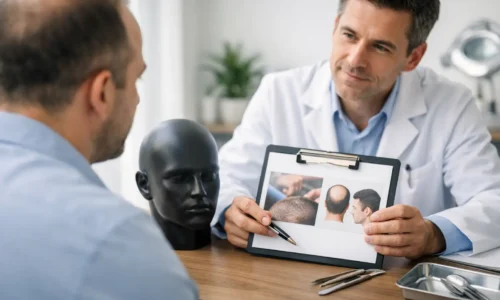
The timing depends on your surgeon’s instructions, but many patients are told to begin a very gentle wash within the first few days after the procedure. In some cases, the first wash is done at the clinic or under direct guidance so patients can see the correct method.
This is one of those situations where it depends on the individual treatment plan. The number of grafts, the technique used, your skin sensitivity, and your healing response all matter. If your provider gives instructions that differ from general advice online, your provider’s guidance should come first.
As a rule, the earliest washes are not about making the hair feel fresh or look normal. They are about keeping the scalp clean while preserving the grafts. That is a very different standard from a regular shampoo.
How to wash transplanted hair in the first 7 to 10 days
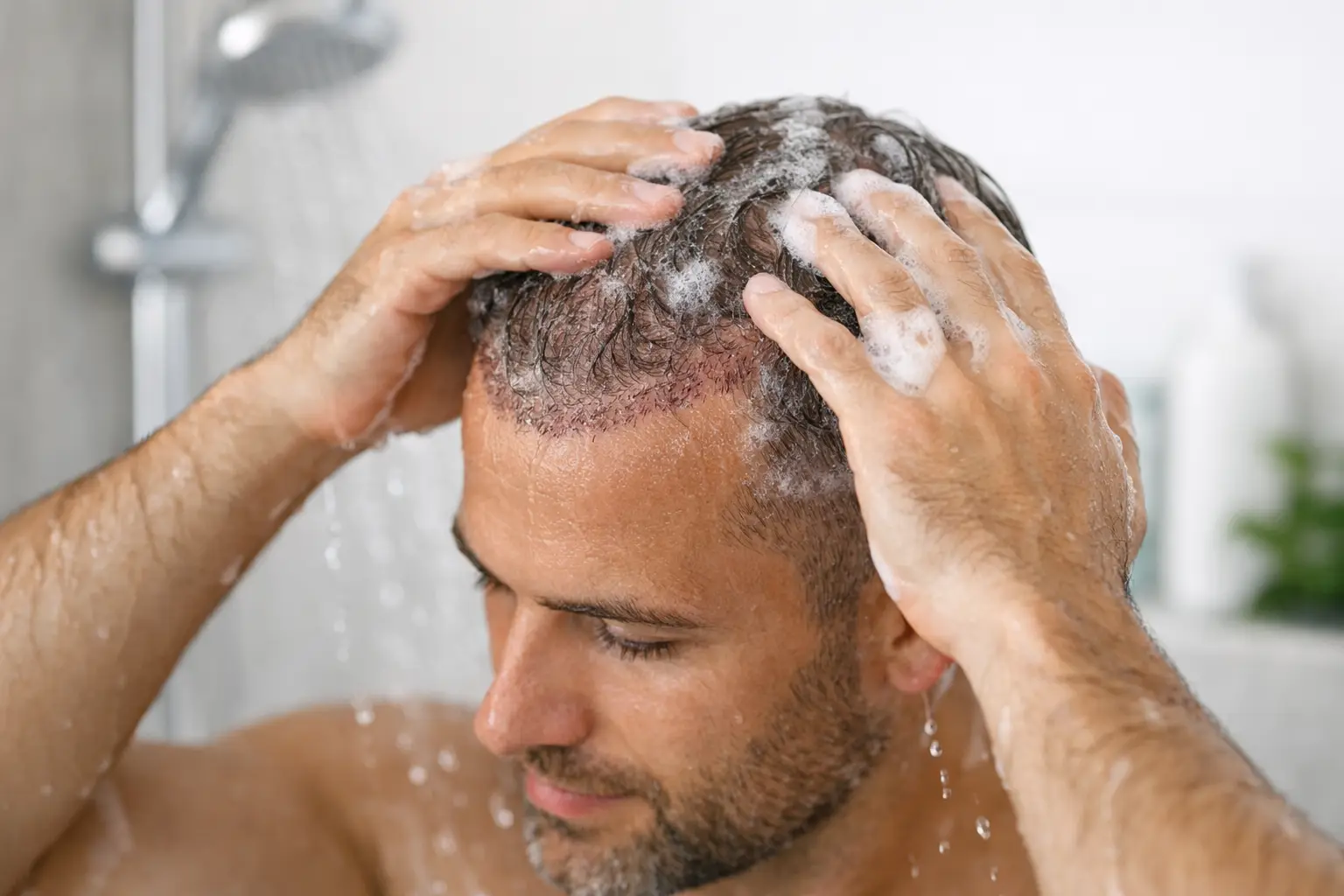
For the early phase, think of washing as a controlled rinse rather than a normal hair wash. Start by using lukewarm water, never hot. If your clinic has recommended a specific shampoo or foam, use only that product during the first stage. Pour a small amount into your hands and dilute it if advised.
Apply the cleanser by dabbing it gently onto the transplanted area rather than rubbing it in. The donor area may tolerate slightly more contact, but even there, keep your movements careful and light. Let the product sit briefly if your aftercare instructions recommend it. This can help soften crusting so it lifts away gradually over time instead of being forced off.
When rinsing, avoid direct shower pressure on the recipient area. Many patients do better by filling a cup with lukewarm water and slowly pouring it over the scalp. If you do use a showerhead, make sure the pressure is very low and let the water fall indirectly.
Drying matters too. Do not rub with a towel. Instead, let the scalp air dry or pat very gently around the area without touching the grafts too much. A cool setting on a hair dryer may be allowed later, but high heat should be avoided unless your surgeon says otherwise.
What to expect during washing
It is normal to see a few hairs shed during recovery. This does not always mean you have lost a graft. In the early weeks, the transplanted hairs often fall out while the follicles remain in place beneath the skin. That process can look alarming if you are not expecting it.
You may also notice small scabs or crusts forming around each graft. These should not be picked or scrubbed off. With proper washing, they usually soften and come away gradually. Trying to remove them too soon can create bleeding or irritation.
Mild itching is common as the scalp heals. Patients are often tempted to scratch, especially at night or after washing. Resist that urge. If the itching feels intense, it is better to contact your clinic than to guess your way through it.
Common mistakes that can harm healing
Most aftercare problems do not come from washing itself. They come from trying to return to normal too quickly. The most common mistake is rubbing the transplanted area with fingertips, nails, or a towel. The second is using strong water pressure because it feels cleaner or faster.
Another issue is choosing the wrong products. Shampoos with harsh fragrance, active dandruff ingredients, or exfoliating agents can irritate a healing scalp. Even products that work well for your usual hair type may be too strong right after surgery.
Temperature also matters more than many patients realize. Hot water can increase scalp sensitivity and dryness. Very cold water is not dangerous in the same way, but it can feel uncomfortable and make the process harder to tolerate. Lukewarm water is usually the safest middle ground.
Some patients also over-wash because they are worried about cleanliness. Others under-wash because they are afraid to touch the grafts. Neither extreme is ideal. Consistent, gentle washing based on your clinic’s instructions is what supports recovery best.
When your washing routine can become more normal
After the first 7 to 10 days, many patients can gradually become a little less cautious, especially once crusting has reduced and the grafts are more secure. Even then, normal does not mean aggressive. You may be able to use slightly more contact, but vigorous scrubbing should still wait until your provider confirms the scalp has healed enough.
This stage often feels better because the fear starts to fade. Swelling goes down, tenderness improves, and washing no longer feels like a high-stakes task. Still, patience matters. The hair growth timeline is much longer than the washing timeline, and the scalp may remain sensitive for a while.
If you have been given permission to resume your standard shampoo, it is still wise to reintroduce products gradually. A gentle, non-irritating cleanser is usually the better option until the scalp feels fully settled.
Signs you should contact your clinic
Some discomfort is expected, but worsening pain, spreading redness, unusual swelling, pus, or a bad odor should not be ignored. Bleeding after gentle washing is also worth reporting, especially if it happens more than once.
It is also a good idea to check in if thick scabs remain for longer than expected or if you are unsure whether what you are seeing is normal shedding or something else. Good aftercare support should reduce uncertainty, not leave you guessing.
At a specialist clinic such as A H T Aesthetic Medical Center, patients are guided through each stage of recovery because details like washing technique can affect comfort, confidence, and healing. That support is especially valuable when the scalp looks unfamiliar and every small change feels significant.
A few practical tips for easier washing
It helps to wash in a calm setting where you are not rushed. Trying to do it quickly before work or late at night often leads to careless movements. Set aside enough time so you can move slowly.
If your scalp feels tight, let the cleanser sit as instructed before rinsing. This often makes crusts easier to loosen naturally over several washes. Keep your nails short during recovery as well. Even accidental contact can irritate a healing scalp.
And if you feel anxious the first time, that is normal. Many patients do. Once you understand the method and get through the first few washes safely, the process usually becomes much less stressful.
Healing after a hair transplant is full of small moments that feel bigger than they are, and washing your hair is one of them. Be gentle, follow your clinic’s instructions closely, and give the grafts time to settle. A careful routine now supports the healthy growth you are waiting to see.