If you have started noticing more scalp showing in bright light, a widening part, or a receding hairline that no styling trick can hide, you have probably asked the same question many patients do: what is hair restoration procedure, and is it actually worth it? The short answer is that hair restoration is a medical approach to improving hair density, hairline shape, and overall coverage using treatments that support regrowth, preserve existing hair, or transplant healthy follicles into thinning areas.
For some people, that means a nonsurgical plan to slow shedding and strengthen weak follicles. For others, it means a hair transplant designed to create natural-looking, lasting coverage. The right answer depends on the cause of your hair loss, how advanced it is, and what kind of result you want.
What Is Hair Restoration Procedure and What Does It Include?
Hair restoration is not one single treatment. It is a category of medical procedures and therapies used to address hair thinning, patchy loss, or bald areas on the scalp, beard, mustache, or eyebrows.
In practice, a hair restoration procedure may involve transplanting hair follicles from a donor area, usually the back or sides of the scalp, into areas with reduced density. It can also involve regenerative options such as PRP or PRF, which are used to support scalp health and encourage stronger hair growth. Some patients benefit most from a combined treatment plan rather than a single procedure.
That distinction matters. Many people assume hair restoration always means surgery, but that is not true. Surgical restoration is often the best option for established baldness or a receding hairline that is unlikely to recover on its own. Nonsurgical restoration is often better for early thinning, post-stress shedding, or cases where the goal is to improve existing hair quality and slow progression.
How a Hair Restoration Procedure Works
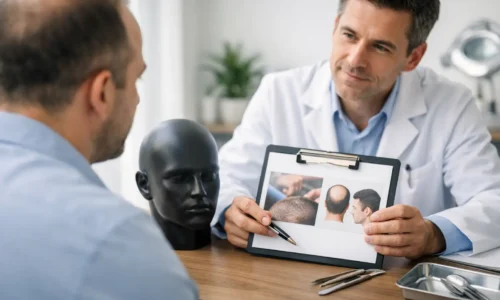
The first step is always diagnosis. Hair loss can be driven by genetics, hormonal changes, medical conditions, stress, traction, age, or inflammatory scalp issues. A proper consultation looks at your pattern of hair loss, donor hair quality, scalp condition, and expectations.
If a transplant is recommended, the procedure usually involves extracting healthy follicles from a donor zone and placing them carefully into the areas that need coverage. The placement angle, direction, and density are what make the result look natural. A technically correct transplant should not look pluggy, harsh, or obvious.
Modern procedures are typically performed under local anesthesia, which means the treatment is designed to be comfortable and minimally invasive. Patients are awake, and most are surprised by how manageable the experience feels. Mild soreness or tightness afterward is common, but significant pain is not the goal of quality care.
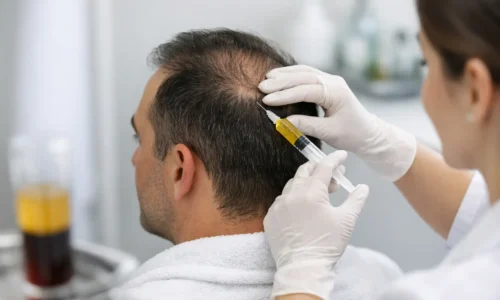
If regenerative therapy is recommended, blood-derived treatments such as PRP or PRF may be used to deliver growth factors into the scalp. These are often chosen for diffuse thinning, maintenance after transplant, or support in areas where follicles are still alive but underperforming.
Different Types of Hair Restoration
The term hair restoration covers several treatment paths, and each has a different role.
Hair transplant surgery
This is the most direct option for restoring hair in areas where follicles are no longer producing meaningful growth. It is commonly used for male pattern baldness, female hairline refinement in selected cases, temple recession, crown thinning, and scar coverage. It can also be adapted for beard, mustache, and eyebrow restoration.
The main advantage is longevity. Transplanted follicles are typically taken from areas that are more resistant to hair loss, so they tend to keep growing in their new location. The trade-off is that results take time, and the quality of the outcome depends heavily on planning, technique, and donor management.
PRP and PRF hair treatments
These options use components from your own blood to support follicle activity and scalp health. They are often chosen by patients with thinning hair who are not yet ready for transplant or who want to improve the look of existing hair.
The benefit is that treatment is minimally invasive and requires little downtime. The limitation is that it does not create new follicles in completely bald areas. It works best where hair is miniaturized, not absent.
Combined treatment plans
Many of the best results come from combining methods. A transplant can rebuild the hairline or fill sparse zones, while PRP or PRF supports surrounding native hair. This matters because restoring density is not just about adding grafts. It is also about protecting what you still have.
Who Is a Good Candidate?
A good candidate is not simply someone who wants more hair. It is someone whose hair loss pattern, donor supply, general health, and expectations make the procedure a sensible match.
People with genetic hair loss often do well with restoration, especially when donor hair is stable and healthy. Men with receding hairlines and crown loss are common candidates, but women with thinning or specific areas of loss may also benefit. Facial hair and eyebrow patients can also be excellent candidates when the underlying cause has been properly assessed.
What can complicate things is unstable hair loss, poor donor density, certain medical conditions, or expectations that are not realistic. Not every patient should move straight to surgery. Sometimes the best plan is to stabilize shedding first, then decide whether transplantation is appropriate later.
What Results Should You Expect?
This is where honest guidance matters most. Hair restoration can significantly improve density, frame the face better, and restore confidence, but it does not turn every scalp into the hair volume of your teenage years.
A strong result looks natural in normal life, not just in clinic photos. That means a hairline that suits your age and facial structure, density that blends with your existing hair, and growth that does not draw attention for the wrong reasons.
Transplanted hair usually sheds early before new growth begins. Visible improvement often starts after a few months, with fuller results developing gradually over time. Regenerative treatments also require patience and consistency. If you are looking for an overnight transformation, hair restoration will feel slow. If you are looking for real, medically guided improvement, the timeline is usually worth it.
Recovery and Downtime
Most modern hair restoration procedures are designed around manageable recovery. After a transplant, you can expect some redness, scabbing, and temporary sensitivity in the treated areas. These effects are normal and usually improve steadily over the first days to weeks.
You will also receive aftercare instructions on washing, sleeping position, activity limits, and how to protect the grafts. Following these instructions is not optional. Early healing affects the quality of the final result.
Nonsurgical treatments like PRP and PRF involve far less downtime. Most patients return to normal routines quickly, although mild tenderness or temporary redness can occur.
What Makes One Clinic Better Than Another?
Hair restoration is highly technique-sensitive. Two clinics can offer the same type of procedure and deliver very different outcomes.
The difference usually comes down to consultation quality, treatment planning, medical oversight, and artistic judgment. A good provider does not just count grafts. They study your facial balance, donor area, long-term hair loss pattern, and what will still look right years from now.
This is especially important for patients seeking a premium but approachable experience. At a specialist clinic such as A H T Aesthetic Medical Center, the value is not just in performing the procedure. It is in tailoring the plan, minimizing anxiety, and aiming for natural results that fit your features rather than a one-size-fits-all design.
Questions to Ask Before You Book
Before moving forward, ask what is causing your hair loss, whether the recommended option is surgical or nonsurgical, how many sessions may be needed, and what kind of result is realistic in your case. You should also ask about recovery, maintenance, and whether supporting treatments are advised to preserve surrounding hair.
A trustworthy consultation should feel clear, not pressured. If the explanation sounds too simple or promises perfect density without discussing limitations, be cautious. Good hair restoration is personalized medicine, not a sales script.
Hair loss can feel surprisingly personal. It affects photos, work confidence, social comfort, and the way you see yourself in the mirror. The right hair restoration procedure does more than add hair. It gives you a plan, a path forward, and results that look like you on your best day.