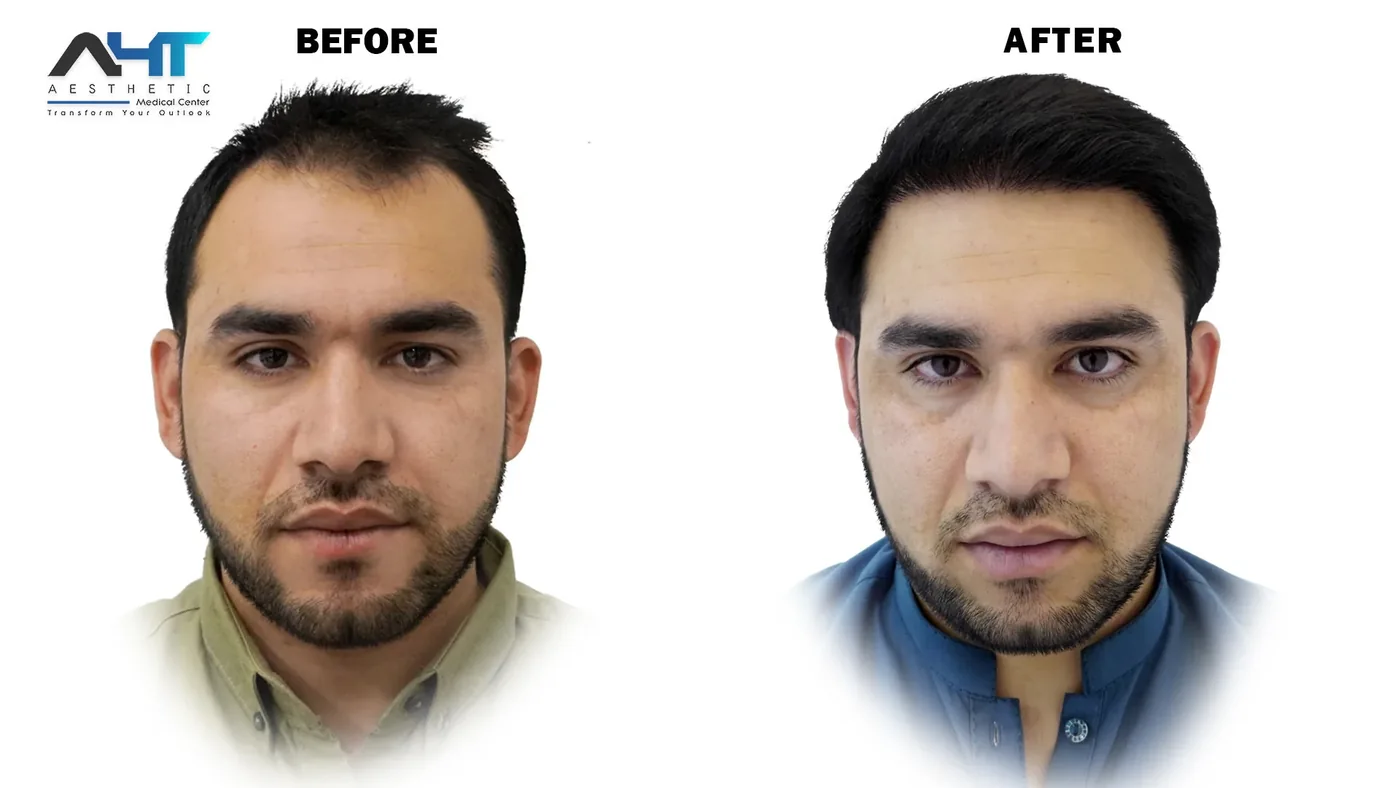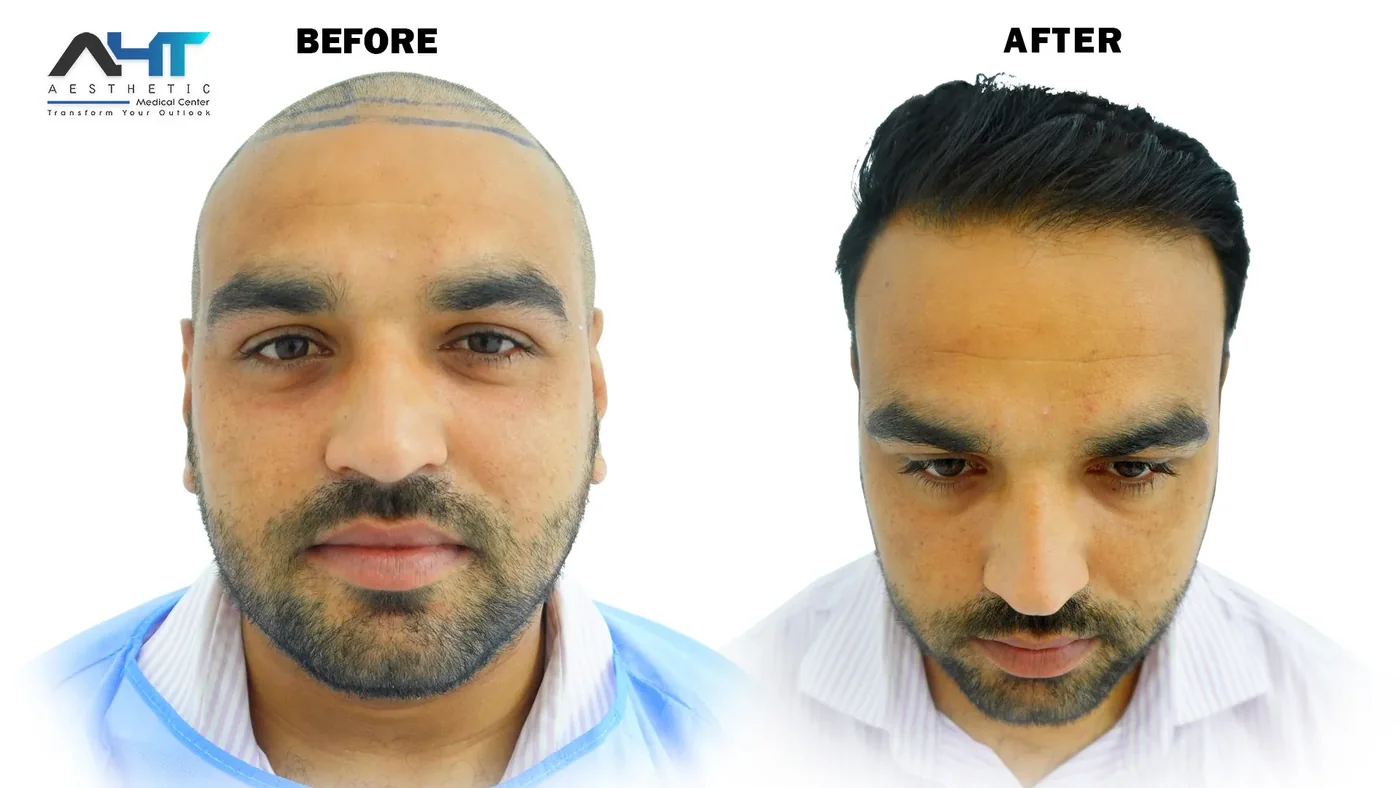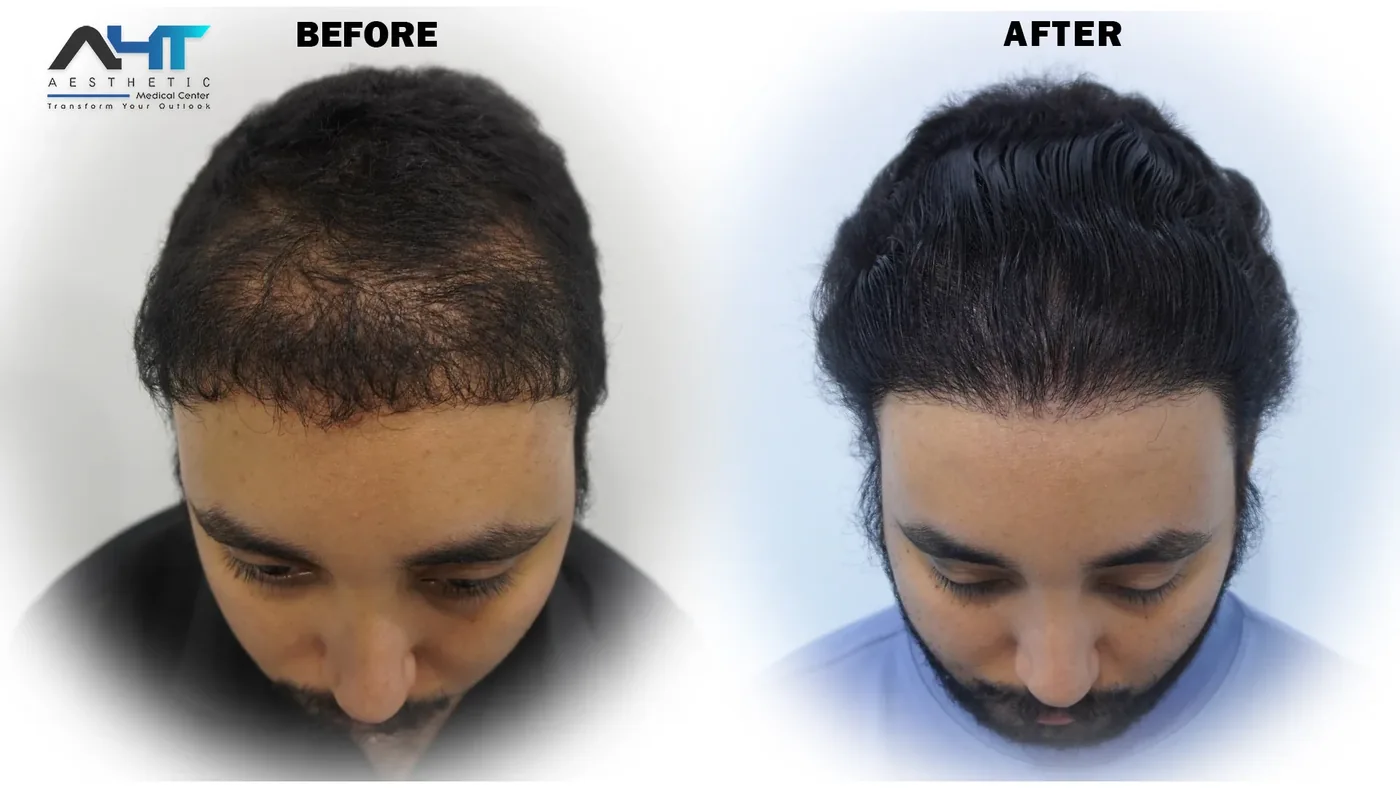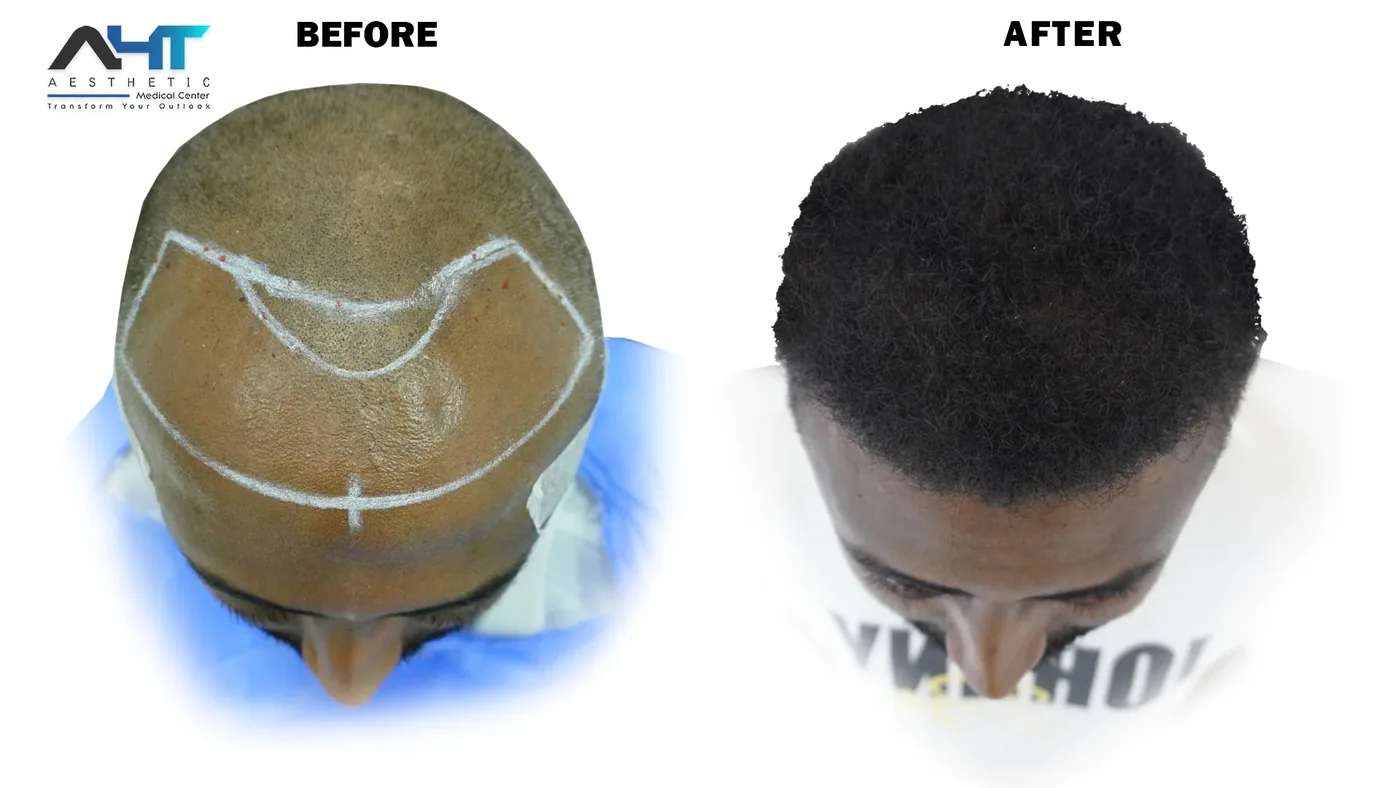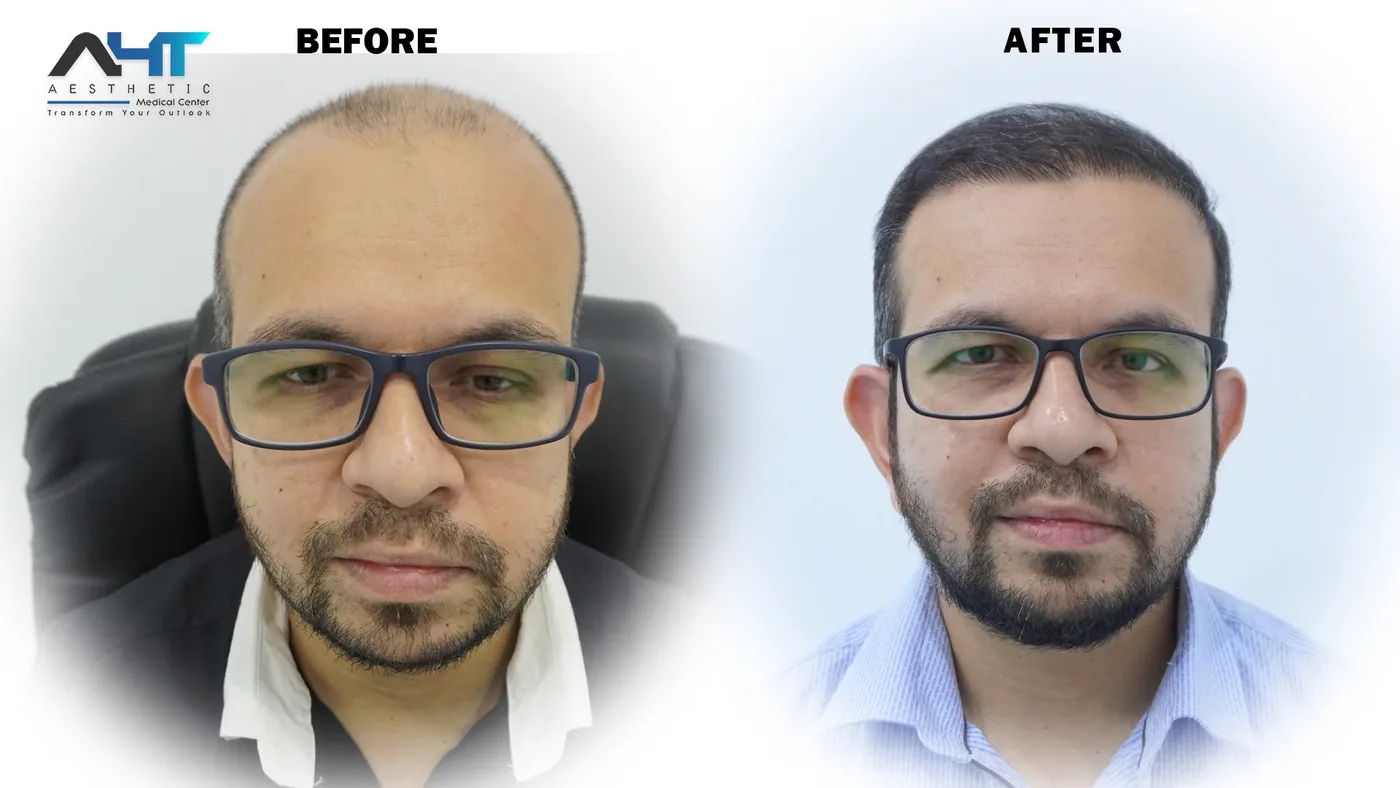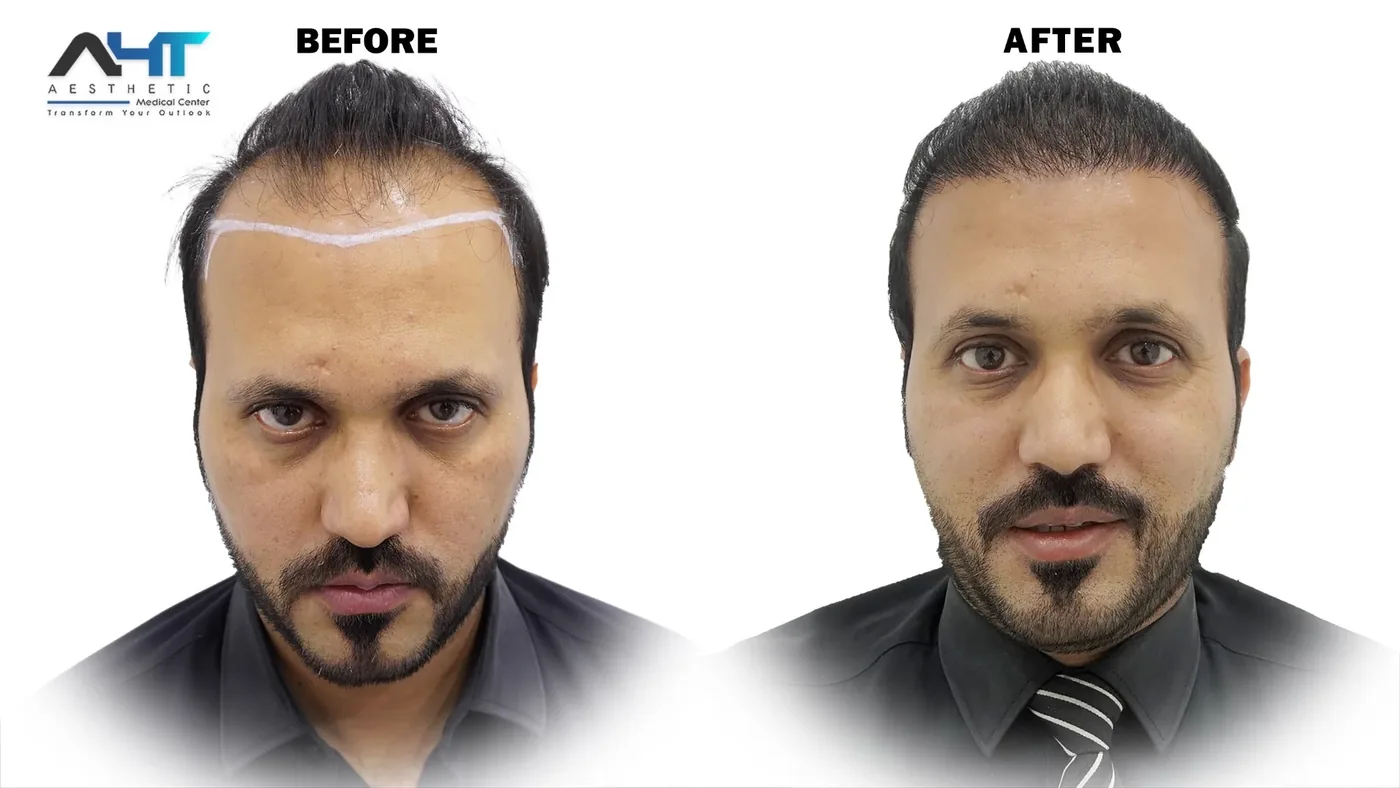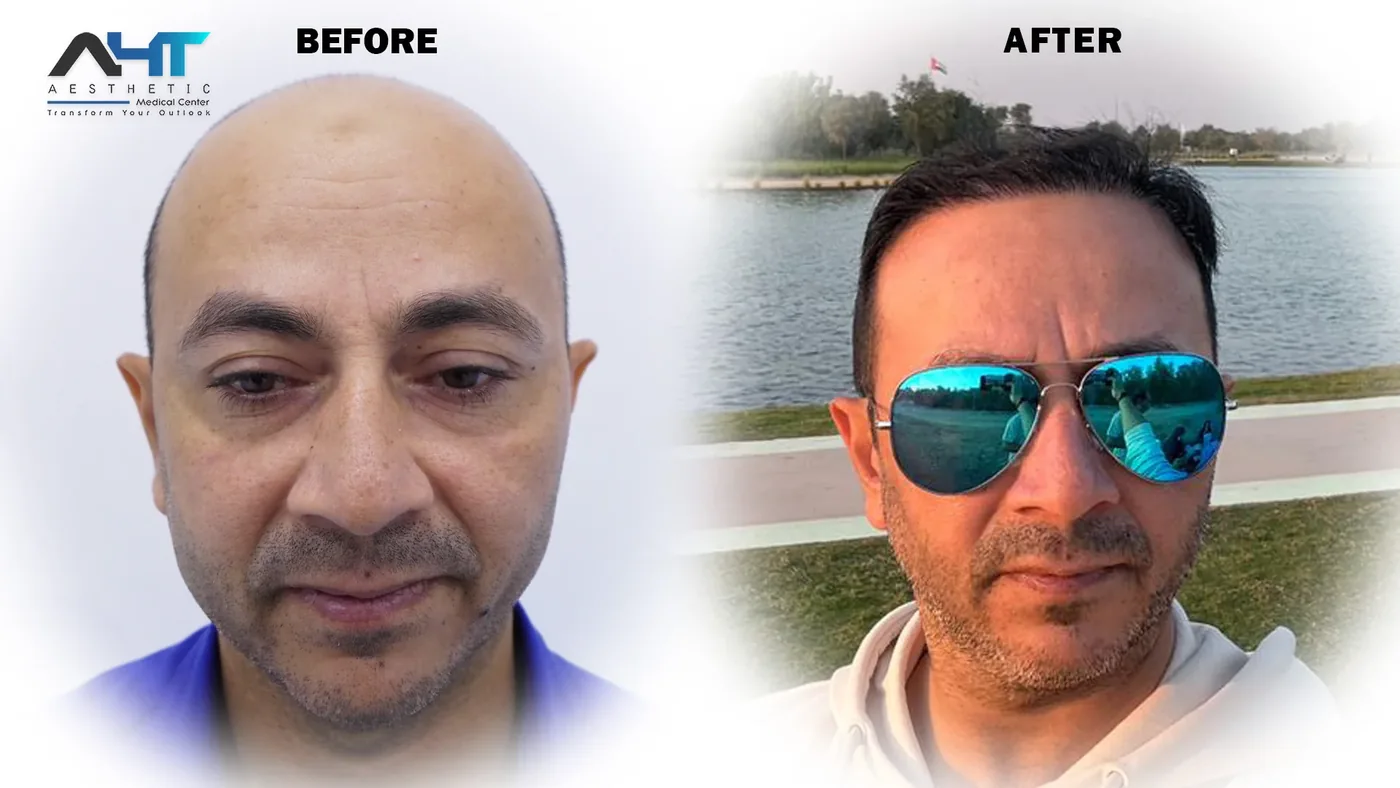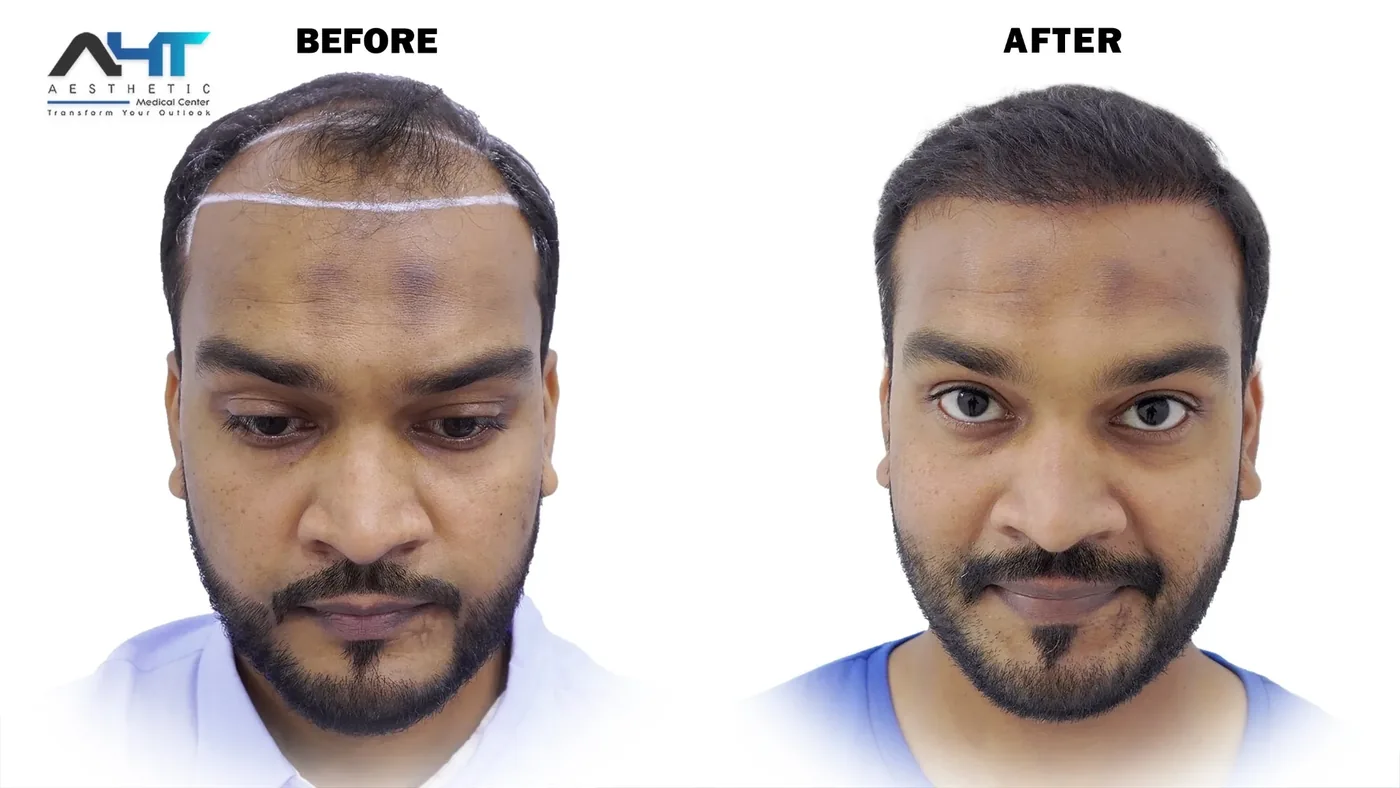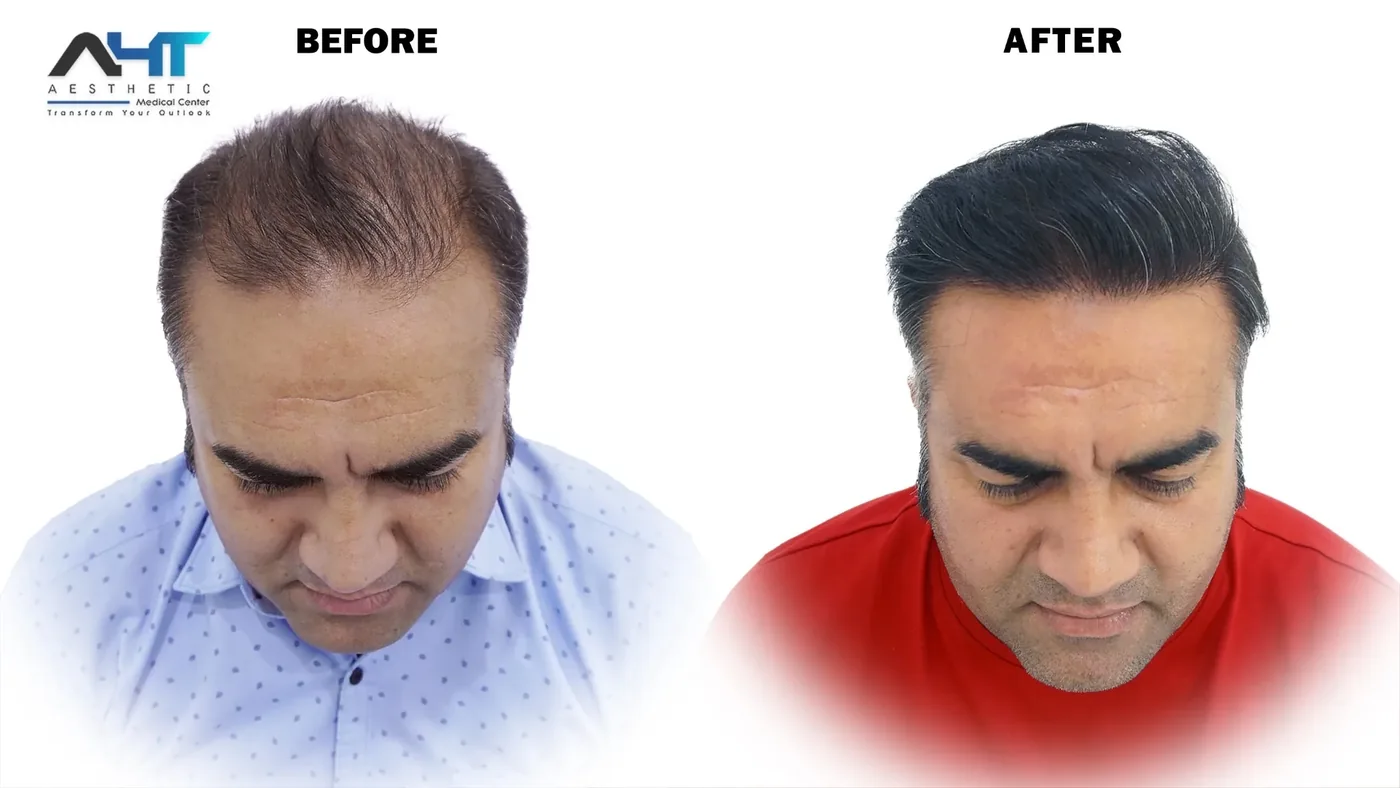
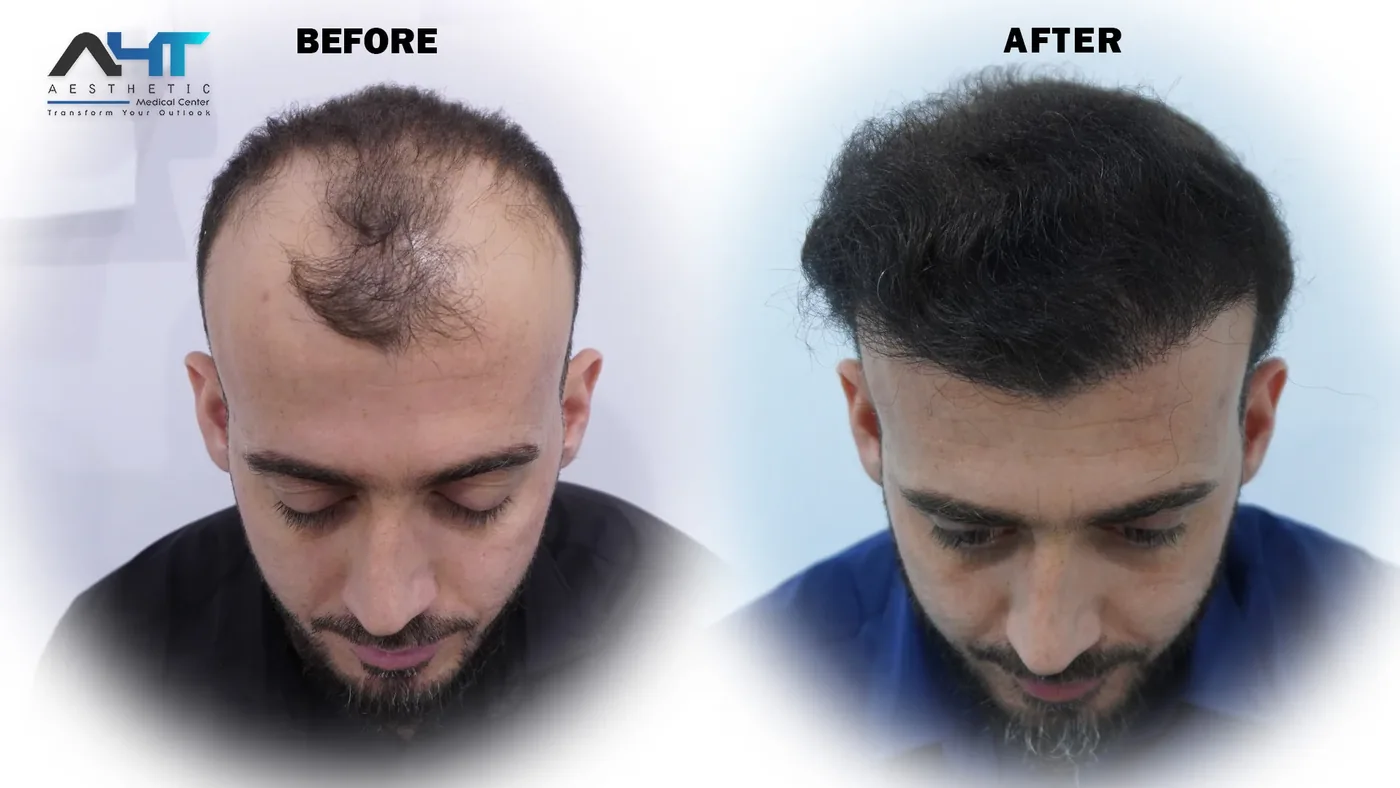
A receding hairline rarely feels like a small issue when you see it every morning. For many patients, researching hair loss procedures for men starts after months or years of trying to ignore thinning areas, adjust styling habits, or spend money on products that promise more than they deliver. What helps most is understanding which treatments are medically sound, who they suit, and what kind of result you can realistically expect.
Why men lose hair in different ways
Not all male hair loss follows the same pattern, even when it looks similar at first. The most common cause is male pattern baldness, which is driven by genetics and sensitivity to DHT. This usually shows up as temple recession, thinning at the crown, or gradual diffuse loss across the top of the scalp while the sides and back remain stronger.
Other men are dealing with stress-related shedding, inflammatory scalp conditions, nutritional issues, or hair loss linked to illness or medication. That distinction matters because the right treatment for one patient may be the wrong choice for another. A man with active shedding and a healthy hairline does not need the same plan as someone with established bald areas and stable donor hair.
This is why a proper consultation is more than a formality. It sets the direction for treatment and helps avoid procedures that are either premature or unlikely to give a satisfying result.
The main hair loss procedures for men
When patients ask about solutions, they are usually trying to compare non-surgical treatment with hair restoration surgery. Both can be effective, but they solve different parts of the problem.
PRP for early thinning
Platelet-rich plasma, or PRP, is a popular option for men who still have existing hair but notice reduced density, increased shedding, or weaker growth. The treatment uses a concentrated portion of your own blood, prepared and injected into the scalp to support follicle activity.
PRP is not a replacement for transplant surgery when an area is already bare. It works best when follicles are still alive but underperforming. The goal is to strengthen hair, improve thickness, and slow progression. Results vary, and most men need a series of sessions followed by maintenance treatments. That makes PRP a good fit for patients who want a minimally invasive option and are willing to treat hair loss as an ongoing process rather than a one-time fix.
Hair transplant surgery for visible restoration
If the scalp has smooth, clearly bald areas, a hair transplant is often the most effective solution. This procedure moves healthy follicles from the donor zone, usually at the back of the head, into areas affected by loss. Because the transplanted follicles are generally more resistant to DHT, they can continue to grow in their new location.
The two names patients hear most often are FUE and FUT. FUE, or follicular unit extraction, removes individual grafts one by one. FUT, or follicular unit transplantation, removes a strip of tissue and separates grafts from it. In modern aesthetic practice, FUE is often preferred because it is less invasive in appearance, leaves tiny dot-like extraction points rather than a linear scar, and offers flexibility for men who wear their hair shorter.
That said, technique selection depends on scalp characteristics, donor supply, hairstyle goals, and the number of grafts needed. The best procedure is not always the trendiest one. It is the one that protects donor hair and creates a natural-looking hairline that still makes sense years from now.
Combined treatment plans
Many men need more than one intervention. A transplant can rebuild the front hairline or crown, while PRP supports native hair in surrounding areas. This combined approach can be especially useful for men with ongoing thinning behind the transplanted zone.
The advantage of combination care is that it treats both restoration and preservation. The trade-off is that it requires planning and follow-through. Men looking for the strongest long-term cosmetic result often benefit from thinking beyond a single procedure.
What makes a good candidate for treatment
A good candidate is not simply someone who wants more hair. Suitability depends on age, pattern of hair loss, donor quality, scalp health, and expectations.
For example, a younger man with rapidly progressing recession may need a conservative plan. Rebuilding an aggressive youthful hairline too early can create problems later if hair loss continues behind it. On the other hand, a man in his late 30s or 40s with stable loss and strong donor density may be an excellent transplant candidate.
Men with diffuse thinning can still qualify for treatment, but planning becomes more nuanced. In these cases, preserving existing hair is just as important as adding new grafts. Patients with limited donor supply may also need to be selective about what can realistically be achieved. Coverage, density, and hairline design all involve trade-offs.
That is where an experienced medical team adds real value. The goal should not be to sell the biggest procedure. It should be to create a treatment plan that matches your anatomy, hair loss pattern, and long-term appearance.
What to expect from hair transplant results
One of the biggest misconceptions around hair restoration is timing. Transplanted hair does not appear overnight. After the procedure, the newly placed hairs often shed before regrowth begins. This is normal. Early growth usually starts within a few months, with fuller visible improvement developing over time.
Patience matters because natural-looking density is a gradual process. Men who expect instant transformation may feel discouraged too soon. In reality, successful outcomes are measured by how well the final result blends with your existing hair, suits your facial features, and looks believable in normal life, not just in close-up photos.
There is also the question of density. A skilled transplant can create a much fuller appearance, but it cannot give every patient the exact density they had as teenagers. The available donor area is finite. Good planning uses that donor hair carefully, focusing on the zones that make the biggest visual difference.
Choosing between non-surgical and surgical options
If you are deciding between PRP and a transplant, the simplest question is this: are the follicles still there?
If the area is thinning but still growing hair, PRP may help strengthen what remains. If the area has been bald for a long time and follicles are no longer functioning, PRP is unlikely to deliver the kind of change you want. That is where surgery becomes the stronger option.
Budget, recovery time, and tolerance for maintenance also matter. PRP involves less downtime but requires repeat visits. A transplant has a higher upfront commitment, but it can deliver a more dramatic structural change. Neither option is universally better. The right choice depends on whether you need preservation, restoration, or both.
How to evaluate a clinic
Men often focus on before-and-after photos first, which is understandable, but that should not be the only factor. You also want to know how carefully the clinic assesses donor capacity, whether the hairline design looks natural, and how transparent they are about limitations.
A trustworthy provider will explain what is achievable and where caution is needed. They will not promise unrealistic density or treat every patient with the same blueprint. They should also make the process feel medically supervised, personalized, and clear from consultation through recovery.
For patients considering treatment in a destination market such as Dubai, that support becomes even more important. Travel convenience is helpful, but clinical standards, technique, and aftercare should carry more weight than speed or price alone.
Hair loss procedures for men should match the problem
The best hair loss procedures for men are not defined by hype. They are defined by fit. A man with early thinning may do very well with PRP and monitoring. A man with advanced recession may need a hair transplant to see meaningful cosmetic change. Another may need a staged plan that addresses both current loss and future progression.
If you are at the point where hair loss is affecting how you look and feel, there is value in getting a proper assessment rather than guessing your way through products and online opinions. The right treatment should feel tailored, medically grounded, and realistic from the start. Confidence tends to return when the plan finally makes sense.