Stubborn fat can be frustrating, especially when you are already eating well, exercising regularly, and still not seeing the shape you want. Liposuction is often the treatment people research at that point – not because they want a shortcut, but because some areas simply respond differently to diet and training.
For many adults, the issue is not overall weight. It is localized fullness in the abdomen, flanks, thighs, arms, chin, or back that makes clothing fit poorly and affects confidence. When performed for the right patient, by the right medical team, liposuction can refine body contours in a precise and predictable way. What matters most is understanding what it can do, what it cannot do, and whether it matches your goals.
What liposuction actually does
Liposuction is a body contouring procedure that removes targeted fat deposits from specific areas of the body. It is designed to improve shape and proportion, not to serve as a primary weight-loss method. That distinction matters because many patients come in expecting a dramatic change on the scale, when the real benefit is often a cleaner silhouette, smoother contour, and better balance between body areas.
The procedure works by breaking up and suctioning out fat cells through small incisions. Depending on the treatment plan, your provider may recommend liposuction for the stomach, waist, hips, thighs, upper arms, under the chin, chest, or other localized areas. Some patients treat one zone. Others combine multiple areas for a more harmonious result.
The best outcomes come from careful planning. Removing fat is only one part of the process. Good technique also considers skin quality, body proportions, symmetry, and healing patterns. That is why a consultation should focus on your anatomy and expectations, not just the area you want reduced.
Who is a good candidate for Liposuction?
The ideal candidate is usually close to their stable, healthy weight but struggles with isolated fat that does not shift easily. Good skin elasticity also helps, because the skin needs to contract smoothly after fat removal. Patients in their late 20s through 50s often explore this treatment, but suitability depends more on tissue quality and overall health than age alone.
Liposuction may be a strong fit if you have consistent lifestyle habits, realistic expectations, and a clear goal related to contour rather than weight loss. It can also appeal to people who take care of themselves but still feel bothered by a double chin, love handles, lower abdominal fullness, or disproportionate thighs.
It may not be the best option if your main concern is loose skin, significant weight reduction, or a medical condition that increases surgical risk. In those cases, your provider may recommend another approach or a combination treatment. Honest assessment is part of good care. A trustworthy clinic will not suggest liposuction if a different solution would serve you better.
Areas commonly treated with liposuction
Some body areas respond particularly well to treatment because they tend to hold genetically influenced fat. The abdomen and flanks are among the most requested zones, especially for patients who want a slimmer waistline or flatter midsection. The thighs, both inner and outer, are also common when fullness affects leg shape or causes friction.
Arms are another area patients often mention, especially when they feel self-conscious in fitted clothing. Under-chin liposuction can make a noticeable difference in profile definition, even when only a small amount of fat is removed. In selected cases, liposuction is also used in the chest area for men dealing with excess fat that creates a fuller appearance.
The key point is that treatment should be individualized. Two patients may both want abdominal liposuction, but one may need limited contouring below the navel while another needs a more comprehensive sculpting plan that includes the waist and upper abdomen.
What happens during the procedure
The exact technique depends on the area being treated, the amount of fat involved, and your surgeon’s approach. In general, the treatment area is marked in advance, and a special fluid is introduced to reduce bleeding and make fat removal more controlled. A thin cannula is then used to remove the unwanted fat through small incisions.
Some procedures are done under local anesthesia with sedation, while others require general anesthesia. This depends on the extent of treatment and what is safest and most appropriate for the patient. A proper pre-treatment assessment should cover your medical history, current medications, previous procedures, and recovery needs.
Although liposuction is common, it is still a medical procedure. Safety protocols, sterile technique, and careful aftercare planning are not extras. They are essential parts of a good outcome.
Recovery after liposuction
Recovery is often more manageable than patients expect, but it still requires patience. Swelling, bruising, and soreness are normal in the early phase. Most patients wear a compression garment for a period recommended by their provider, as this supports healing and helps contour settle more evenly.
Many people can return to light daily activities within a few days, though strenuous exercise usually needs to wait longer. The first visible change can appear fairly quickly, but final definition takes more time. Swelling resolves in stages, and the treated area may continue refining over several weeks to months.
This is one of the most important expectations to set correctly. Liposuction results are not always immediate in the way patients imagine. There is an early improvement, but the polished result develops as healing progresses. Follow-up care matters because it allows your provider to monitor swelling, answer questions, and guide your return to normal activity.
Results, limitations, and long-term maintenance
Liposuction can produce long-lasting contour improvement because the removed fat cells are gone from the treated area. That said, it does not make the body immune to future weight gain. If weight increases significantly after the procedure, remaining fat cells can enlarge, which may affect the final shape.
The strongest long-term results happen when patients treat liposuction as a contouring tool, not a replacement for healthy habits. Stable weight, regular movement, and a realistic view of maintenance all contribute to lasting satisfaction.
It is also important to understand the treatment’s limitations. Liposuction does not tighten severely loose skin, erase cellulite completely, or transform body structure beyond what your tissues allow. A good consultation should explain these limits clearly. In aesthetic medicine, trust often comes from hearing what a procedure cannot do as much as what it can.
Risks and why provider choice matters
Every procedure carries risk, even when it is performed routinely. With liposuction, potential concerns include contour irregularities, asymmetry, prolonged swelling, fluid accumulation, infection, numbness, and anesthesia-related complications. These risks are reduced through patient selection, surgical skill, proper planning, and attentive aftercare, but they cannot be ignored.
This is why provider choice matters so much. You are not only choosing someone to remove fat. You are choosing their judgment, technique, safety standards, and aesthetic eye. Natural-looking results come from restraint and precision. Overcorrection or poor planning can create a result that looks unnatural or uneven.
In a city such as Dubai, where patients have access to many cosmetic options, it becomes even more important to look beyond marketing and focus on medical credibility, consultation quality, and whether the treatment plan feels tailored to you.
Questions worth asking at your consultation
A strong consultation should leave you feeling informed, not pressured. Ask whether you are a suitable candidate, what result is realistically achievable, and whether your skin quality supports the procedure well. You should also ask how much downtime to expect, what type of anesthesia will be used, and how your recovery will be monitored.
It is equally reasonable to ask how often the provider treats your area of concern, what kind of contouring approach they recommend, and whether another treatment might better match your goals. Patients often feel more confident when they understand not just the plan, but the reasoning behind it.
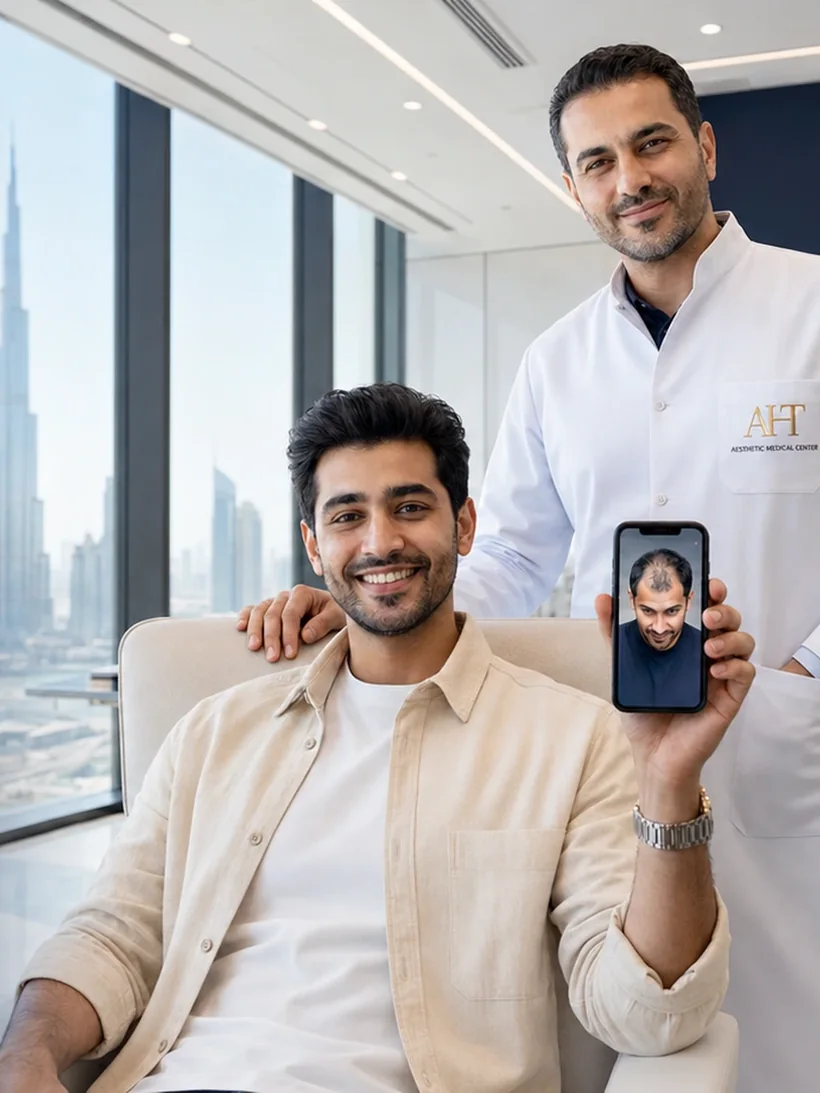
At A H T Aesthetic Medical Center, that kind of personalized guidance is central to how aesthetic care should feel – expert, reassuring, and built around outcomes that suit the individual rather than a one-size-fits-all treatment path.
Is liposuction the right next step?
If you are bothered by specific fat pockets despite maintaining a healthy lifestyle, liposuction may be a practical next step. It can sharpen contours, improve proportions, and help clothing fit more comfortably. For the right patient, that physical change often supports something deeper – greater ease, confidence, and satisfaction in your appearance.
The best place to start is not with a promise of perfection. It is with a careful consultation, clear expectations, and a treatment plan designed around your body, your goals, and your safety.